
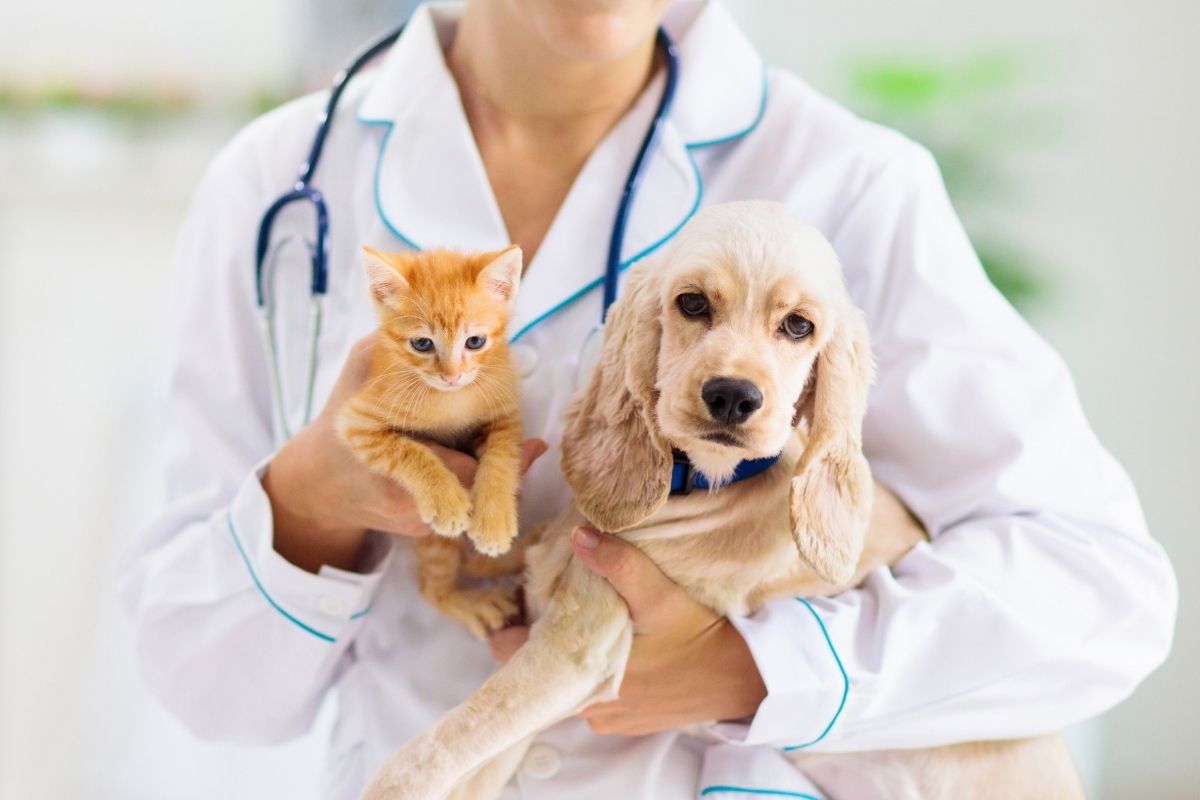
As a loving pet owner, you want your dog or cat to enjoy a long, healthy, and happy life. One of the best ways to support your pet’s well-being is through regular wellness exams and consistent preventative veterinary care. While many pet parents only think about visiting the vet when their pet appears sick, routine veterinary checkups play a critical role in detecting health issues early, often before symptoms become noticeable.
At Stevenson Village Veterinary Hospital in Baltimore, our team believes that proactive care is one of the most important investments you can make in your pet’s lifelong health. From vaccinations and parasite prevention to nutrition counseling and early disease detection, wellness visits help pets thrive through every stage of life.
What Is a Pet Wellness Exam?
A wellness exam is a routine veterinary visit focused on evaluating your pet’s overall health, preventing disease, and identifying potential medical concerns early. Unlike emergency visits or sick appointments, wellness exams are designed to keep your pet healthy before problems develop.
During a wellness exam, your veterinarian may:
- Perform a full physical examination
- Check your pet’s weight and body condition
- Examine the eyes, ears, teeth, skin, and coat
- Listen to the heart and lungs
- Discuss nutrition and lifestyle habits
- Review vaccination needs
- Recommend parasite prevention
- Conduct diagnostic testing if needed
- Answer questions about behavior or mobility
According to Stevenson Village Veterinary Hospital, routine wellness exams are essential for helping pets maintain optimal health and vitality throughout their lives.
How Often Should Puppies and Kittens Have Wellness Exams?
Young pets require frequent veterinary visits during their first year because their immune systems are still developing. Puppies and kittens grow rapidly, and they need scheduled vaccines, deworming, nutritional guidance, and developmental monitoring.
Recommended Schedule for Puppies and Kittens
Most puppies and kittens should visit the veterinarian every few weeks until approximately 16 weeks of age. After completing their initial vaccination series, additional wellness visits may still be recommended during the first year depending on their health and lifestyle.
These early wellness visits help veterinarians:
- Monitor growth and development
- Detect congenital health conditions
- Establish vaccination schedules
- Prevent intestinal parasites
- Discuss spaying or neutering
- Provide behavioral guidance
- Build positive veterinary experiences
Early preventative veterinary care can significantly reduce the risk of serious illnesses later in life.
How Often Should Adult Dogs and Cats Have Wellness Exams?
For most healthy adult pets, veterinarians recommend a wellness exam at least once per year. Annual exams allow your veterinarian to establish a health baseline and monitor changes over time.
Even if your pet appears healthy, many diseases can develop silently. Conditions such as dental disease, obesity, arthritis, thyroid disorders, kidney disease, and heart disease may not show obvious symptoms during the early stages.
Routine wellness exams can help detect these issues before they become more serious and expensive to treat.
Annual Wellness Exams Typically Include:
- Physical examination
- Vaccine updates
- Heartworm testing
- Fecal testing
- Bloodwork recommendations
- Nutrition and weight management discussions
- Parasite prevention review
At Stevenson Village Veterinary Hospital, veterinarians emphasize that yearly wellness visits are a key part of maintaining long-term health and catching changes in your pet’s condition early.
Senior Pets Need More Frequent Wellness Exams
As pets age, their healthcare needs change. Senior dogs and cats are more likely to develop chronic conditions that benefit from close monitoring and early intervention.
Most veterinarians recommend wellness exams every six months for senior pets. Because pets age faster than humans, skipping veterinary visits can mean missing important health changes.
Common Conditions Seen in Senior Pets
- Arthritis
- Kidney disease
- Diabetes
- Dental disease
- Heart disease
- Cancer
- Cognitive decline
- Thyroid disorders
More frequent wellness visits allow your veterinarian to:
- Monitor mobility and pain levels
- Track weight changes
- Evaluate organ function
- Adjust medications
- Recommend dietary changes
- Improve comfort and quality of life
At Stevenson Village Veterinary Hospital, senior pet care focuses on maintaining comfort, mobility, and overall wellness through age-appropriate veterinary services.
Why Preventative Veterinary Care Matters
Preventative veterinary care is about more than vaccines. It involves a complete approach to your pet’s health that helps reduce the risk of illness and improve quality of life.
Routine wellness exams give veterinarians the opportunity to identify subtle changes that pet owners may not notice at home. Early diagnosis often leads to better treatment outcomes and lower healthcare costs over time.
Benefits of Preventative Veterinary Care
Early Disease Detection
Many illnesses progress quietly in their early stages. Routine exams and diagnostic testing can uncover hidden health concerns before symptoms worsen.
Better Parasite Protection
Parasites such as fleas, ticks, heartworms, and intestinal worms can cause serious health complications. Preventative medications and annual screenings help keep your pet protected year-round.
Improved Dental Health
Dental disease is extremely common in dogs and cats. Regular exams allow veterinarians to identify oral health problems early and recommend appropriate treatment.
Longer, Healthier Lives
Pets that receive consistent wellness care often enjoy improved longevity and better overall quality of life.
Cost Savings Over Time
Preventing disease is often far less expensive than treating advanced medical conditions or emergency illnesses.
Signs Your Pet May Need a Wellness Exam Sooner
Even if your pet recently had a checkup, you should schedule a veterinary visit if you notice unusual symptoms or behavioral changes.
Watch for Signs Such As:
- Changes in appetite
- Weight loss or gain
- Increased thirst
- Vomiting or diarrhea
- Lethargy
- Limping or stiffness
- Bad breath
- Skin irritation
- Excessive scratching
- Behavioral changes
- Difficulty breathing
Prompt veterinary attention can help prevent minor issues from becoming serious health problems.
Why Baltimore Pet Owners Choose Stevenson Village Veterinary Hospital
Pet owners throughout Baltimore choose Stevenson Village Veterinary Hospital because of the hospital’s compassionate approach, experienced veterinary team, and strong focus on preventative veterinary care.
Since 1996, the practice has provided comprehensive wellness and acute care services for cats and dogs in the Baltimore community.
What Makes Their Wellness Program Stand Out?
Comprehensive Preventative Care
The hospital offers wellness exams, vaccinations, parasite prevention, diagnostic testing, nutrition counseling, dental care, and more – all designed to support lifelong health.
Wellness Plans for Every Life Stage
Stevenson Village Veterinary Hospital offers customizable wellness plans for puppies, kittens, adult pets, and senior pets. These plans help make routine veterinary care more affordable through convenient monthly payments.
Experienced Veterinary Team
Their veterinarians focus on proactive, evidence-based care while building lasting relationships with pets and their families.
Personalized Care
Every pet receives individualized recommendations based on age, breed, lifestyle, and medical history.
Compassionate Environment
The hospital strives to create a welcoming, low-stress experience for both pets and pet owners.
Many pet owners in Baltimore value veterinary practices that prioritize communication, transparency, and preventative care when choosing long-term care providers for their pets. Community discussions frequently highlight the importance of compassionate service, modern treatment approaches, and proactive wellness care.
Wellness Plans Can Help Simplify Routine Care
Many pet owners delay veterinary visits because of concerns about cost. Wellness plans can help make preventative veterinary care more manageable by spreading routine healthcare expenses across monthly payments.
According to Stevenson Village Veterinary Hospital, their wellness plans include benefits such as:
- Unlimited office exams
- Vaccinations
- Wellness bloodwork
- Parasite screening
- Preventative medications
- Customized add-on options
These plans are designed to encourage consistent care while helping pet owners stay on top of their pet’s health needs.
Give Your Pet the Preventative Care They Deserve
Routine wellness exams are one of the most effective ways to protect your dog or cat’s long-term health. Whether you have a playful puppy, an energetic adult cat, or a senior pet needing extra support, regular veterinary visits help ensure they receive the care they need at every stage of life.
If your pet is due for a checkup, now is the perfect time to prioritize their health. Book an appointment with our animal hospital and let the compassionate team at Stevenson Village Veterinary Hospital help your pet stay happy, healthy, and thriving.
FAQs
1. How often should my dog have a wellness exam?
Ans: Most adult dogs should have a wellness exam once a year. Senior dogs or pets with chronic health conditions may benefit from exams every six months.
2. How often should cats visit the veterinarian?
Ans: Adult cats should typically have annual wellness exams, while senior cats often need more frequent monitoring to detect age-related conditions early.
3. What happens during a pet wellness exam?
Ans: A wellness exam usually includes a physical examination, weight check, vaccine review, parasite prevention discussion, and recommendations for diagnostic testing or nutrition.
4. Are wellness exams really necessary if my pet seems healthy?
Ans: Yes. Many medical conditions develop gradually and may not show visible symptoms until they become advanced. Wellness exams help detect problems early.
5. What is preventative veterinary care?
Ans: Preventative veterinary care focuses on preventing disease through routine exams, vaccinations, parasite prevention, dental care, nutrition management, and early diagnostics.
6. Why are senior pets seen more frequently?
Ans: Senior pets age faster and are more prone to chronic diseases such as arthritis, kidney disease, diabetes, and heart conditions. More frequent exams help monitor their health closely.