
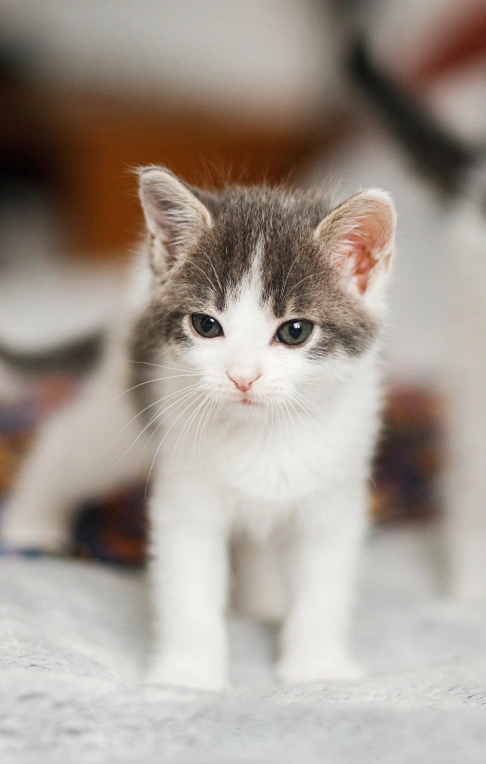
Attentive Care to Support Your Kitten’s First Year
Bringing home a new kitten is a special moment. It comes with excitement, curiosity, and a strong sense of responsibility. Kittens grow quickly, and the care you provide early on shapes their health, behavior, and comfort for years to come.
At Stevenson Village Veterinary Hospital, we focus on helping you give your kitten a strong, healthy start. From early checkups to nutrition guidance and behavior support, every step is designed to keep your kitten comfortable and thriving. If you are looking for reliable kitten care in Baltimore, our veterinary team is here to guide you through each stage with clarity and care.
In neighborhoods near Stevenson Village, many pet owners enjoy quiet walks through nearby parks or relaxing weekends at home. A healthy kitten makes those everyday moments even more meaningful, bringing energy and companionship into your routine.
Read More
How Early Care for Your Kitten Shapes Lifelong Health
The first months of your kitten’s life are critical. During this time, their immune system develops, their personality forms, and their body grows rapidly. Consistent care during this stage helps prevent health concerns and supports steady development.
Regular visits to the veterinarian allow us to monitor growth, identify early signs of concern, and guide you on feeding, litter training, and social behavior. Felines that receive early kitten care often adjust better to new environments and grow into calm, well-adjusted adult cats.
Providing proper care early also reduces the risk of future complications. Small concerns can be addressed before they become more serious, helping your kitten stay comfortable and active.
Why Starting Care Right Away Matters
Kittens are especially responsive during their early weeks, when they learn to interact with people, adjust to their surroundings, and build confidence.
Starting care right away helps your kitten:
- Feel secure in a new environment
- Build positive habits early
- Adapt to handling, grooming, and routine care
- Develop trust with both you and your veterinary team
Simple steps, such as gentle handling and short, consistent routines, can make a lasting difference. Early attention builds a strong bond and helps your kitten feel safe as they grow.
When Should You Schedule Your Kitten’s First Visit
Your kitten should be seen within the first few days of coming home, which helps confirm that your kitten is healthy and provides a clear plan for moving forward.
During this appointment, the vet reviews any available health history and discusses feeding routines, litter habits, and general care. It also gives you time to ask questions and feel confident about your kitten’s needs. At Stevenson Village Veterinary Hospital, we take the time to ensure every new kitten receives a calm, thorough introduction to care.
What to Expect During the First Kitten Exam
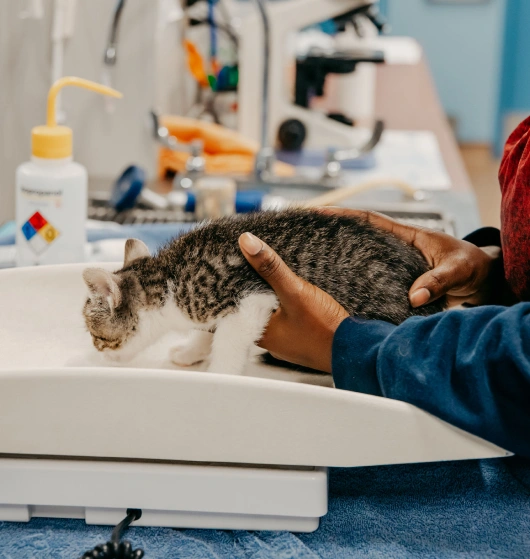
The first visit focuses on understanding your kitten’s overall health. Our team performs a detailed yet gentle evaluation to identify any early concerns, which includes:
- Checking the eyes, ears, and mouth
- Listening to the heart and breathing
- Observing movement and coordination
- Reviewing body condition and growth
We also discuss next steps for preventive kitten care and provide guidance that fits your feline’s lifestyle.
Common Health Concerns in Kittens
Kittens may develop a few common health concerns as they grow. Spotting these early helps you respond quickly and support a smoother recovery.
Digestive Upset
Changes in diet, feeding schedule, or environment can lead to temporary stomach issues in kittens. You may notice loose stools, mild vomiting, or reduced appetite. These signs are often short-term, but if they persist, a checkup can help identify the cause and restore comfort.
Skin Irritation
Kittens can develop skin irritation due to fleas, sensitivities, or environmental changes. Signs may include itching, redness, or small patches of hair loss. Keeping their coat clean and closely monitoring changes helps prevent discomfort and support healthier skin as your kitten grows.
Respiratory Concerns
Young kittens may experience mild respiratory issues, especially during early development. Sneezing, slight nasal discharge, or watery eyes are common signs. While often mild, these symptoms should be monitored closely. Prompt care helps prevent the condition from worsening and keeps your kitten breathing comfortably.
Parasites
Internal and external parasites can affect your kitten’s growth and energy levels. You may notice changes in appetite, coat condition, or overall behavior. Early detection and regular monitoring help prevent these issues from progressing, ensuring your kitten stays active, comfortable, and on a healthy path.
Ear Concerns
Kittens may develop ear buildup or irritation if their ears are not checked regularly. You might notice scratching, head shaking, or visible debris. Keeping ears clean and observing any changes helps prevent discomfort and supports better ear health as your kitten continues to grow.
Signs Your Kitten May Not Be Feeling Well
Kittens cannot tell you when something feels off, so it is important to watch for small changes in behavior or routine.
Common signs include:
- Low energy or unusual tiredness
- Changes in appetite
- Vomiting or loose stool
- Hiding more than usual
- Sudden changes in behavior
- Increased thirst
If you notice any of these signs, it is best to have your kitten checked promptly. Early attention can prevent more serious concerns.
What a Healthy Kitten Looks Like
A healthy kitten shows clear signs of comfort and steady growth. These signs indicate that your care routine is working well.
Look for:
- A soft, clean coat
- Bright, alert eyes
- Regular appetite and steady weight gain
- Playful and curious behavior
- Clean ears and nose
Kittens that feel well are active and engaged with their surroundings. Regular checkups help maintain these positive signs.
When to Begin Training and Socialization
Training begins as soon as your kitten arrives home. Simple routines help your kitten learn quickly and adjust with ease.
Start with:
- Litter box training
- Gentle handling
- Introducing scratching surfaces
- Encouraging calm play
Short, consistent interactions work best. Kittens learn through repetition and positive experiences. Socialization is equally important. Exposure to different sounds, people, and environments helps your kitten grow into a confident adult cat.
Supporting Your Kitten’s Daily Routine
Creating a consistent routine helps your kitten feel secure. Small, predictable habits make daily care easier for both you and your pet.
Focus on:
- Feeding at the same time each day
- Keeping the litter area clean
- Providing a quiet space for rest
- Offering safe toys for play and stimulation
In Baltimore homes, especially during colder months, indoor enrichment becomes even more important. Interactive toys and window perches can keep your kitten active and engaged throughout the day.
A Healthier Start Begins With the Right Care
Caring for a kitten involves more than just meeting basic needs. It requires attention, consistency, and guidance at every stage. At Stevenson Village Veterinary Hospital, we are committed to supporting you with clear advice and attentive care. If you are looking for dependable kitten care in Baltimore, our team is here to help your kitten grow into a healthy, confident companion. Contact us today to schedule your kitten’s visit and take the first step toward a lifetime of comfort and well-being.