
Many cat owners in Baltimore notice a worrying change during mealtime: their cat picks up food, drops it, walks away, or seems interested in eating but struggles to finish. While this behavior may seem like a simple feeding habit, it can sometimes indicate discomfort in the mouth.
At Stevenson Village Veterinary Hospital, we understand that changes in eating patterns can be stressful for pet owners. A cat that drops food may be experiencing tooth pain, gum inflammation, or another oral health concern that makes chewing uncomfortable. Proper dental care for your cat can help identify these issues early and support your cat’s long-term comfort and well-being. Understanding the possible causes of this behavior is an important first step toward improving your cat’s comfort.
Why Does My Cat Drop Food While Eating?
Cats often hide signs of pain, especially when dealing with dental issues. Unlike humans, they may continue to approach their food bowl even when eating becomes uncomfortable.
Dropping food can happen when a cat has difficulty gripping, chewing, or moving food around the mouth. Some cats may also chew differently, eat more slowly, or prefer softer foods because their teeth or gums hurt.
Common signs that may occur with dental discomfort include:
- Dropping kibble or food while chewing
- Chewing on one side of the mouth
- Avoiding hard food
- Pawing at the mouth
- Increased drooling
- Bad breath
- Reduced interest in meals
- Weight loss or changes in eating habits
These signs do not always indicate a dental problem. Other health conditions can also affect appetite and eating behavior, which is why a veterinary examination is important for identifying the underlying cause.
Common Feline Dental Problems That May Cause Food Dropping
Several oral health conditions can make eating uncomfortable for cats. Many of these problems develop slowly, making them difficult for owners to notice until behavior changes become obvious. Regular cat dental care can help detect early signs of oral discomfort and allow timely support before minor issues become more serious.
Periodontal Disease And Gum Inflammation
Plaque buildup can irritate the gums and lead to inflammation. Over time, untreated gum problems may affect the tissues that support the teeth. Cats with gum discomfort may avoid chewing normally because pressure on the teeth causes pain.
Tooth Resorption In Cats
Feline tooth resorption is a common dental condition where a cat’s tooth structure gradually breaks down. This process can be painful and may make chewing difficult. Cats with this condition may suddenly drop food, refuse certain textures, or show sensitivity around their mouths.
Broken Or Damaged Teeth
Cats can develop cracked, fractured, or damaged teeth due to injuries or other causes. A damaged tooth may cause discomfort when pressure is applied while chewing, leading a cat to stop eating or drop food.
Stomatitis And Oral Inflammation
Some cats develop severe inflammation affecting the gums and tissues inside the mouth. This condition can make eating painful and may cause drooling, reduced appetite, and changes in grooming habits.
How Veterinary Evaluation Helps Identify The Problem
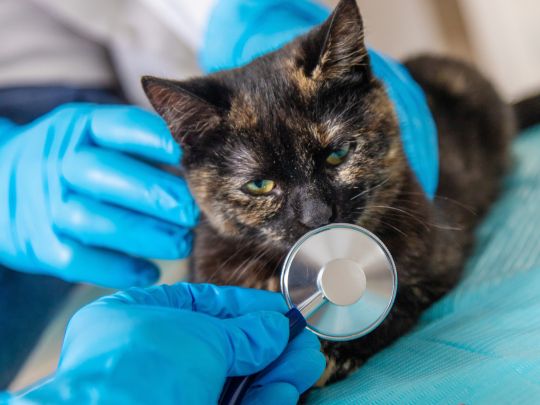
A cat’s mouth can be difficult for owners to examine at home. Cats may resist having their mouths handled, and some dental issues are not visible without a complete oral assessment.
During an examination, a veterinarian may look for signs of gum disease, damaged teeth, oral inflammation, or other concerns affecting eating behavior. In some cases, dental imaging may be recommended to identify problems below the gumline.
Dr. Feinberg focuses on helping pet owners understand changes in their cats’ health and the importance of addressing oral concerns early. Professional evaluation can help determine whether your cat needs monitoring, preventive care, or further treatment.
Regular cat dental care plays an important role in identifying dental concerns before they become more uncomfortable. Routine oral assessments allow veterinary teams to track changes and recommend appropriate steps based on each cat’s needs.
What Can Cat Owners Do To Support Better Oral Health?
Maintaining your cat’s oral health involves regular observation and preventive habits. Pet owners can watch for changes in eating behavior and discuss concerns during routine veterinary visits.
Helpful steps may include:
- Checking for changes in appetite or chewing habits
- Scheduling routine veterinary examinations
- Using veterinarian-approved dental products
- Introducing oral care slowly and safely
- Monitoring signs like bad breath or drooling
Professional cat dental services can help evaluate oral health concerns that may not be visible during a regular home check. Veterinary dental care may include cleaning, assessment, and treatment recommendations depending on the condition of your cat’s teeth and gums.
If your cat continues dropping food, refuses meals, or appears uncomfortable while eating, call our animal hospital now to discuss your concerns and determine the next appropriate step.
When Should You Schedule A Veterinary Visit?
A single dropped piece of food may not always indicate a serious concern. However, repeated changes in eating habits should not be ignored. Cats that avoid food, lose weight, show mouth sensitivity, or have noticeable oral changes may need a veterinary examination.
Prompt attention can help identify problems early and support your cat’s comfort. Delaying care may allow certain dental conditions to progress and become more difficult to manage.
Stevenson Village Veterinary Hospital provides evaluations and dental services for cats to help Baltimore pet owners address feline oral health concerns. If your cat is dropping food or showing signs of discomfort while eating, contact our hospital at +14104844041 to schedule a visit.
Frequently Asked Questions
1. Why does my cat drop food but still seem hungry?
Ans: A cat may drop food while still wanting to eat because chewing has become uncomfortable. Dental problems, mouth inflammation, or other health concerns can affect how a cat handles food.
2. Can dental problems make my cat stop eating?
Ans: Yes, dental discomfort may cause cats to eat less, avoid certain foods, or stop eating. Stevenson Village Veterinary Hospital recommends evaluating noticeable changes in eating habits to identify the possible cause.
3. How can I tell if my cat has a tooth problem?
Ans: Signs may include dropping food, bad breath, drooling, chewing differently, pawing at the mouth, or avoiding meals. A veterinary examination can help determine whether dental issues are involved.
4. How often should cats receive dental checkups?
Ans: Regular veterinary examinations allow oral health changes to be identified early. Stevenson Village Veterinary Hospital can help monitor your cat’s teeth and recommend appropriate care based on age and health needs.
5. Are dental problems common in older cats?
Ans: Older cats may be more likely to develop certain dental concerns, but cats of any age can experience oral problems. Routine evaluations can help detect issues before they become more noticeable.
6. What should I do if my cat suddenly refuses food?
Ans: A sudden refusal to eat can happen for several reasons, including dental discomfort and other medical concerns. Stevenson Village Veterinary Hospital encourages pet owners to seek veterinary guidance when appetite changes continue.