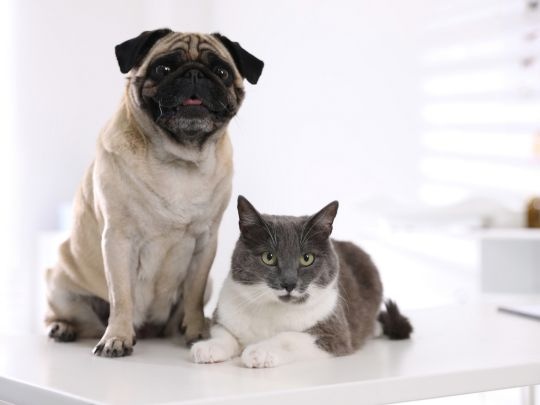
Your pet may be playful, energetic, and eating normally, yet hidden health changes can still be developing. Pets often do not show obvious signs when something is wrong. A regular veterinary exam gives your veterinarian an opportunity to assess your pet’s overall health and identify subtle changes before they become more difficult to manage.
Routine visits are not only for pets that appear unwell. They help establish a health baseline, monitor changes over time, and provide guidance based on your pet’s age, lifestyle, breed, and individual needs. According to the American Animal Hospital Association (AAHA), routine veterinary visits can help identify early disease signs and age-related changes, even when pets seem healthy at home.
For pet owners seeking reliable pet diagnostic care, understanding the value of regular exams can make an important difference in long-term health.
Why Healthy Pets Still Need Veterinary Exams
One of the biggest misconceptions among pet owners is that a healthy-looking pet does not need regular veterinary care. In reality, many health conditions develop gradually and may not produce noticeable symptoms in their early stages.
Pets can also naturally hide signs of pain or illness. During a routine exam, a veterinarian can identify subtle changes that may not be apparent during everyday interactions at home. AAHA notes that regular examinations help establish a baseline for a pet’s normal health and make it easier to recognize changes later.
Regular exams are especially valuable as pets age. Their nutritional needs, activity levels, body condition, and health risks can change over time. A consistent veterinary relationship allows these changes to be monitored and addressed appropriately.
What Does a Routine Veterinary Exam Include?
A routine veterinary exam is much more than simply checking whether your pet looks healthy. Your veterinarian typically performs a comprehensive physical assessment from nose to tail.
Physical Examination
The veterinarian may examine your pet’s:
- Eyes for inflammation, cloudiness, or other abnormalities
- Ears for irritation, infection, or changes
- Mouth and teeth for signs of dental disease
- Skin and coat for irritation, hair loss, or unusual changes
- Heart and lungs for abnormal sounds or rhythms
- Abdomen for pain, masses, or enlarged organs
- Joints and muscles for stiffness, discomfort, or mobility changes
- Neurological responses and behavior
These observations can provide valuable clues about your pet’s overall condition. AAHA explains that routine examinations can uncover problems involving the heart, joints, skin, eyes, ears, mouth, abdomen, and nervous system.
How Veterinary Diagnostic Testing Finds Hidden Problems
A physical examination provides important information, but some health changes cannot be identified through observation or palpation alone. This is where veterinary diagnostic testing can become valuable.
Depending on the pet, age, medical history, and findings during the examination, a veterinarian may recommend diagnostic testing such as blood work, urinalysis, fecal testing, or imaging.
Blood work can provide information about blood cell counts, hydration, and organ function. Urinalysis can offer additional insight into urinary and kidney health. These tests also create useful reference points that can be compared with future results.
AAHA notes that routine screening tests can help veterinarians track trends from year to year and identify subtle changes that may not be apparent during a physical examination.
This makes veterinary diagnostic care an important part of understanding what is happening inside your pet’s body, even when everything appears normal externally.
Regular Exams Help Track Changes as Pets Age
Pets experience physical changes throughout their lives. A young adult pet may need different monitoring than a senior dog or cat.
As pets grow older, veterinarians may recommend more frequent examinations or additional diagnostic testing based on individual needs. AAHA recommends routine veterinary care at least annually, while noting that senior pets and pets with ongoing health conditions may benefit from more frequent appointments.
Regular monitoring can help your veterinarian compare current findings with previous results. For example, gradual changes in body weight, kidney-related values, blood pressure, mobility, or other measurements may become more meaningful when viewed over time.
This ongoing approach helps create a clearer picture of your pet’s health rather than relying on a single visit.
Routine Exams Support Personalized Pet Care
Every pet is different. Two dogs of the same age may have very different lifestyles, body conditions, behaviors, and health risks.
During regular appointments, you can discuss changes you have noticed at home, including differences in appetite, drinking habits, activity, sleep, behavior, weight, or bathroom patterns. Even seemingly minor observations can provide useful information for your veterinarian.
Your veterinarian can then recommend appropriate monitoring, nutrition, exercise, dental care, diagnostic testing, or other services based on your pet’s individual needs.
For families looking for vets near you in Baltimore, choosing a veterinary team that knows your pet over time can make these conversations more productive. A familiar medical history also helps the veterinary team recognize changes more easily.
How Pet Owners Can Prepare for Regular Exams
You can make routine veterinary visits more useful by keeping track of changes you notice between appointments.
Consider making notes about:
- Changes in appetite or water consumption
- Weight gain or weight loss
- Changes in energy or activity
- New behavioral changes
- Digestive or bathroom changes
- Changes in sleeping patterns
- Skin, coat, ear, or eye concerns
- Changes in mobility
Bring these observations to your appointment. Your veterinarian can determine whether they are normal variations or signs that further evaluation may be appropriate.
Keeping previous laboratory results and medical records available can also help your veterinarian compare current findings with earlier information.
Protect Your Pet’s Health With Regular Veterinary Care
A healthy-looking pet is certainly something to celebrate, but regular veterinary exams remain an important part of responsible pet care. Routine examinations can uncover subtle changes, establish useful health baselines, and help veterinarians make informed recommendations as your pet grows and ages.
If you are concerned about your pet’s health or it has been some time since the last examination, schedule an appointment with our animal hospital so your pet can receive an appropriate evaluation. For families seeking dependable pet diagnostic care and veterinary support in Baltimore, Stevenson Village Veterinary Hospital can help you stay informed about your pet’s changing health needs.
Regular veterinary care is not simply about responding to visible problems. It is about understanding your pet’s health today and monitoring it over time.
FAQs
1. How often should a healthy pet have a veterinary exam?
Ans: Many healthy pets benefit from at least one routine veterinary examination each year. However, the ideal schedule depends on factors such as age, species, breed, lifestyle, and overall health. Senior pets or pets with ongoing health concerns may need more frequent visits.
2. Can a veterinarian find health problems when my pet has no symptoms?
Ans: Yes. Some conditions can develop without obvious signs at home. A physical examination and appropriate diagnostic testing may reveal subtle changes before they become noticeable to pet owners.
3. Why might my veterinarian recommend blood work for a healthy pet?
Ans: Blood work can provide information about internal health that cannot always be determined through a physical examination. It may also establish baseline values that can be compared with future results.
4. What should I tell my veterinarian during a routine exam?
Ans: Share any changes you have noticed in appetite, activity, behavior, weight, drinking, bathroom habits, sleep, or mobility. Small changes may help your veterinarian decide whether additional evaluation is appropriate.
5. Are routine exams important for senior pets?
Ans: Yes. Health needs can change as pets age, and senior pets may benefit from more frequent examinations and monitoring. Regular assessments can help veterinarians identify age-related changes and develop appropriate care plans.
6. What if my pet looks completely healthy?
Ans: A healthy appearance is encouraging, but it does not guarantee that every aspect of your pet’s health is normal. Regular veterinary exams provide an opportunity to establish health baselines, monitor changes, and discuss preventive and diagnostic care.