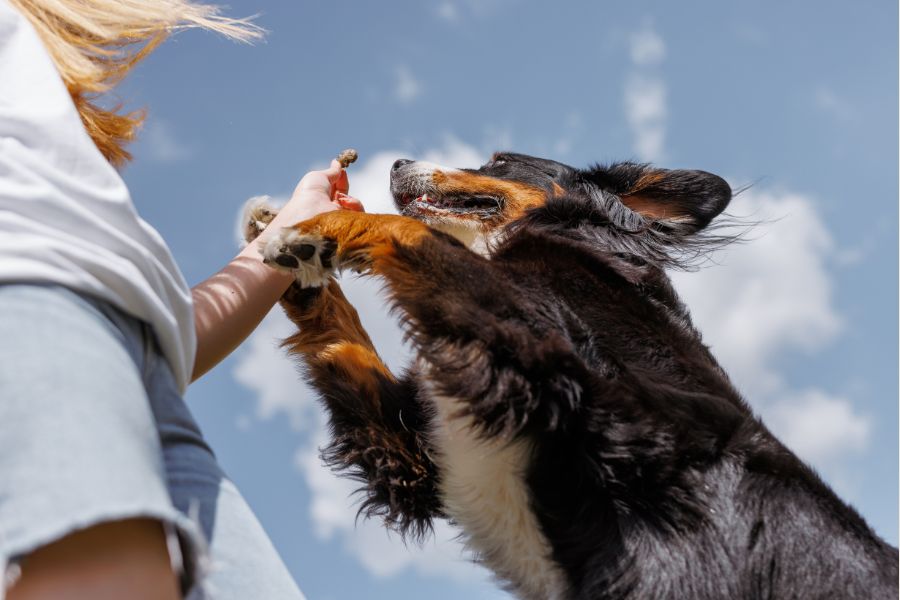
Dog behaviour shapes every part of life with a canine companion. This guide explains why common problems appear, how to respond with clear steps, and what long-term habits create calmer homes. You will learn practical ways to reduce barking, stop jumping, manage chewing, address fear, and prevent aggression through structure, patience, and positive guidance.
The article also covers daily routines, communication, and when professional help matters, with advice designed for real households. Families seeking dependable support in Baltimore, MD, can use these insights to build safer, happier relationships with their dogs.
Understanding why problems start
Most behavior challenges grow from unmet needs, unclear boundaries, or mixed signals. Dogs repeat actions that bring attention, relief, or rewards. A puppy that learns barking brings playtime, keeps barking. A rescue that guards food once may repeat it if it worked. Stress, boredom, lack of exercise, and inconsistent rules amplify small habits into loud problems.
Breed traits influence tendencies, yet environment shapes outcomes. High-energy dogs without outlets invent games. Sensitive dogs react to noise. Young dogs explore with their mouths. Adult dogs test limits. Owners who set a scheduled lifestyle, provide enrichment, and respond calmly give dogs a framework that feels safe.
Barking, jumping, and attention seeking
Excessive barking usually signals excitement, alertness, or frustration. Start by meeting core needs with daily walks, sniff time, and play. Teach a quiet cue by rewarding silence for two seconds, then five, then longer. Ignore demand barking. Reward calm check-ins.
Jumping greets people at face level. Replace it with a sit. Turn away from jumping. Ask visitors to wait for four paws on the floor. Praise and treat the sit. Consistency across every greeting matters.
Chewing and digging
Chewing relieves stress and supports teething. Offer legal chew options, rotate toys, and manage access to shoes and cushions. Use baby gates. For digging, provide a designated dig box or sandbox. Bury toys there. Increase exercise. Supervise yard time until habits shift.
Leash pulling and recall
Pulling works because it moves the dogs forward. Change the picture. Stop when the leash tightens. Move again when it slackens. Reward position near your knee. Short sessions teach faster.
Reliable recall saves lives. Begin indoors. Say the cue once, move backward, reward generously. Practice in fenced areas. Avoid calling for unpleasant tasks. Build value with games and treats.
Fear, reactivity, and aggression
Fear shows as freezing, tucked tails, lip licking, or growling. Respect early signs. Create distance from triggers. Pair sights or sounds with high-value treats at a level the dog can handle. Increase exposure slowly. For reactivity on walks, choose quiet routes and practice focus games.
Aggression rarely appears without warning. Pain, fear, resource guarding, or past trauma play roles. Safety comes first. Use leashes, barriers, and muzzles when advised. Seek a qualified trainer or behavior professional for structured plans. Midway through any plan, revisit goals and track progress so the dog’s behaviour improves with measurable steps.
Training that lasts
Clear cues, timing, and rewards build skills. Keep sessions short. End on success. Use food, toys, and praise. Fade treats after behaviors become habits. Teach place, settle, and leave it. These foundation skills prevent many issues before they grow.
Daily routines matter. Predictable meals, walks, rest, and play reduce anxiety. Mental work tires dogs as much as running. Scatter feeding, puzzle toys, and scent games enrich quiet days. Rest supports learning. Adult dogs need downtime.
Owner mindset
Stay patient. Avoid yelling. Dogs learn from consequences, not lectures. Mark desired actions the moment they happen. Redirect mistakes. Celebrate small wins. Progress shows in weeks, not days. Keep a simple log of triggers and successes. Patterns appear. Adjust plans.
Simple equipment helps: front-clip harnesses, long lines for recall practice, treat pouches for timing, and gates for management. Choose comfortable gear, check fit weekly, and replace worn toys to keep training sessions.
When to seek help
Call for help if bites occur, fear escalates, or progress stalls. Early support prevents setbacks. A professional can tailor exercises, spot stress signals, and coach timing. Choose methods based on reward and clarity. Ask for a written plan and homework.
Conclusion
Strong bonds grow from structure, kindness, and clear communication. Small daily choices guide lasting change. With patience, routines, and positive training, families see calmer walks, quieter homes, and safer interactions. Dog behaviour improves when owners stay consistent and proactive. If you are in Baltimore, MD, and looking for veterinary care, book an appointment with Stevenson Village Veterinary Hospital.
Frequently Asked Questions(FAQs):
1. Why does my dog bark at everything outside?
A: Many dogs treat windows as alarm panels. Block views with film, add white noise, and reward calm glances. Increase daily exercise. Teach a quiet cue. Address boredom. Consistency across the household reduces rehearsal and lowers baseline arousal.
2. How can I stop my dog from jumping on guests?
A: Practice sits at doors, leash greetings, and reward four paws on the floor. Ask guests to turn away from jumping. Use a tether for early sessions. Reinforce calm greetings with treats and praise until habits replace excitement.
3. Is chewing a sign of anxiety?
A: Chewing can reflect stress, teething, or curiosity. Provide durable chews, rotate toys, and increase enrichment. Manage access to tempting items. Watch for pacing or whining. If anxiety signs persist, consult a trainer for a plan.
4. What helps leash pulling on busy streets?
A: Start in quiet areas. Reward slack leash. Stop when tension appears. Change direction often. Use high-value treats near your knee. Short, frequent sessions beat long walks. Build focus with name games before adding distractions.
5. How long does it take to change behavior?
A: Simple habits may shift in two weeks. Fear or reactivity can take months. Progress depends on practice, timing, and environment. Track wins weekly. Stay consistent. Celebrate improvements, even small ones, to keep momentum.
6. Should I punish growling?
A: No. Growling warns of discomfort. Punishment removes warnings and raises bite risk. Create space, identify triggers, and reward calm alternatives. Work with a professional to teach coping skills and safe responses.