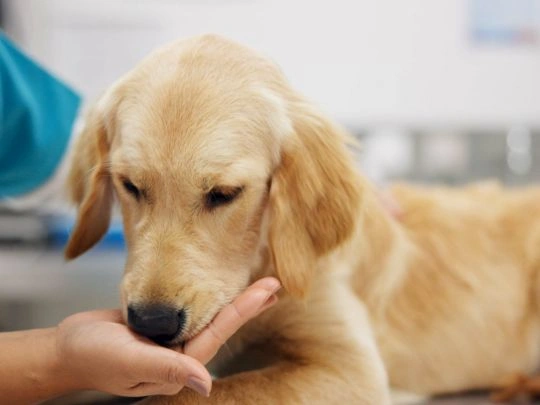
As a pet owner, you know your dog or cat better than anyone. You notice changes in their behavior, eating habits, energy levels, and personality. While some health concerns can wait for a routine visit, others require prompt medical attention to prevent discomfort and help your pet recover as quickly as possible.
Recognizing the warning signs early can make a significant difference in your pet’s health. If you’re searching for urgent vet care Baltimore, understanding when your pet needs prompt veterinary attention can help you make informed decisions. Below are ten common signs that indicate it’s time to seek urgent pet care.
Why Recognizing Health Concerns Early Matters
Pets cannot tell us when something feels wrong, so they rely on us to notice changes in their condition. Some illnesses and injuries may appear minor at first but can worsen if left untreated. Prompt veterinary care helps identify the underlying cause, relieve discomfort, and begin appropriate treatment before complications develop.
Whether your pet experiences a sudden illness or an unexpected injury, knowing what to watch for allows you to act quickly and confidently.
1. Difficulty Breathing
Breathing problems should never be ignored. If your pet is breathing rapidly, struggling to catch their breath, wheezing, or breathing with an open mouth (especially cats), they need immediate medical evaluation.
Difficulty breathing may be associated with several conditions, including respiratory infections, allergic reactions, heart disease, or airway obstruction. Any noticeable change in your pet’s breathing pattern deserves prompt veterinary attention.
2. Persistent Vomiting or Diarrhea
Occasional stomach upset is not uncommon, but repeated vomiting or diarrhea can quickly lead to dehydration and other health complications.
Watch for signs such as:
- Vomiting several times within a few hours
- Frequent diarrhea
- Blood in vomit or stool
- Refusing food or water
- Weakness or lethargy
If these symptoms continue or worsen, seeking urgent pet care is the safest choice.
3. Difficulty Standing or Walking
If your pet suddenly limps, refuses to bear weight on a leg, struggles to stand, or appears unusually stiff, it could indicate an injury affecting the muscles, joints, bones, or nerves.
Pain may not always be obvious. Some pets simply become less active or avoid climbing stairs, jumping, or walking. Early evaluation helps determine the cause and supports a quicker recovery.
4. Excessive Bleeding or Deep Wounds
Minor cuts often heal well with basic care, but continuous bleeding, puncture wounds, or deep lacerations require professional treatment.
Your veterinarian can properly clean the wound, control bleeding, reduce the risk of infection, and determine whether stitches or additional treatment are necessary.
5. Sudden Loss of Appetite
Most pets occasionally skip a meal, but refusing food for an extended period—especially when accompanied by vomiting, weakness, or behavioral changes—may indicate an underlying medical condition.
Loss of appetite can be linked to digestive issues, dental pain, infections, organ disease, or other illnesses that require prompt diagnosis.
6. Extreme Lethargy or Weakness
A pet that suddenly becomes unusually tired, unwilling to move, or uninterested in activities they normally enjoy should be examined by a veterinarian.
Signs of concerning lethargy include:
- Sleeping significantly more than usual
- Difficulty standing
- Lack of interest in food or water
- Reluctance to walk
- Little response to family members or surroundings
Because weakness can result from many different medical conditions, timely evaluation is essential.
7. Trouble Urinating or Defecating
Straining to urinate or defecate, frequent unsuccessful attempts, crying while eliminating, or producing very little urine are signs that should never be overlooked.
These symptoms may indicate urinary tract problems, bladder conditions, constipation, or other medical concerns that require prompt veterinary assessment.
8. Swelling of the Face or Body
Unexpected swelling around the face, eyes, mouth, or other parts of the body can develop rapidly.
Possible causes include insect bites, allergic reactions, infections, or trauma. Since swelling may continue to worsen over a short period, having your pet evaluated promptly is recommended.
9. Seizures or Loss of Balance
If your pet experiences shaking, muscle twitching, collapse, confusion, or difficulty maintaining balance, they should receive veterinary care as soon as possible.
Even if the episode lasts only a short time and your pet appears normal afterward, it is important to identify the underlying cause through a thorough examination.
10. Sudden Changes in Behavior
Behavioral changes are often one of the earliest indicators that something is wrong.
You may notice your pet:
- Hiding more than usual
- Becoming unusually aggressive
- Whining or vocalizing excessively
- Appearing restless
- Avoiding interaction with family members
- Showing signs of discomfort when touched
Because pets instinctively hide pain, even subtle behavioral changes should not be ignored.
Choosing Urgent Vet Care in Baltimore
When your pet develops a sudden illness or injury, timely veterinary evaluation provides peace of mind and helps ensure appropriate treatment begins as soon as possible.
If you’re looking for urgent vet care near you, choose a veterinary hospital that offers experienced medical professionals, advanced diagnostic capabilities, compassionate care, and clear communication throughout your pet’s visit.
Having a trusted veterinary team available means your pet can receive prompt attention without unnecessary delays.
Helping Your Pet Stay Healthy
Although unexpected health concerns can happen at any time, monitoring your pet’s daily habits can help you recognize problems earlier.
Pay attention to changes in:
- Appetite and water intake
- Energy level
- Breathing
- Bathroom habits
- Mobility
- Skin and coat condition
- Behavior
The sooner these changes are identified, the sooner your veterinarian can determine the best course of action.
If you notice any of the signs discussed above, don’t wait for symptoms to worsen. Schedule for an appointment by calling (410) 484-4041.
Compassionate Veterinary Care When Your Pet Needs It Most
When your pet isn’t feeling their best, having a dependable veterinary team can make all the difference. Stevenson Village Veterinary Hospital is committed to providing compassionate, high-quality care for dogs and cats throughout Baltimore. Whether your pet has developed a sudden illness or experienced an unexpected injury, our experienced team is here to evaluate their condition, recommend appropriate treatment, and help them get back to feeling their best as quickly as possible.
Frequently Asked Questions
1. How do I know if my pet needs urgent veterinary care?
Ans: If your pet has difficulty breathing, persistent vomiting or diarrhea, trouble walking, excessive bleeding, seizures, sudden weakness, or significant behavioral changes, they should be evaluated by a veterinarian as soon as possible.
2. Can I monitor my pet at home before visiting a veterinarian?
Ans: Minor changes may improve with rest, but symptoms that become more severe, continue for several hours, or interfere with eating, drinking, breathing, or mobility should be evaluated promptly.
3. Why is sudden lethargy a concern?
Ans: Sudden lethargy may indicate pain, infection, dehydration, metabolic disorders, or other underlying health issues that require professional diagnosis and treatment.
4. Should I be concerned if my pet suddenly stops eating?
Ans: Yes. A prolonged loss of appetite can signal illness, dental problems, digestive disorders, or other medical conditions. Your veterinarian can determine the cause and recommend appropriate treatment.
5. What should I do if my pet suddenly begins limping?
Ans: Limit your pet’s activity and avoid allowing them to run or jump until they have been evaluated. Limping may result from sprains, fractures, joint problems, or soft tissue injuries.
6. Why is prompt veterinary care important?
Ans: Early evaluation helps identify medical conditions before they become more serious, allowing your veterinarian to begin treatment sooner and improve your pet’s comfort and recovery.