
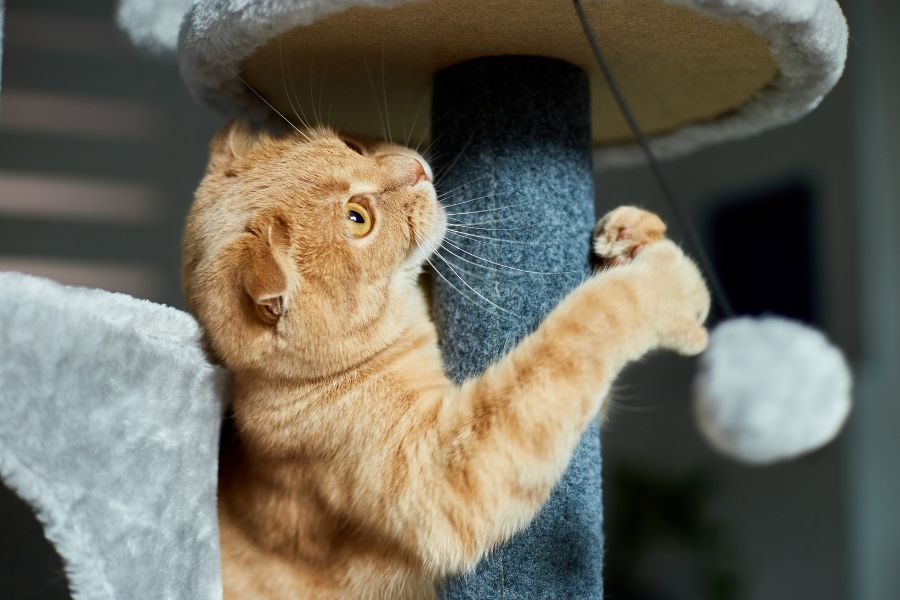
If you share your home with a cat, you’ve likely faced this problem: a shredded couch corner, claw marks on wooden legs, or a favorite chair turned into a scratching post. It can feel frustrating, especially when you want to protect your home while still giving your cat the freedom to behave naturally.
The good news is that scratching is not bad behavior. It’s normal, necessary, and manageable. With the right approach, you can guide your cat toward better habits without stress or punishment.
This guide walks you through why cats scratch furniture and offers clear, practical strategies on how to stop cats from scratching furniture in a way that works for both you and your pet.
Why Do Cats Scratch Furniture?
Before fixing the behavior, it helps to understand the reason behind it. Cats don’t scratch to annoy you. They scratch because they need to.
1. Claw Maintenance
Scratching removes the outer layer of a cat’s claws. This keeps them sharp and healthy.
2. Marking Territory
Cats have scent glands in their paws. When they scratch, they leave both a visible mark and a scent signal.
3. Stretching and Exercise
Scratching allows cats to stretch their muscles, especially in their shoulders and back.
4. Stress Relief
Cats often scratch more when they feel anxious or overstimulated. It acts as a calming behavior.
5. Habit and Preference
Cats develop preferences for certain textures like fabric, wood, or carpet. Furniture often checks all those boxes.
Understanding these reasons creates a clear and transparent path forward. You’re not stopping the behavior—you’re redirecting it.
How to Stop Cats from Scratching Furniture
Stopping this behavior requires consistency, patience, and a few smart changes at home. These strategies are simple but effective.
1. Provide Better Scratching Alternatives
If your cat prefers your couch, it means your furniture is more appealing than the current options.
What to do:
- Offer multiple scratching posts
- Choose different textures (sisal, cardboard, carpet)
- Ensure posts are tall and stable
Cats like to stretch fully when they scratch. A short or wobbly post won’t work.
Placement matters:
Place scratching posts:
- Near furniture, they already scratch
- Near sleeping areas
- In high-traffic zones
Make it easier for your cat to choose the right spot.
2. Make Furniture Less Appealing
You don’t need to remove your furniture. You just need to make it less attractive.
Try these options:
- Use double-sided tape on scratching areas
- Cover surfaces temporarily with foil or plastic
- Apply pet-safe deterrent sprays
Cats dislike sticky or unusual textures. Over time, they lose interest.
3. Reward Good Behavior
Cats respond better to positive reinforcement than punishment.
How to encourage good habits:
- Give treats when your cat uses a scratching post
- Offer praise or gentle petting
- Use toys to guide them toward the right area
Consistency builds habits. When your cat learns what works, they repeat it.
4. Trim Your Cat’s Nails Regularly
Shorter nails cause less damage and reduce the urge to scratch aggressively.
Tips:
- Trim every 2–3 weeks
- Use proper cat nail clippers
- Keep sessions calm and short
If you’re unsure how to trim safely, a veterinary team can guide you.
5. Use Nail Caps as a Temporary Solution
Soft nail caps can reduce damage while you train your cat.
- They are safe and painless
- They last for a few weeks
- They allow normal scratching behavior without destruction
This can be helpful during the transition period.
6. Create a Cat-Friendly Environment
Bored or stressed cats scratch more. Enrichment reduces unwanted behavior.
Add:
- Climbing trees or shelves
- Interactive toys
- Window perches
A mentally stimulated cat is less likely to target your furniture.
Common Mistakes to Avoid
Even with good intentions, some approaches can make the problem worse.
1. Punishment
Yelling or spraying water creates fear. It doesn’t teach your cat what to do instead.
2. Declawing
Declawing is not a simple nail removal. It involves removing part of the bone and can lead to pain and behavioral issues.
3. Inconsistent Training
If rules change daily, your cat gets confused. Stay consistent.
When Scratching Signals a Bigger Issue
Sometimes scratching increases suddenly. This may point to stress, anxiety, or health concerns.
Watch for signs like:
- Increased hiding
- Changes in eating habits
- Aggressive behavior
- Excessive grooming
In such cases, it’s worth seeking professional advice. If your cat’s behavior seems unusual or difficult to manage, visit our website to learn more about when veterinary care may be needed.
A Step-by-Step Plan You Can Follow
If you feel overwhelmed, start with a simple plan:
- Place a scratching post near damaged furniture
- Cover the furniture temporarily
- Reward your cat every time they use the post
- Trim nails regularly
- Add enrichment activities
Stick to this routine for a few weeks. Most cats adapt well when given clear choices.
How Long Does It Take to See Results?
Behavior change doesn’t happen overnight. Some cats adjust within days, while others take a few weeks.
Consistency matters more than speed. Stay patient and focus on small improvements.
Creating a Home That Works for Both of You
Your goal is not to control your cat. It’s to create an environment where natural behaviors fit into your home without causing damage.
Cats thrive on routine and comfort. When their needs are met, unwanted behaviors often fade on their own.
Conclusion: A Balanced Approach Works Best
Learning how to stop cats from scratching furniture comes down to understanding your cat and guiding their behavior in a clear, consistent way. Scratching is not something to eliminate—it’s something to redirect.
By offering better alternatives, making furniture less appealing, and rewarding good choices, you can protect your home without creating stress for your pet.
If scratching continues despite your efforts, it may point to underlying concerns. A veterinary team can help you identify the cause and create a plan that fits your cat’s needs. When you’re ready, take the next step and book an appointment to get personalized guidance and support.
Frequently Asked Questions(FAQs):
1. Why is my cat scratching furniture even with a scratching post?
A: Your cat may not like the texture, size, or location of the post. Try different materials and place them closer to the problem area.
2. How do I stop my kitten from scratching furniture?
A: Start early with training. Provide multiple scratching options and reward good behavior. Kittens learn quickly with consistency.
3. Are scratching sprays effective?
A: Yes, when used correctly. They help make furniture less appealing, but should be combined with proper alternatives.
4. Can I train an older cat to stop scratching furniture?
A: Yes. Older cats can learn new habits, though it may take more time and patience.
5. Is declawing a good solution?
A: No. Declawing can cause pain and long-term behavioral problems. It is not recommended.
6. How often should I trim my cat’s nails?
A: Every 2–3 weeks is ideal. Regular trimming reduces damage and supports healthy claws.