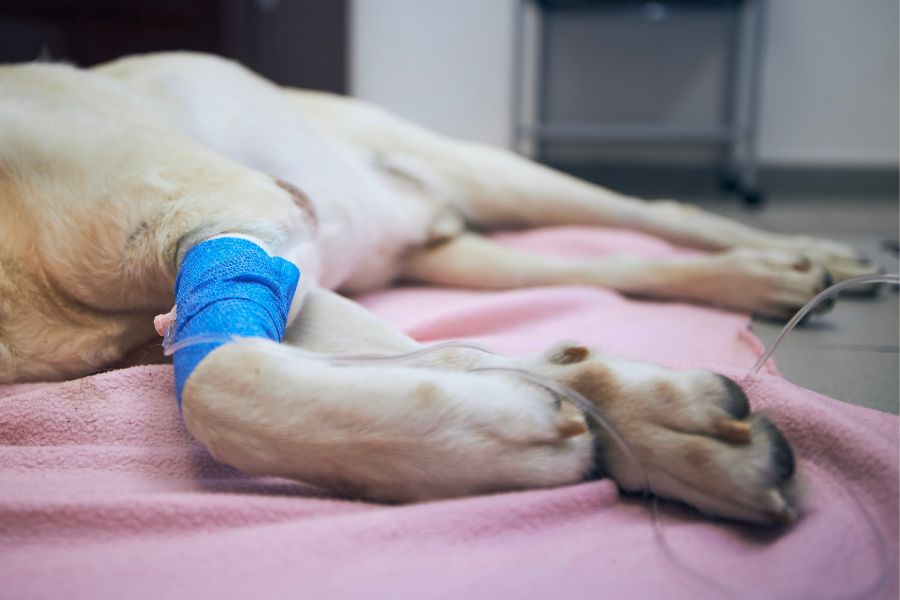
Cruciate Ligament Rupture can turn an energetic walk into a painful limp within days. This guide explains causes, signs, treatment paths, home support, costs, recovery timelines, and prevention, giving clear expectations for families who want informed choices. You will learn how injury happens, what care looks like from first visit to healing, and how daily habits protect joints long term.
Care plans vary by pet, size, age, and activity. Every step aims to restore comfort and movement while respecting your budget and goals. For local support, many families begin their journey in Baltimore, MD.
What Is a Cruciate Ligament Injury?
Inside the knee sits a strong band that keeps the joint steady during movement. When that band stretches or tears, the leg loses stability. Pets shift weight, muscles tighten, and swelling follows. Small tears cause on-and-off limping. Complete tears bring constant pain, reduced motion, and trouble rising.
Why Do These Injuries Happen?
Some pets twist during play. Others develop gradual wear from excess weight, poor muscle tone, or joint shape. Certain breeds carry a higher risk. Slippery floors, sudden turns, and repeated jumping raise strain. Age matters, yet young, active pets face risk through high-impact activity.
Common Signs at Home
Watch for limping that lasts more than a day, stiffness after rest, sitting with one leg out, reluctance to climb, or mood changes. Appetite may dip. Swelling around the knee appears in many cases. Some pets improve for a week, then worsen when the joint gives way again.
How Diagnosis Works
A hands-on exam checks joint looseness and pain. Simple imaging confirms swelling or bone changes. Advanced scans help complex cases. Results guide care choices. Clear communication keeps owners involved, from test selection to reading images and planning next steps.
Treatment Paths Explained
Mild strains respond to rest, pain control, and guided exercise. Tears in larger or active pets often benefit from surgery that stabilizes the knee and protects cartilage. Smaller or calmer pets may succeed with structured rehab alone.
The middle of care focuses on healing after Cruciate Ligament Rupture through tailored plans that combine movement control, weight management, and comfort support.
Surgical Options in Plain Terms
Procedures reshape the knee so forces move safely through the bone instead of the damaged band. Others use strong lines to mimic natural support. Choice depends on size, anatomy, and lifestyle. Each method aims for steady walking, reduced arthritis risk, and lasting strength.
Non-Surgical Care
For selected pets, recovery uses anti-inflammatory support, braces, laser or water therapy, and carefully staged walks. Consistency matters. Skipping steps delays progress. Families track improvements with weekly goals, adjusting activity as strength returns.
Recovery and What to Expect
Most pets start toe-touching within weeks. Full healing spans three to five months, with progress checks along the way. Controlled walks replace free running. Jumping stays off limits early. Mental enrichment keeps spirits high. Patience pays off when movement feels normal again.
Many families keep simple journals to note steps, appetite, and comfort during recovery. Owners often create quiet spaces, soft bedding, while keeping leashes short, doors gated, and motivating everyone through the healing days together.
Preventing Future Problems
Keep pets lean. Build muscle through steady, low-impact play. Use rugs on slick floors. Warm up before intense activity. Choose ramps for cars and couches. Schedule routine checks to catch early stiffness. Joint supplements help some pets, guided by your care team.
Costs and Planning
Fees vary by size, treatment choice, imaging needs, and rehab length. Ask for written estimates and staged options. Insurance or savings plans ease stress. Clear plans prevent surprises and keep care aligned with family priorities.
A Clear Path Forward
Every pet deserves comfort and confident movement. With early recognition, thoughtful choices, and steady home support, most return to happy routines. If you notice lasting limping, seek care soon. The best outcomes come from teamwork and realistic expectations.
Healing after Cruciate Ligament Rupture brings relief, strength, and renewed play when families stay engaged.
Conclusion
Your pet’s recovery reflects daily care, honest conversations, and a plan that fits real life with patience and gentle routines. Ask questions, request written goals, and celebrate small wins. Long-term joint health grows from balanced weight, safe activity, and routine checkups.
We are conveniently serving in Baltimore, MD, and welcome you to our location: 46 E Sudbrook Ln, Baltimore, MD 21208 — where compassionate care and community come together for your pet’s well-being. Schedule an appointment with Stevenson Village Veterinary Hospital.
Frequently Asked Questions(FAQs):
1. How long does recovery usually take?
A: Most pets show steady gains across twelve to sixteen weeks, with strength continuing to improve for months. Timelines vary by size, treatment, and home follow-through. Regular rechecks keep progress on track and catch setbacks early.
2. Can my pet heal without surgery?
A: Some smaller or low-activity pets do well with rehab, weight control, and pain support. Larger or athletic pets often regain better stability with surgery. Your provider reviews lifestyle, joint health, and goals before recommending a path.
3. Will my pet develop arthritis?
A: Joint changes can appear after injury. Early stabilization, controlled exercise, and lean body weight lower the risk. Ongoing conditioning and comfort plans help many pets stay active for years with playful routines and steady household support.
4. When can normal walks resume?
A: Short, leash-only walks start early, guided by your care plan. Distance increases in stages. Off-leash play waits until strength returns and your provider clears activity, protecting healing tissues and building confidence with every outing.
5. Is the other knee at risk?
A: Yes. Many pets place an extra load on the healthy leg during recovery. Conditioning, weight control, and safe movement reduce strain and help protect the second knee across seasons, surfaces, and changing activity levels.