
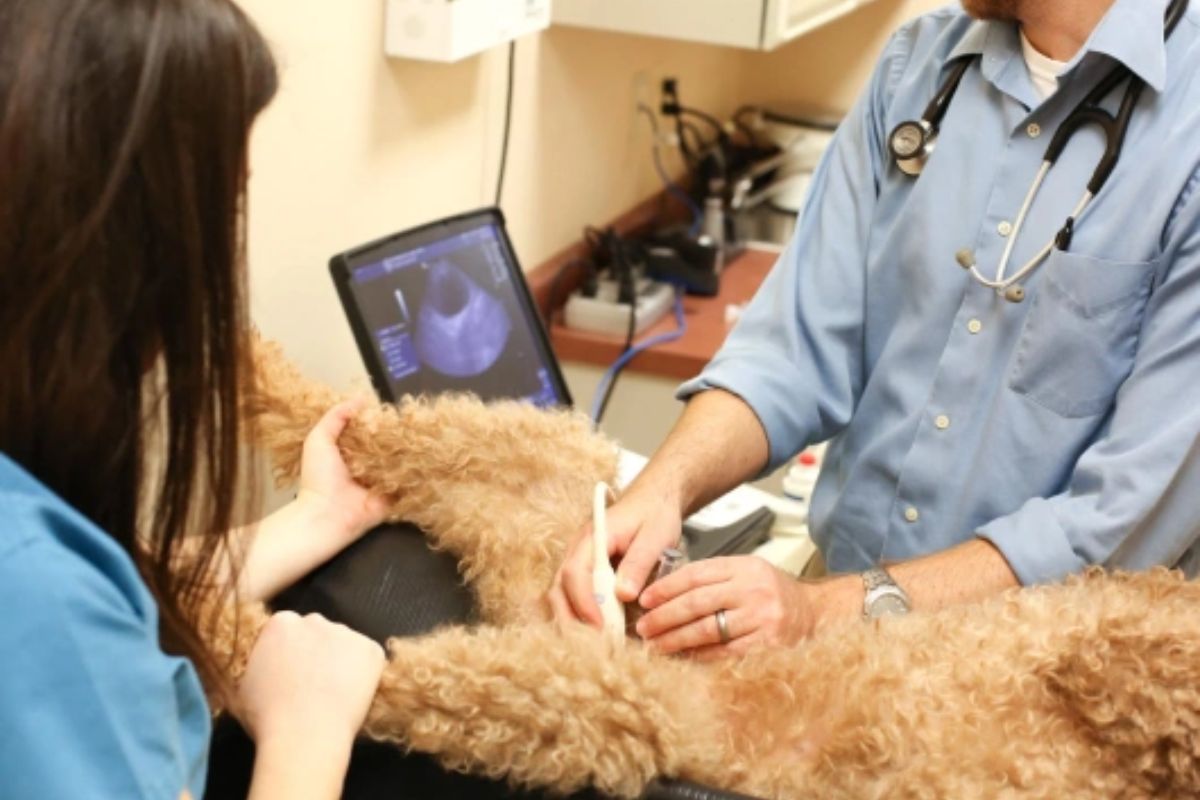
Routine diagnostic tests are a vital part of preventive care for pets. Just as humans benefit from regular check-ups and lab work, pets need consistent health monitoring to detect problems early, often before visible symptoms appear. Understanding what these tests are and how they help can empower you as a pet owner to make informed decisions for your animal companion’s health.
Why Are Diagnostic Tests Important for Pets?
Many diseases in pets, especially in the early stages, do not present obvious symptoms. Routine diagnostic testing helps veterinarians:
- Establish baseline health values
- Detect early signs of illness
- Monitor ongoing health conditions
- Assess organ function before procedures
- Guide treatment plans
Whether your pet is young and healthy or aging and managing a chronic condition, these tests offer critical insight into their internal health.
Common Routine Diagnostic Tests in Pets
1. Blood Work (CBC and Chemistry Panel)
A complete blood count (CBC) measures the levels of red blood cells, white blood cells, and platelets. This essential test can reveal issues such as infections, anemia, or immune system disorders. In addition, a blood chemistry panel provides insight into overall organ function, with a focus on liver and kidney health, while also monitoring electrolyte balance and glucose levels. These results are vital for identifying potential health concerns during routine checkups or visits to a Baltimore vet clinic.
- Dehydration
- Diabetes
- Liver or kidney disease
- Endocrine disorders like Cushing’s or Addison’s
Blood tests are commonly done during annual check-ups or before surgeries.
2. Urinalysis
Urinalysis evaluates the physical and chemical properties of your pet’s urine. It helps detect:
- Urinary tract infections
- Crystals or bladder stones
- Kidney disease
- Diabetes (through glucose presence in urine)
This test often complements blood work to give a more complete picture of kidney and urinary tract health.
3. Fecal Examination
Fecal exams identify intestinal parasites such as:
- Roundworms
- Hookworms
- Whipworms
- Giardia
- Coccidia
Many of these parasites are not visible to the naked eye and can affect your pet’s digestion and overall health. Routine fecal testing is especially important in puppies, kittens, and pets that spend time outdoors.
4. Heartworm Testing
For dogs, annual heartworm testing is essential, even if they are on preventive medication. The test checks for proteins from adult heartworms present in the blood. If undetected, heartworm disease can lead to severe lung and heart damage.
Cats can also contract heartworm, although testing is less common and more complex. Your veterinarian may recommend it based on regional risks.
5. Thyroid Function Tests
Thyroid testing is most commonly done in middle-aged or senior pets.
- Hypothyroidism is a condition that occurs more frequently in dogs, leading to symptoms such as tiredness, weight gain, and changes in their coat.
- Hyperthyroidism primarily affects older cats, causing weight loss, increased appetite, and hyperactivity.
These conditions can often be managed with medication once properly diagnosed.
6. Imaging: X-rays and Ultrasound
While not always routine, imaging tools like radiographs (X-rays) and ultrasound are commonly used to examine internal structures when abnormalities are suspected during physical exams or lab tests.
- X-rays help detect fractures, arthritis, tumors, or foreign bodies.
- Ultrasound offers detailed views of soft tissues like the heart, liver, kidneys, and intestines.
Your vet may suggest imaging if blood or urine results raise concerns.
When Should Pets Get Routine Diagnostic Tests?
Routine diagnostic testing is usually recommended:
- Annually for adult pets
- Every 6 months for senior pets
- Before anesthesia or surgery
- When introducing new medications
- If you start to see symptoms like vomiting, diarrhea, lethargy, or weight changes, it’s important to take note.
Puppies and kittens may also require initial diagnostic tests to rule out congenital issues or parasitic infections.
What to Expect During Testing
Most tests are minimally invasive. Blood and urine samples can usually be collected in a single vet visit. The pet owner may provide fecal samples. Some pets might need a little sedation for imaging if they’re feeling anxious or not cooperating.
Results for most routine tests are available within a few days, and your veterinarian will discuss any findings and next steps.
Routine diagnostic testing is a key part of your pet’s wellness plan, helping the pet diagnostic centre in Baltimore, MD, detect health issues early, often before symptoms appear or conditions worsen. Prioritizing regular check-ups gives your pet the best opportunity for a long, healthy life.