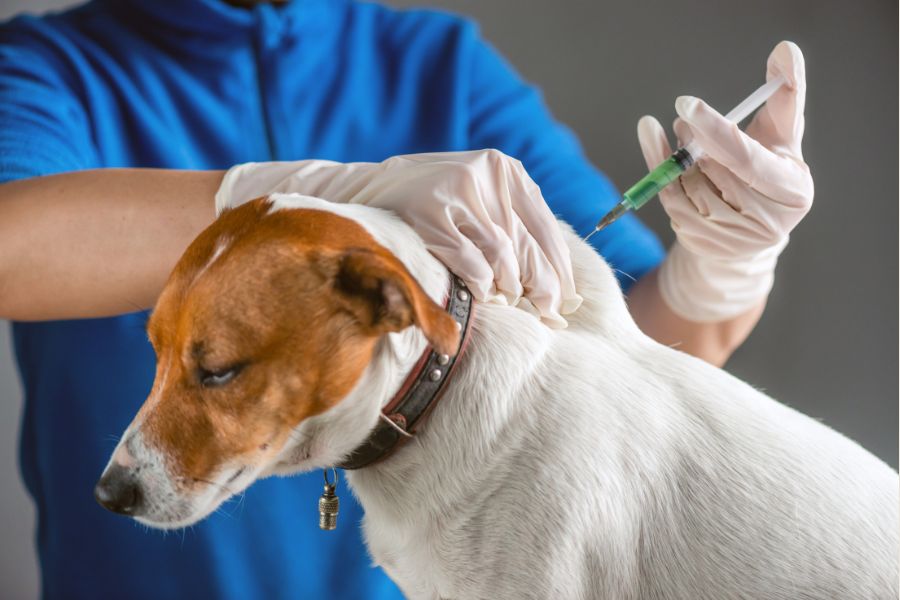
When you bring a dog into your home, you make a promise to protect them. Food, exercise, training, and love all matter. But one of the most important steps in protecting your dog’s future health often happens quietly during routine vet visits: vaccination.
Understanding core vaccines for dogs is not just about checking a box at the clinic. It is about preventing serious, life-threatening diseases that still exist in communities across the United States. In this guide, we’ll walk through what these vaccines are, why they matter, when they are given, and how they support your dog’s long-term health.
If you’ve ever wondered whether vaccines are really necessary or how often your dog needs them, this article will help you make an informed decision.
What Are Core Vaccines for Dogs?
Core vaccines for dogs are the vaccines that veterinarians recommend for every dog, regardless of breed, size, or lifestyle. These vaccines protect against diseases that are:
- Highly contagious
- Dangerous or fatal
- Common across the U.S.
- Transmissible to wildlife or, in some cases, humans
The main core vaccines for dogs include protection against:
- Rabies
- Distemper
- Parvovirus
- Adenovirus (canine hepatitis)
These diseases are not rare. They continue to appear in shelters, dog parks, boarding facilities, and even neighborhoods where vaccination rates drop.
Vaccination builds your dog’s immune defenses before exposure happens. It is much safer and more affordable to prevent disease than to treat it.
Why Core Vaccines for Dogs Matter So Much
Some pet owners ask, “If my dog stays most of the time, do vaccines still matter?” The answer is yes.
1. Protection Against Deadly Illness
Diseases like parvovirus and distemper can cause severe vomiting, diarrhea, dehydration, seizures, and even death. Treatment often requires hospitalization, IV fluids, isolation, and intensive care. Even with treatment, survival is not guaranteed.
Core vaccines for dogs help prevent these outcomes before they start.
2. Community Health Protection
Rabies is required by law in most U.S. states. It is a fatal disease that can spread to humans. Vaccinating your dog protects not only your pet but also your family and community.
When more dogs receive core vaccines for dogs, outbreaks are less likely to occur. This is called herd immunity, and it protects vulnerable pets such as puppies and senior dogs.
3. Long-Term Cost Savings
Preventive care is almost always less expensive than emergency treatment. A parvovirus hospitalization can cost thousands of dollars. Vaccination is a small fraction of that. When included as part of a complete pet preventive care plan, vaccines reduce the risk of sudden, costly medical crises.
A Closer Look at Each Core Vaccine
Understanding what each vaccine protects against can make the decision clearer.
1. Rabies Vaccine
Rabies attacks the nervous system and is almost always fatal once symptoms appear. It spreads through bites from infected animals such as raccoons, bats, foxes, and skunks.
Because rabies can infect humans, vaccination is required by law in most areas. Dogs typically receive their first rabies vaccine around 12–16 weeks of age, followed by boosters based on state regulations.
2. Distemper Vaccine
Canine distemper affects the respiratory, gastrointestinal, and nervous systems. It spreads through airborne exposure or contact with infected dogs.
Symptoms may include coughing, fever, nasal discharge, vomiting, diarrhea, and seizures. Even dogs that survive may suffer long-term neurological problems. Core vaccines for dogs include distemper protection because of how severe and contagious the disease is.
3. Parvovirus Vaccine
Parvovirus is highly contagious and spreads through contact with contaminated surfaces or feces. It can survive in the environment for months.
This virus attacks the intestines, causing severe diarrhea, vomiting, and dehydration. Puppies are especially vulnerable. Without treatment, parvo can be fatal within days.
Vaccination is the strongest defense.
4. Adenovirus (Canine Hepatitis) Vaccine
Canine adenovirus affects the liver and can cause fever, abdominal pain, bleeding disorders, and organ damage.
While less common than parvo, outbreaks still occur. Including adenovirus in core vaccines for dogs ensures broad protection.
When Should Dogs Receive Core Vaccines?
Timing matters.
1. Puppy Vaccination Schedule
Puppies receive a series of vaccinations starting at about 6–8 weeks of age. Boosters are given every 3–4 weeks until around 16 weeks old.
This schedule is important because maternal antibodies from the mother can interfere with early vaccines. The series ensures protection once those antibodies fade.
2. Adult Dog Boosters
After the initial puppy series, dogs receive booster shots. Many core vaccines for dogs are given every 1–3 years, depending on the vaccine type and local regulations.
Your veterinarian will create a schedule based on your dog’s age, health status, and lifestyle.
Are Core Vaccines Safe?
Safety is one of the most common concerns among dog owners.
Vaccines used in the U.S. go through strict testing for safety and effectiveness. Most dogs tolerate vaccines very well. Mild side effects may include:
- Temporary soreness at the injection site
- Mild fatigue
- Slight fever
Serious reactions are rare. When they do occur, they are usually treatable if addressed quickly. The risk of severe disease from skipping core vaccines for dogs is much higher than the risk of a serious vaccine reaction.
If your dog has had previous vaccine reactions, your veterinarian can adjust the schedule or monitor more closely.
What Happens If You Skip Core Vaccines?
Skipping vaccines increases risk in several ways:
- Higher chance of infection
- Risk of spreading disease to other dogs
- Limited access to boarding, grooming, or daycare facilities
- Legal issues related to rabies compliance
In many U.S. communities, proof of rabies vaccination is required for licensing your dog.
Choosing not to vaccinate can also create emotional strain if your dog becomes ill from a preventable disease.
Core vs. Non-Core Vaccines
It helps to understand the difference.
Core vaccines for dogs are recommended for every dog. Non-core vaccines depend on lifestyle and geographic risk.
Non-core vaccines may include protection against:
- Bordetella (kennel cough)
- Lyme disease
- Leptospirosis
- Canine influenza
Your veterinarian will assess your dog’s exposure risk. For example, dogs that hike in wooded areas may benefit from Lyme vaccination, while dogs in boarding facilities may need Bordetella.
Clear communication with your vet helps tailor protection without over-vaccinating.
How Vaccines Fit Into a Long-Term Health Plan
Vaccination is not a one-time event. It is part of a broader health strategy that includes:
- Annual wellness exams
- Parasite prevention
- Dental care
- Proper nutrition
- Weight management
Core vaccines for dogs work best when combined with regular health monitoring. Wellness visits allow your veterinarian to detect early changes in your dog’s condition.
Dogs age faster than humans. Annual checkups can catch problems early, when they are easier to manage.
Common Myths About Dog Vaccines
Let’s address a few common misunderstandings.
My dog never leaves the house.
Viruses can travel on shoes, clothing, and surfaces. Wildlife exposure can happen in backyards. Indoor dogs are not completely risk-free.
Natural immunity is better.
Natural infection often means severe illness. Vaccines allow the immune system to prepare without suffering from the disease.
Vaccines overwhelm the immune system.
Core vaccines for dogs are designed to stimulate, not overload, the immune system. Puppies encounter many germs daily. Vaccines represent a small and controlled exposure.
How to Prepare for Your Dog’s Vaccine Appointment
You can make the visit smoother by:
- Bringing previous medical records
- Sharing any health concerns
- Mentioning past vaccine reactions
- Monitoring your dog for 24 hours after vaccination
Most dogs return to normal behavior quickly.
If you notice swelling, vomiting, difficulty breathing, or extreme lethargy after vaccination, contact your veterinarian right away.
Making an Informed Decision
Vaccination decisions should be based on accurate information and open conversation. Core vaccines for dogs are recommended because the diseases they prevent are real, dangerous, and still present in the United States.
Choosing to vaccinate protects your dog during puppyhood, adulthood, and senior years. It reduces suffering, lowers emergency risks, and supports public health.
If you are unsure about your dog’s vaccination status, review their records and speak with a licensed veterinarian. Ask questions. Understand the schedule. Make decisions based on facts, not fear.
Conclusion: Protecting Your Dog Starts With Prevention
Core vaccines for dogs are one of the simplest and most effective tools for preventing serious disease. They protect against viruses that spread quickly and cause lasting harm. They support community safety. They save families from avoidable heartbreak.
Your dog depends on you to make informed health decisions. Staying current on vaccinations is a responsible step that supports long-term wellness.
If you have questions about your dog’s vaccine schedule or need updated protection, talk with your local veterinarian and schedule a consultation with Stevenson Village Veterinary Hospital to review your dog’s health plan. Prevention today builds a healthier tomorrow for your companion.
Frequently Asked Questions(FAQs):
1. How often do dogs need core vaccines?
A: Most adult dogs receive boosters every 1–3 years, depending on the vaccine and state laws. Your vet will guide the schedule.
2. Are core vaccines required by law?
A: Rabies vaccination is required by law in most U.S. states. Other core vaccines are strongly recommended for health protection.
3. Can older dogs receive core vaccines?
A: Yes. Senior dogs still need protection. Your veterinarian may adjust timing based on overall health.
4. What if I don’t know my dog’s vaccine history?
Your veterinarian may recommend restarting certain core vaccines for dogs to ensure proper protection.
5. Do small breeds need different vaccines than large breeds?
A: No. Core vaccines for dogs are recommended for all breeds.
6. Can vaccines be given during illness?
A: Mild illness may not delay vaccination, but moderate to severe illness usually does. Your vet will evaluate before administering any vaccine.