Have you ever noticed your dog gently nibbling your hand, clothing, or another pet and wondered why? This behavior can look unusual, but gentle nibbling is often a normal part of canine communication, grooming, play, or self-soothing. Still, not every type of nibbling means the same thing.
Understanding why dogs nibble can help you recognize harmless habits while noticing signs that may require professional attention. Your dog’s age, personality, environment, and body language all provide important clues. Some dogs nibble because they are playful or affectionate, while others may nibble because they feel itchy, anxious, bored, or uncomfortable.
For pet owners, knowing the difference can make it easier to respond appropriately and support a dog’s overall well-being.
Why Do Dogs Nibble?
Dogs use their mouths to explore and interact with the world. Unlike humans, they rely heavily on their mouths and noses to investigate objects, communicate, and interact socially. Gentle nibbling can therefore have several explanations.
Nibbling as a Form of Affection
Some dogs gently nibble their owners as part of social bonding. You may notice small, repetitive movements with the front teeth when your dog is relaxed and close to you.
This behavior may be similar to grooming between animals. Your dog may be showing comfort and trust rather than trying to hurt you.
If the nibbling is gentle, does not damage the skin, and occurs when your dog is calm, it may simply be a social behavior.
Nibbling During Play
Dogs often use their mouths while playing. Puppies especially explore toys, hands, clothing, and other objects with their mouths.
Playful nibbling may be accompanied by a relaxed body, wagging tail, bouncing movements, or an invitation to continue playing. However, dogs still need to learn appropriate boundaries.
If your dog regularly nibbles hands during play, redirect the behavior toward an appropriate chew toy. Avoid encouraging rough hand play, because a behavior that seems cute in a young dog can become uncomfortable as the dog grows.
Nibbling as Exploration
Dogs investigate unfamiliar objects through smell and taste. A dog may gently nibble a blanket, toy, piece of clothing, or another safe object simply because it is interesting.
This is especially common in puppies and younger dogs. Providing safe, appropriate chew toys can give them an acceptable outlet for this natural behavior.
When Is Dog Nibbling Considered Normal?
Not every instance of nibbling should cause concern. In many situations, occasional gentle nibbling is harmless.
Look at the circumstances surrounding the behavior rather than focusing only on the nibbling itself.
Normal nibbling may:
- Be gentle and controlled
- Happen occasionally
- Occur during relaxed social interaction
- Stop when your dog becomes distracted
- Cause no injury
- Occur without signs of fear, aggression, or distress
- Be directed toward toys or other appropriate objects
Your dog’s overall body language matters. Relaxed facial muscles, a loose body, normal posture, and comfortable interaction generally suggest that the behavior is not threatening.
However, sudden or persistent changes deserve closer attention.
When Should Pet Owners Be Concerned About Nibbling?
A sudden increase in nibbling can sometimes indicate an underlying problem. Dogs may focus on their skin, paws, legs, tail, or other body areas when something is irritating or uncomfortable.
Excessive Skin Nibbling
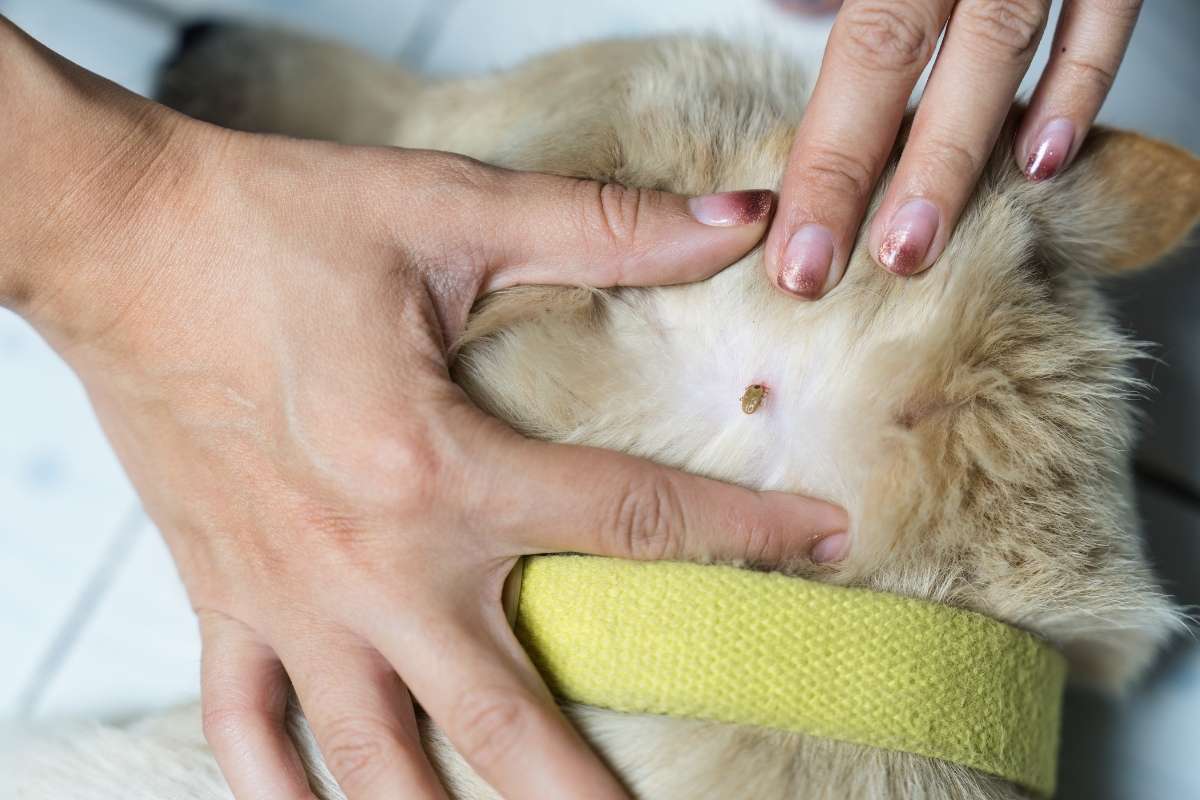
Repeated nibbling at one particular area may occur with skin irritation, allergies, parasites, wounds, or other dermatological problems. You may also notice redness, hair loss, scabs, odor, or excessive licking.
If your dog repeatedly targets the same area, examine the skin carefully without irritating it further. Persistent nibbling should be discussed with a veterinarian.
Nibbling Because of Pain or Discomfort
Dogs do not always show pain in obvious ways. Some may lick, chew, or nibble an area that feels uncomfortable.
Watch for other changes, including reduced activity, reluctance to move, changes in appetite, hiding, restlessness, or sensitivity when touched.
A professional evaluation can help determine whether the behavior is related to discomfort.
Nibbling Related to Anxiety or Stress
Some dogs nibble or chew when they feel stressed. Changes in the household, unfamiliar environments, separation, loud noises, or other stressful situations may trigger repetitive behaviors.
Stress-related nibbling can become a habit if the underlying trigger is not addressed. Your veterinarian can help determine whether behavioral support or additional evaluation may be appropriate.
Why Do Dogs Nibble Their Paws?
Paw nibbling deserves special attention because repeated chewing can damage the skin.
A dog may nibble its paws because of environmental irritation, allergies, a minor injury, foreign material, or other sources of discomfort. Some dogs may also develop repetitive paw chewing because of boredom or anxiety.
Check your dog’s paws regularly for:
- Redness or swelling
- Cracked pads
- Cuts or abrasions
- Broken nails
- Foreign objects
- Moisture or unusual odor
- Excessive hair staining around the toes
Do not assume that persistent paw nibbling is simply a bad habit. If your dog continues chewing despite redirection, professional guidance can help identify the underlying cause.
How Can You Stop Inappropriate Dog Nibbling?
The right response depends on why your dog is nibbling. Punishment is generally not the best approach because it may increase fear or confusion.
Redirect the Behavior
When your dog begins nibbling your hands or clothing, calmly redirect attention to a suitable toy. Reward your dog when they engage with the appropriate object.
Consistency helps your dog understand what is acceptable.
Provide Appropriate Mental Stimulation
Boredom can contribute to unwanted chewing and repetitive behaviors. Age-appropriate walks, training sessions, puzzle toys, scent games, and interactive play can provide mental stimulation.
A dog with appropriate outlets for natural behaviors may be less likely to seek entertainment through unwanted nibbling.
Avoid Encouraging Hand Nibbling
It can be tempting to let a puppy nibble your fingers because the behavior seems harmless. However, establishing boundaries early makes it easier for your dog to develop appropriate interaction habits.
Instead, use toys during play and reward calm behavior.
Observe the Pattern
Pay attention to when the nibbling occurs. Does it happen after exercise, during play, when your dog is alone, after eating, or when you touch a specific area?
Keeping track of patterns can provide useful information for your veterinarian and help identify possible triggers.
When Should You Consult a Baltimore Veterinarian?
Occasional gentle nibbling may not require medical attention. However, professional evaluation is appropriate when the behavior is persistent, intense, or accompanied by other changes.
Consider consulting a veterinarian if your dog:
- Suddenly begins nibbling frequently
- Constantly chews one area of the body
- Develops redness, sores, swelling, or hair loss
- Seems painful when touched
- Shows changes in appetite or energy
- Becomes unusually restless or withdrawn
- Nibbles until the skin becomes damaged
- Shows significant behavioral changes
A veterinarian can assess your dog’s physical health and determine whether the behavior may be connected to a medical, environmental, or behavioral concern.
Pet owners searching for veterinarians in Baltimore should look for a veterinary team that takes time to understand both the physical symptoms and the behavior surrounding them. A thorough examination can be especially helpful when nibbling appears suddenly or becomes repetitive.
How Baltimore Vets Can Help Identify the Cause
When you visit a veterinary professional, be prepared to describe when the nibbling started, how often it occurs, and which areas your dog targets.
Your veterinarian may examine your dog’s skin, paws, mouth, joints, or other relevant areas based on the behavior. Additional diagnostic testing may be recommended when the physical examination suggests an underlying problem.
For pet owners searching for an animal hospital near you, choosing a practice that offers comprehensive veterinary services can make it easier to address concerns as they arise. Stevenson Village Veterinary Hospital provides wellness and acute care for dogs and cats in Baltimore, with services that include diagnostic care and other general veterinary services.
It is also helpful to bring photos or short videos of the nibbling behavior when possible. Dogs may behave differently during an examination, so recordings can give your veterinarian additional context.
Helping Your Dog Develop Healthy Habits
The goal is not necessarily to eliminate every type of nibbling. Instead, focus on understanding what the behavior communicates.
Gentle social nibbling may be harmless, while persistent chewing of the skin can signal irritation or discomfort. Likewise, occasional playful mouthing is different from behavior that causes injury.
Give your dog appropriate toys, regular mental stimulation, consistent boundaries, and positive reinforcement. Monitor changes in behavior and pay attention to your dog’s overall health.
If you notice a new or persistent concern, schedule for an appointment with a veterinary professional rather than trying to diagnose the cause yourself.
Conclusion
Dog nibbling can be a normal behavior, especially when it happens gently during affection, play, grooming, or exploration. The key is understanding the context and watching for changes. Persistent nibbling, especially when directed at the skin or paws, may indicate irritation, pain, anxiety, or another underlying concern.
Knowing your dog’s normal habits makes it easier to recognize when something has changed. For families looking for Baltimore vets, Stevenson Village Veterinary Hospital offers compassionate veterinary care for dogs and cats and has served the Baltimore community since 1996. A professional evaluation can help identify the cause of concerning nibbling and support your dog’s comfort and long-term well-being.
Frequently Asked Questions
1. Is it normal for dogs to nibble their owners?
Ans: Gentle nibbling can be normal and may be associated with affection, social grooming, play, or exploration. However, the behavior should remain controlled and should not cause injury.
2. Why does my dog nibble my clothes?
Ans: Dogs may nibble clothing because of curiosity, play, attention-seeking, or boredom. Redirecting your dog toward an appropriate toy can help prevent clothing from becoming a preferred chewing target.
3. Why is my dog constantly nibbling its paws?
Ans: Frequent paw nibbling may be associated with irritation, allergies, injury, foreign material, or behavioral factors. Persistent chewing should be evaluated by a veterinarian, particularly if the paws are red, swollen, or damaged.
4. Should I stop my puppy from nibbling my hands?
Ans: It is best to redirect puppy mouthing toward appropriate toys. Avoid encouraging hand nibbling during play so your puppy can learn appropriate boundaries as they mature.
5. Can anxiety cause a dog to nibble or chew itself?
Ans: Yes. Some dogs develop repetitive chewing or nibbling behaviors during periods of stress or anxiety. However, medical causes should also be considered, especially when the behavior is new or persistent.
6. When should I take my dog to a veterinarian for nibbling?
Ans: Seek veterinary advice when nibbling becomes frequent, targets one area repeatedly, causes skin damage, or occurs alongside pain, redness, hair loss, behavioral changes, reduced appetite, or lower energy.