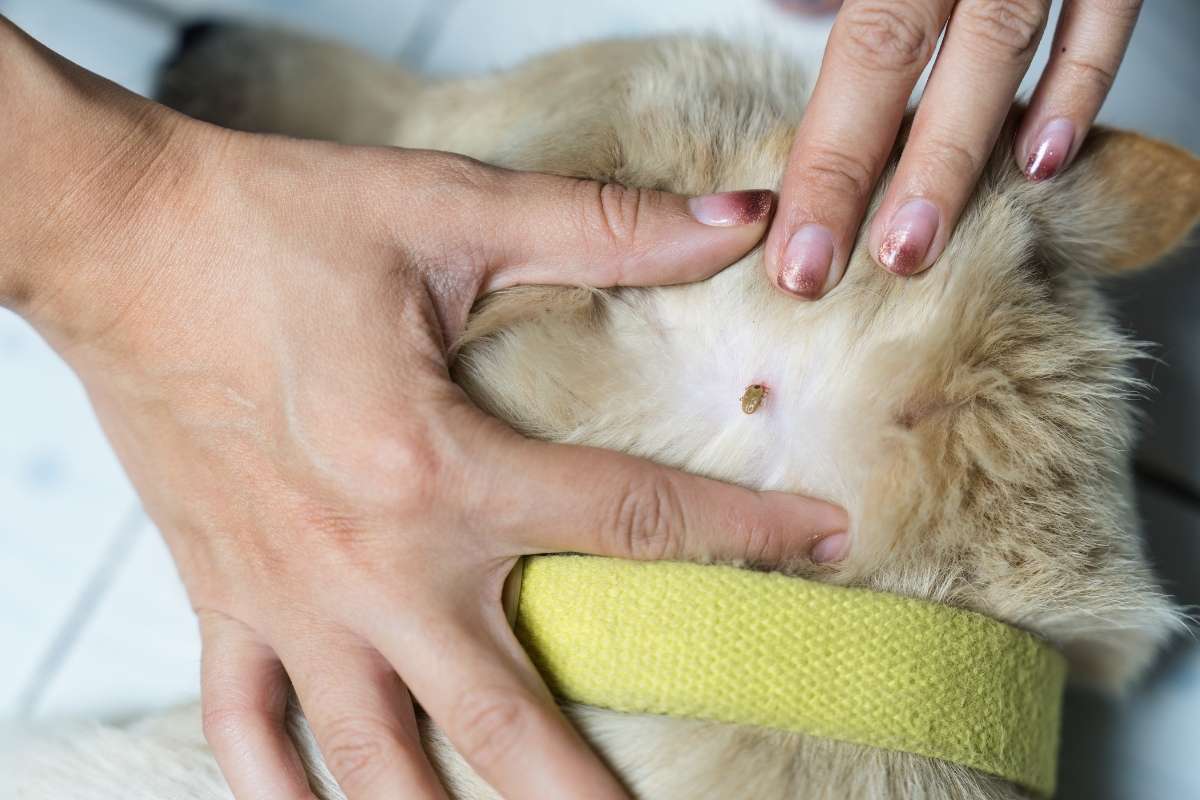
Warmer months in Baltimore and the surrounding area bring longer walks, outdoor playtime, and unfortunately, more insects. From mosquitoes and fleas to bees, wasps, and spiders, bug bites and stings can cause discomfort—and in some cases, serious health concerns—for pets. Knowing how to recognize symptoms and respond quickly can make all the difference in keeping your furry companion safe.
At Stevenson Village Veterinary Hospital, our veterinarian team frequently treats pets affected by insect bites and stings. Here’s what every pet owner should know.
Common Bug Bites and Stings in Pets
Pets are naturally curious, which makes them more likely to encounter insects. Some of the most common culprits include:
- Fleas and ticks: These parasites can cause itching, allergic reactions, and transmit diseases.
- Mosquitoes: Known carriers of heartworm disease, which can be life-threatening.
- Bees and wasps: Stings can cause localized pain or severe allergic reactions.
- Spiders and ants: Some species can deliver venomous bites that lead to swelling or infection.
Signs Your Pet Has Been Bitten or Stung
Not all bug bites are immediately obvious, so it’s important to watch for changes in your pet’s behavior or appearance. Common signs include:
- Excessive scratching, licking, or chewing at a specific area
- Redness, swelling, or visible bumps on the skin
- Whining, limping, or signs of discomfort
- Facial swelling, especially around the eyes or muzzle
- Hives or skin irritation
- Difficulty breathing (in severe allergic reactions)
If you notice any of these symptoms, your pet may need prompt attention from a veterinarian.
What to Do If Your Pet Is Bitten or Stung
1. Stay Calm and Assess the Situation
Start by gently examining your pet. Look for swelling, redness, or a visible stinger. If your pet is in pain, approach carefully to avoid being bitten.
2. Remove the Stinger (If Present)
If your pet has been stung by a bee, you may see a stinger embedded in the skin. Use a flat object like a credit card to gently scrape it out. Avoid squeezing it, as this can release more venom.
3. Clean the Area
Wash the affected area with mild soap and water to reduce the risk of infection.
4. Apply a Cold Compress
A cold compress can help reduce swelling and soothe discomfort. Apply it for 10–15 minutes at a time.
5. Monitor for Allergic Reactions
Mild reactions may resolve on their own, but watch closely for signs of a severe reaction, such as difficulty breathing, vomiting, or collapse. These symptoms require immediate veterinary care.
When to Call a Veterinarian
While some bug bites are minor, others can quickly become serious. You should contact a veterinarian if:
- Swelling worsens or spreads
- Your pet shows signs of an allergic reaction
- There is persistent pain or irritation
- Your pet is stung multiple times
- The bite appears infected (pus, heat, or worsening redness)
At Stevenson Village Veterinary Hospital, we provide prompt evaluation and treatment to ensure your pet recovers comfortably and safely. If you’re unsure whether your pet needs care, it’s always best to err on the side of caution and schedule an appointment.
Treatment Options for Bug Bites and Stings
Depending on the severity of the reaction, your veterinarian may recommend:
- Antihistamines to reduce allergic reactions
- Anti-inflammatory medications to ease swelling and pain
- Topical treatments for itching or irritation
- Antibiotics if infection is present
- Emergency care for severe allergic reactions (anaphylaxis)
Early treatment can prevent complications and provide fast relief for your pet.
Preventing Bug Bites in Pets
Prevention is the best way to protect your pet from insect-related problems. Here are some helpful tips:
- Use veterinarian-recommended flea, tick, and heartworm preventives year-round
- Avoid walking your pet during peak mosquito activity (dawn and dusk)
- Keep your yard clean and free of standing water
- Be cautious around flowering plants where bees and wasps gather
- Regularly check your pet’s coat and skin after outdoor activities
Taking these steps can significantly reduce your pet’s risk of exposure.
Why Prompt Care Matters
Even a seemingly minor bite can lead to complications if left untreated. Allergic reactions, infections, and parasite-borne diseases can escalate quickly. By recognizing symptoms early and seeking care from a trusted veterinarian, you can help your pet stay comfortable and healthy.
If your pet has been bitten or stung, don’t wait—schedule an appointment with Stevenson Village Veterinary Hospital. Our experienced team is here to provide compassionate care for pets throughout Baltimore and the surrounding area.
Keeping your pet safe from bug bites and stings is an important part of responsible pet care. With the right knowledge and support from your local veterinarian, you can ensure your pet enjoys every season comfortably. Don’t hesitate to schedule an appointment if you have concerns—your pet’s health is always worth it.
Frequently Asked Questions
Q1. Are bug bites dangerous for pets?
Most bug bites are mild, but some can cause allergic reactions or transmit diseases. It’s important to monitor your pet and consult a veterinarian if symptoms worsen.
Q2. How can I tell if my pet is having an allergic reaction?
Signs include facial swelling, hives, vomiting, difficulty breathing, or collapse. These symptoms require immediate veterinary attention.
Q3. Can I use human medications for my pet’s bug bite?
No, you should never give your pet medication without consulting a veterinarian, as some human medications can be harmful to animals.
Q4. How long does it take for a bug bite to heal?
Mild bites may resolve within a few days, while more severe reactions can take longer and may require treatment.
Q5. What is the best way to prevent bug bites in pets?
Use preventive medications, avoid high-risk areas, and regularly check your pet for signs of insects or bites.
Q6. Should I take my pet to the vet for every bug bite?
Not always, but if you notice swelling, pain, or unusual symptoms, it’s best to consult a veterinarian to ensure your pet’s safety.