If you have ever wondered whether your dog or cat is just “having an off day” or truly unwell, you are not alone. This guide walks you through common symptoms, behavior changes, and warning signs that may signal a deeper issue.
You will learn what is normal, what deserves attention, and when to act. Clear explanations help you feel confident instead of overwhelmed. By the end, you will understand how to monitor your companion at home and when professional care matters most for families in Baltimore, MD.
Subtle Changes That Deserve Attention
Pets rarely complain. They show discomfort through small shifts in behavior.
1. Changes in Appetite
A skipped meal may not mean much. Ongoing loss of appetite or sudden overeating can signal a problem. Notice how often your pet approaches the bowl. Check for difficulty chewing or dropping food. Watch for increased thirst, which may point to underlying concerns.
Ask yourself:
- Has my pet’s eating pattern changed for more than 24 hours?
- Is there weight loss or gain?
- Does eating seem painful?
2. Low Energy or Restlessness
A playful dog that suddenly avoids walks deserves attention. A cat that hides more than usual may not feel well. Fatigue, pacing, or inability to settle are signs that your pet’s body may be struggling.
In Baltimore neighborhoods where daily walks at Cylburn Arboretum or Druid Hill Park are part of routine life, changes in stamina are easier to notice. If your pet tires quickly or refuses normal activity, take it seriously.
Physical Symptoms You Should Never Ignore
Some signs are clear indicators that something is wrong.
1. Vomiting or Diarrhea
One mild episode may pass. Repeated vomiting, diarrhea lasting more than a day, or the presence of blood needs prompt care. Dehydration can happen quickly.
2. Coughing or Sneezing
Occasional sneezing is common. Persistent coughing, wheezing, or labored breathing is not. Respiratory issues can worsen rapidly.
3. Skin Changes
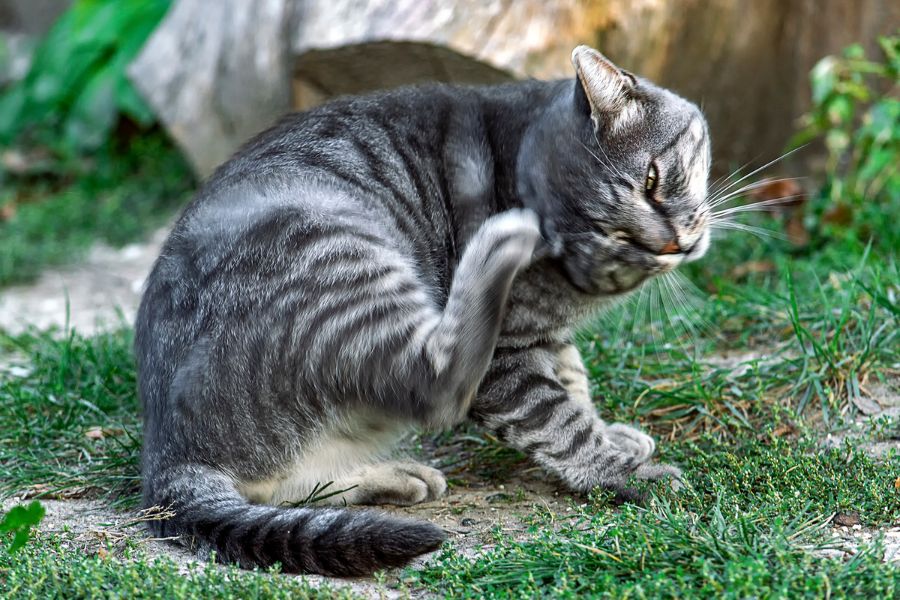
Excessive scratching, red patches, hair loss, or swelling may signal allergies or infection. Baltimore’s seasonal pollen shifts can trigger skin flare-ups. Early care prevents discomfort from escalating.
Behavior Changes That Signal Trouble
You know your pet’s personality better than anyone. Sudden mood shifts matter.
1. Aggression or Withdrawal
A gentle dog that snaps when touched may be in pain. A social cat that hides constantly could feel unwell.
2. House Soiling
Accidents in a fully house-trained pet can signal bladder problems, stress, or digestive upset. This is often mistaken for behavior trouble when it may be a health concern.
These signs often accompany pet sickness, especially when combined with appetite or energy changes. Observing patterns helps you provide clear information during an appointment.
Red Flags That Require Immediate Care
Some symptoms should never wait.
- Difficulty breathing
- Seizures
- Collapse or fainting
- Severe injury
- Pale gums
- Bloated abdomen
If you notice these, seek immediate medical help. Quick action can make a significant difference.
Monitoring at Home: A Simple Checklist
You do not need medical training to be observant. A daily check takes minutes.
- Look at the eyes for clarity
- Check ears for odor or discharge
- Feel the body for lumps or swelling
- Monitor stool consistency
- Notice changes in water intake
Keeping notes on your phone helps track patterns. If concerns arise, detailed observations help your care team respond accurately.
When to Schedule an Appointment
Call your clinic if symptoms last longer than a day, worsen quickly, or combine with other warning signs. Trust your instincts. You spend the most time with your pet.
Many Baltimore pet owners delay visits, hoping symptoms resolve. Early evaluation often leads to simpler treatment and lower costs. Waiting can allow minor concerns to grow into serious conditions.
If you would like to explore preventive exams, wellness plans, diagnostic services, or other supportive care options, visit our website to learn about the full range of services available for your pet’s needs. Understanding available resources empowers you to make informed decisions before concerns arise.
Local Factors That Impact Pet Health
Baltimore’s climate includes humid summers and chilly winters. Seasonal allergies, heat exposure, and cold-related joint stiffness are common. City pets may encounter tick exposure in nearby parks or digestive upset from street debris.
Community awareness matters. Keep emergency numbers saved. Know the closest open clinic during storms or extreme weather. Preparation reduces stress when concerns arise.
Building Confidence as a Pet Owner
Uncertainty creates anxiety. Education builds calm decision-making.
Ask yourself:
- Is this behavior normal for my pet?
- Has this happened before?
- Is my pet eating, drinking, and interacting normally?
You do not need to diagnose the problem. Your role is observation. Professional guidance fills in the rest.
Recognizing signs early protects comfort and long-term health. Even small changes can tell an important story.
Conclusion
Recognizing warning signs early allows you to respond with clarity instead of fear. Changes in appetite, behavior, energy, or physical appearance should never be dismissed. Observing patterns and acting promptly protects your companion’s quality of life. Pet sickness can begin subtly, which makes attentiveness your strongest tool. Reliable guidance and timely care create better outcomes and a stronger peace of mind for you and your pet.
We are conveniently located in Baltimore, MD, and welcome you to our facility at 46 E Sudbrook Ln, Baltimore, MD 21208—where compassionate care and community come together for your pet’s well-being. Schedule an appointment with Stevenson Village Veterinary Hospital.
Frequently Asked Questions(FAQs):
1. How do I know if my pet’s symptoms are serious?
A: If symptoms last more than 24 hours, worsen quickly, involve breathing difficulty, or include severe pain, seek care immediately. Trust your instincts. Sudden changes combined with lethargy often indicate a deeper issue.
2. Should I wait before calling the clinic?
A: Mild issues may resolve quickly. Ongoing vomiting, diarrhea, appetite loss, or behavior shifts deserve a call. Early communication helps determine whether monitoring at home is safe or if an exam is needed.
3. Can weather changes affect my pet’s health?
A: Yes. Baltimore’s humidity and seasonal pollen can trigger allergies and skin irritation. Temperature shifts may worsen joint stiffness. Monitoring during seasonal transitions helps prevent discomfort from escalating.
4. What are the first signs of pain in pets?
A: Common signs include limping, reluctance to jump, hiding, growling when touched, or decreased appetite. Pain often shows as a behavior change rather than obvious crying or vocalizing.
5. Is sudden tiredness always a concern?
A: Temporary fatigue after activity is normal. Persistent low energy without a clear cause may signal infection, internal issues, or stress. Combine this sign with appetite and behavior observations.
6. How can I prevent unexpected illness?
A: Routine wellness exams, balanced nutrition, regular exercise, and parasite prevention reduce risk. Early screening detects concerns before symptoms appear, supporting long-term health and comfort.