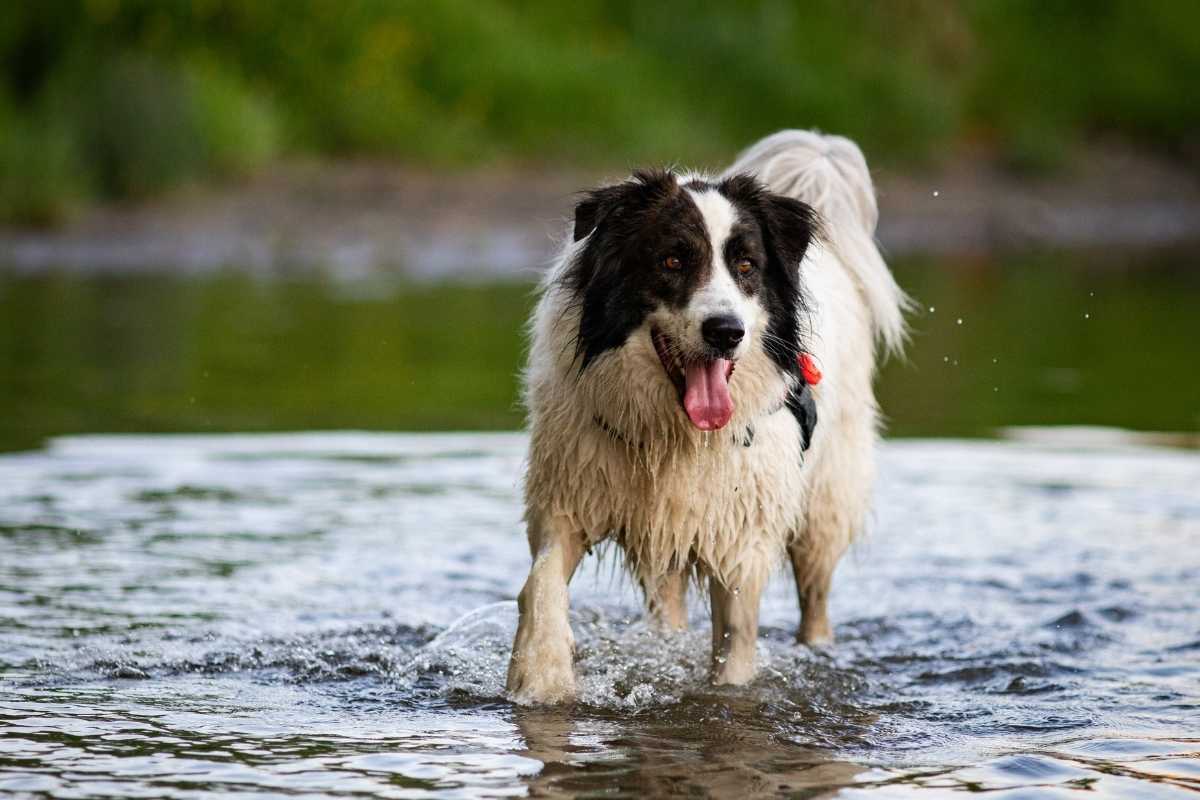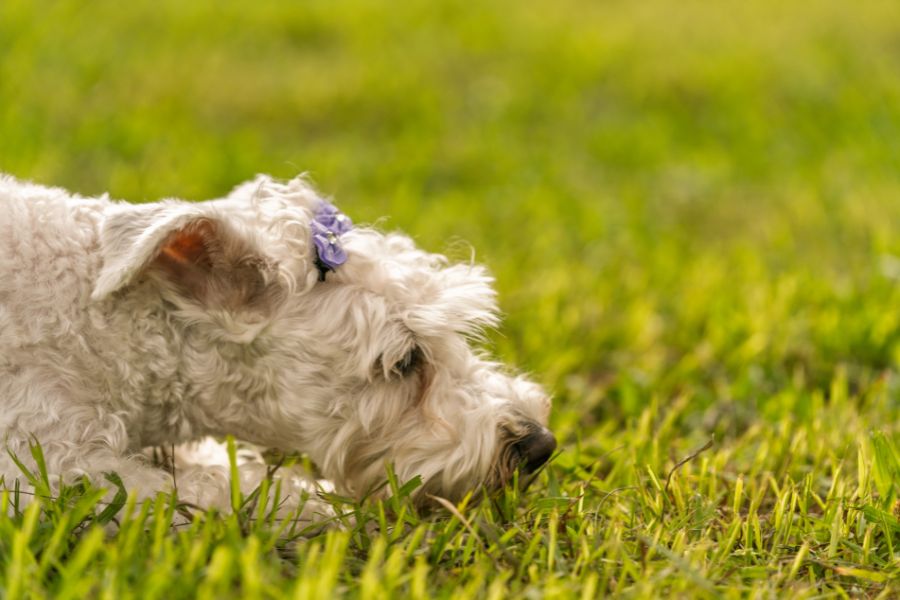
Dogs munching on grass is a curious behavior that many pet owners often notice and wonder about. While it might seem strange or even concerning at first, the truth is that this habit is surprisingly common and has deep roots in canine instincts.
This blog will explore the natural causes of grass eating in dogs and shed light on what this behavior means for their health and happiness.
From Wild Ancestors to Modern Companions: The Origins of Grass Eating
Dogs are descendants of wild canines such as wolves and coyotes, who consumed a varied diet that included plant material. In fact, research shows wild canids often ingest grasses and other vegetation as part of their natural diet.
This behavior has been passed down through generations, ingrained as an inherited instinct. So when your dog nibbles on grass, they are partially following an ancient survival habit.
More Than Just Taste: Why Grass Appeals to Dogs
Dogs explore the world primarily through their mouths—they taste, chew, and investigate. Some dogs may be drawn to grass simply because they enjoy the texture or flavor, much like humans might enjoy chewing gum or crunchy snacks. Grass can also provide a refreshing sensation, especially on a warm day.
Digestive Aid and Self-Medication: Nature’s Remedy
One widely accepted theory is that dogs eat grass to soothe upset stomachs. The coarse fibers in grass may induce vomiting, helping dogs to expel something irritating in their digestive systems. This self-medication instinct allows dogs to feel better without communicating their discomfort in other ways.
Filling the Nutritional Gap: Is Something Missing?
Sometimes, grass eating may be a sign that a dog is lacking certain nutrients, especially fiber, in their diet. Dogs are primarily carnivores but can digest some carbohydrates. When their regular food doesn’t meet all dietary needs, they might seek out grass as a supplemental source.
Boredom, Anxiety, and Exploration: Psychological Triggers
Dogs left alone for extended periods or those lacking sufficient mental and physical stimulation may resort to grass chewing as a method of relieving boredom or stress. Repetitive behaviors like grass eating can serve as a coping mechanism or a way to pass the time. Providing engaging activities, companionship, and regular exercise often reduces this habit.
When to Be Concerned: Signs That Grass Eating May Indicate Health Issues
While occasional grass eating is normal, excessive consumption accompanied by symptoms like vomiting, diarrhea, or lethargy might warrant a veterinary evaluation. It is important to rule out digestive problems, parasites, or other medical causes. Early intervention ensures your furry friend stays healthy and comfortable.
Understanding your dog’s grass-eating habit involves appreciating their instincts and behavioral cues. If concerns arise, reaching out to a trusted veterinary clinic in Baltimore, MD, ensures expert guidance tailored to your pet’s needs.
FAQs(Frequently Asked Questions):
1. Do dogs eating grass mean anything?
A: Grass eating in dogs is often a natural behavior with multiple explanations—from ancestral instincts to dietary needs or simply curiosity. It can signal a healthy digestive habit or a need for dietary assessment.
2. Should you let your dog eat grass if they want to?
A: Occasional grass eating is generally safe unless it involves consuming treated lawn chemicals. Monitoring how often your dog eats grass and their overall health ensures this behavior remains harmless.
3. What is a dog lacking if it eats grass?
A: Sometimes, dogs eat grass due to a lack of fiber or certain nutrients in their diet. Adjusting the diet or consulting a veterinary professional can help address these deficiencies.
4. Do dogs eat grass when they’re sick?
A: Yes, some dogs instinctively eat grass to relieve nausea or stomach discomfort by inducing vomiting. Persistent grass eating with sickness signs should prompt a visit to the vet.