From wagging tails to soft purrs, pets have an extraordinary ability to bring comfort and joy into our lives. But beyond their adorable charm lies fascinating science — one that explains why spending time with pets can actually improve our mental well-being.
Research has shown that interacting with animals releases mood-enhancing hormones, lowers stress levels, and even helps combat loneliness. Let’s dive deeper into how our four-legged friends help keep our minds healthier and our hearts happier.
1. The Chemistry of Happiness: How Pets Influence Brain Chemistry
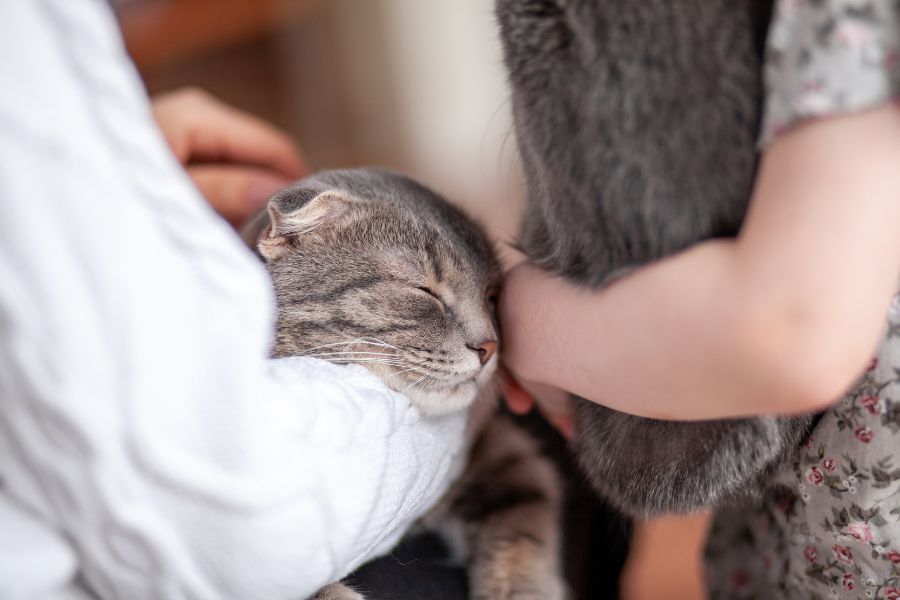
When you pet a dog or cuddle a cat, your brain releases a surge of “feel-good” hormones such as oxytocin, dopamine, and serotonin. These chemicals are the same ones that boost feelings of love, joy, and relaxation.
At the same time, interacting with pets reduces the stress hormone cortisol, helping you feel calmer and more centered. This combination of chemical changes creates a natural antidepressant effect, often leading to improved mood and emotional balance.
In fact, multiple studies have shown that even a few minutes of gentle interaction with a pet can noticeably reduce anxiety and tension — a simple act with profound impact.
2. From Stress to Serenity: Pets as Natural Stress Relievers
Life today can be overwhelming — work deadlines, social pressures, and endless responsibilities can take a toll on our mental health. But when your pet greets you at the door with excitement or curls up beside you after a long day, that stress begins to melt away.
Pets help us slow down, live in the moment, and shift focus away from our worries. Their unconditional love offers emotional stability, providing reassurance during difficult times.
Spot the difference:
–Without a pet, a stressful day might end with overthinking and exhaustion.
–With a pet, the same day ends with laughter, cuddles, and a peaceful heart.
That simple presence transforms the energy in your home — and in your mind.
3. The Healing Power of Routine: Responsibility and Purpose
Caring for a pet adds structure to daily life. From morning walks to mealtime, pets thrive on routine — and so do we. Maintaining a schedule around your furry companion can create a sense of purpose and predictability, which are key elements for emotional well-being.
For individuals struggling with depression or anxiety, these small, consistent responsibilities provide a reason to get out of bed and engage with the world. That gentle accountability fosters discipline, routine, and motivation — all essential for recovery and stability.
4. Companionship That Heals: Combating Loneliness and Isolation
Loneliness is one of the biggest threats to mental health. Pets, however, fill this emotional void beautifully. They offer nonjudgmental companionship and unconditional affection, reminding us that we are never truly alone.
For seniors, people living alone, or those dealing with loss, pets can be a lifeline. Their presence not only reduces feelings of isolation but also encourages social interaction. Pet owners are often more likely to engage with neighbors, visit parks, or connect with fellow pet lovers — forming new relationships through shared love for animals.
5. Physical Activity, Mental Clarity: Pets Keep You Moving
One of the lesser-known benefits of pet ownership is its impact on physical activity, which in turn enhances mental health. Dogs, in particular, require regular walks and playtime — motivating their owners to stay active.
Exercise increases endorphin levels, improves sleep quality, and boosts self-esteem. Walking your dog in the park doesn’t just benefit your pet — it also provides a refreshing mental reset for you.
Even smaller pets, like cats or rabbits, encourage playful interaction that adds moments of light movement and laughter to your day.
6. Therapy on Four Legs: Emotional Support and Healing
Animals are now a recognized part of many mental health therapy programs. Emotional Support Animals (ESAs) and therapy dogs are used in hospitals, nursing homes, and counseling centers to provide comfort and support to patients.
Their ability to sense human emotions is truly remarkable. Dogs and cats, for instance, can detect sadness, fear, or stress — often responding with affection and calmness. This innate empathy provides emotional grounding, helping people cope with trauma, grief, and anxiety more effectively.
7. Teaching Empathy and Mindfulness: Pets Make Us Better Humans
Pets remind us of essential human qualities — kindness, patience, and compassion. Caring for a living being requires empathy, which can strengthen our emotional intelligence and interpersonal relationships.
Moreover, pets live completely in the present moment. Watching a cat bask in a sunbeam or a dog delighting in a simple game of fetch encourages us to embrace mindfulness — to be fully present, grateful, and content in the now.
That shift in perspective is transformative for mental well-being, fostering calmness and resilience in daily life.
8. Pets and Children: Building Emotional Strength Early
Children who grow up with pets often develop stronger emotional foundations. Having a pet teaches responsibility, empathy, and emotional regulation from a young age.
Studies show that kids with pets tend to experience lower stress levels and greater self-confidence. They also learn to process grief and attachment in healthy ways, which supports long-term emotional maturity.
9. The Ripple Effect: Healthier Minds, Healthier Communities
When individuals thrive emotionally, communities flourish too. Pet-friendly neighborhoods promote social interaction, compassion, and shared joy. Animal shelters, pet adoption drives, and local pet events bring people together for positive causes — strengthening the bond between humans and animals.
This ripple effect extends beyond individual well-being, contributing to a kinder, more connected society overall.
10. The Role of Professionals: Guidance from Compassionate Experts
Whether you’re welcoming a new pet into your life or managing the emotional challenges of pet care, professional advice makes a world of difference. Regular vet visits ensure that your pet stays healthy — because a healthy pet means a happy owner.
For example, Baltimore vets provide exceptional care that supports both physical and emotional wellness for pets, fostering stronger bonds and healthier relationships between owners and their furry companions.
The connection between pets and mental health is both scientific and soulful. Hormones may explain the chemistry, and research may validate the outcomes — but the warmth of a loving gaze, the comfort of a purr, or the joy of a playful bark speak for themselves.
Owning a pet is more than companionship; it’s a partnership in emotional healing. Their unconditional love teaches us to slow down, appreciate the little moments, and find peace within ourselves.
So the next time your furry friend curls up beside you, remember — that’s not just affection. That’s therapy, science, and unconditional love wrapped in one.