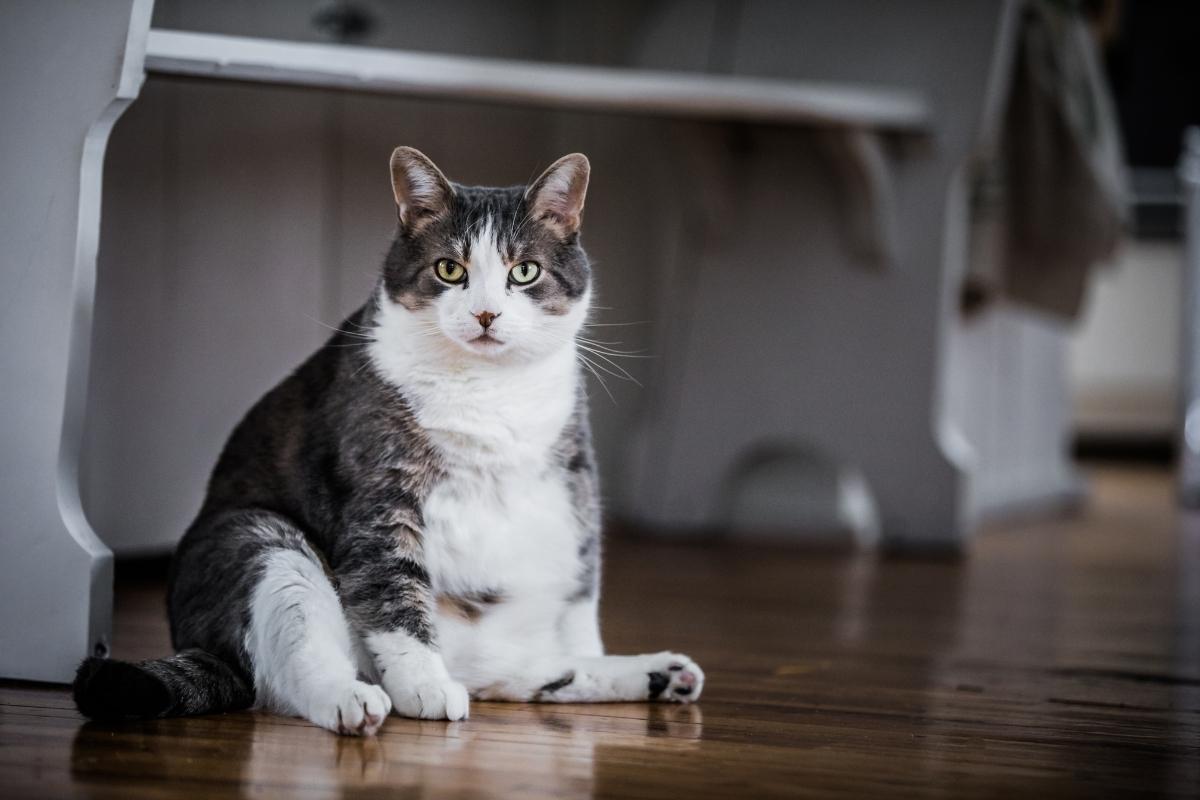
As cats grow older, their healthcare needs begin to change. While many senior cats still appear active and healthy, age-related illnesses can develop quietly and progress before symptoms become noticeable. Preventive health screenings play a vital role in helping veterinarians detect medical concerns early, improve quality of life, and support long-term wellness.
At Stevenson Village Veterinary Hospital in Baltimore, we believe proactive veterinary care is one of the best ways to help senior cats stay comfortable, healthy, and happy during their golden years. Routine screenings can uncover hidden health issues before they become more serious and costly to treat.
When Is a Cat Considered a Senior?
Most cats are considered senior once they reach around 7 to 10 years of age. As cats age, their bodies undergo natural changes that may increase the risk of certain medical conditions. Even if your cat still seems playful and energetic, internal health changes may already be occurring.
Senior cats are more likely to develop conditions such as:
- Kidney disease
- Diabetes
- Hyperthyroidism
- Arthritis
- Heart disease
- High blood pressure
- Dental disease
- Cancer
Because cats are experts at hiding pain and illness, regular preventive screenings become increasingly important with age.
Why Preventive Screenings Matter for Senior Cats
Preventive health screenings allow veterinarians to evaluate your cat’s overall health and identify potential concerns early. Early diagnosis often leads to more effective treatment options, improved comfort, and better long-term outcomes.
Many diseases in older cats develop gradually and may not show obvious symptoms until they are advanced. Routine screenings help detect these issues before your cat’s health significantly declines.
Benefits of Preventive Health Screenings
- Detect diseases in their earliest stages
- Monitor age-related health changes
- Improve treatment success rates
- Help cats maintain a better quality of life
- Reduce the risk of medical emergencies
- Support longer, healthier lives
Preventive care also gives pet owners peace of mind by helping them stay informed about their cat’s health.
Common Health Problems Found in Senior Cats
Chronic Kidney Disease
Kidney disease is one of the most common conditions seen in older cats. Early symptoms can be subtle and may include increased thirst, weight loss, or changes in appetite.
Routine bloodwork and urine testing can help identify kidney disease before severe damage occurs. Early treatment may slow disease progression and improve your cat’s comfort.
Hyperthyroidism
Hyperthyroidism occurs when the thyroid gland produces excessive hormones. It is especially common in senior cats and may cause:
- Weight loss despite a good appetite
- Increased vocalization
- Hyperactivity
- Vomiting
- Increased thirst
Preventive screenings can detect thyroid abnormalities early so treatment can begin quickly.
Arthritis and Joint Pain
Many senior cats develop arthritis, but the signs are often overlooked. Cats with joint pain may:
- Hesitate to jump
- Sleep more often
- Avoid stairs
- Become less active
- Show changes in grooming habits
Regular veterinary exams help identify mobility concerns and allow veterinarians to recommend pain management strategies.
Diabetes
Feline diabetes is another condition that becomes more common with age. Early symptoms may include:
- Increased water consumption
- Frequent urination
- Weight loss
- Increased appetite
Routine wellness screenings can help detect diabetes before complications arise.
Dental Disease
Dental problems can significantly affect a cat’s comfort and overall health. Untreated dental disease may lead to pain, infections, difficulty eating, and systemic health issues.
Senior wellness exams often include dental evaluations to identify signs of oral disease early.
What Happens During a Senior Cat Wellness Screening?
Senior wellness visits typically involve a comprehensive evaluation of your cat’s health. Your veterinarian may recommend screenings based on your cat’s age, lifestyle, and medical history.
Physical Examination
A thorough physical exam helps assess your cat’s:
- Weight and body condition
- Heart and lung function
- Joint mobility
- Skin and coat health
- Vision and hearing
- Oral health
- Hydration status
Your veterinarian may also check for lumps, swelling, or other abnormalities.
Blood Testing
Bloodwork provides valuable insight into organ function and can help detect:
- Kidney disease
- Liver disease
- Diabetes
- Thyroid disorders
- Anemia
- Infections
Routine blood testing is one of the most important tools in senior cat preventive care.
Urinalysis
Urine testing helps evaluate kidney function, hydration, urinary tract health, and signs of diabetes or infection.
Blood Pressure Monitoring
High blood pressure is common in older cats and may lead to vision problems, heart disease, or kidney damage if left untreated.
Fecal Testing
Fecal exams help identify intestinal parasites and digestive health concerns.
How Often Should Senior Cats Have Health Screenings?
Because senior cats age more quickly than humans, many veterinarians recommend wellness exams every six months. These visits help monitor changes that may occur between annual appointments.
More frequent screenings allow veterinarians to:
- Track chronic conditions
- Adjust treatment plans
- Monitor weight changes
- Detect new medical concerns early
Cats with existing medical conditions may require additional monitoring depending on their health needs.
Signs Your Senior Cat May Need Veterinary Attention
Even with routine screenings, it is important to watch for behavioral or physical changes at home. Contact your veterinarian if your cat experiences:
- Weight loss
- Changes in appetite
- Increased thirst
- Vomiting or diarrhea
- Difficulty jumping or walking
- Changes in litter box habits
- Bad breath
- Increased sleeping
- Confusion or disorientation
- Withdrawal or unusual behavior
Cats often hide discomfort, so subtle changes should never be ignored.
The Importance of Nutrition for Senior Cats
Nutrition plays a major role in supporting healthy aging. Senior cats may benefit from diets formulated to support:
- Kidney health
- Joint function
- Weight management
- Digestive health
- Immune support
Your veterinarian can recommend nutritional plans based on your cat’s individual needs and medical history.
Supporting Your Senior Cat at Home
In addition to preventive screenings, there are many ways to help your senior cat stay comfortable at home.
Helpful Tips for Senior Cat Care
- Provide soft bedding in quiet areas
- Keep food, water, and litter boxes easily accessible
- Use ramps or pet stairs if mobility becomes difficult
- Maintain a consistent routine
- Encourage gentle play and mental stimulation
- Monitor appetite and water intake regularly
Creating a comfortable environment can greatly improve your cat’s quality of life as they age.
Early Detection Can Make a Big Difference
Many age-related diseases can be managed more successfully when caught early. Preventive screenings give veterinarians the opportunity to diagnose problems before they become severe or life-threatening.
With regular veterinary care, many senior cats continue to enjoy active, happy lives for years. Proactive healthcare not only helps extend lifespan but also improves daily comfort and wellbeing.
At Stevenson Village Veterinary Hospital, our team is dedicated to helping senior cats throughout Baltimore receive compassionate, personalized care. If your cat is entering their senior years, now is the perfect time to schedule preventive health screenings and stay ahead of potential health concerns.
Book an Appointment for Your Senior Cat
Routine wellness screenings are one of the most important investments you can make in your cat’s long-term health. Whether your cat needs bloodwork, a wellness exam, or ongoing senior care support, our veterinary team is here to help.
Contact Stevenson Village Veterinary Hospital today to book an appointment and give your senior cat the proactive care they deserve.
Frequently Asked Questions
1. How often should senior cats see a veterinarian?
Ans: Most senior cats should visit the veterinarian every six months for wellness exams and preventive screenings. Cats with chronic medical conditions may require more frequent visits.
2. What age is considered senior for cats?
Ans: Cats are generally considered senior around 7 to 10 years of age, although healthcare needs may vary based on breed and overall health.
3. Are preventive screenings really necessary if my cat seems healthy?
Ans: Yes. Many diseases in cats develop silently and may not show symptoms until they become advanced. Preventive screenings help detect problems early.
4. What tests are commonly recommended for senior cats?
Ans: Common tests include bloodwork, urinalysis, blood pressure monitoring, fecal exams, and comprehensive physical examinations.
5. Can senior cats still live long, healthy lives?
Ans: Absolutely. With regular veterinary care, proper nutrition, and early disease detection, many senior cats enjoy excellent quality of life well into their later years.
6. What are the early warning signs of illness in senior cats?
Ans: Common warning signs include weight loss, increased thirst, appetite changes, vomiting, litter box changes, decreased mobility, and unusual behavior changes.