As pets grow older, their needs begin to shift, and maintaining an active lifestyle becomes more important than ever. Although their pace may slow down, regular movement remains essential for keeping joints flexible, supporting a healthy weight, and improving overall quality of life.
However, exercise for senior pets must be approached with care. Their bodies are not as resilient, so thoughtful, low-impact workouts are required to help them stay strong without causing strain.
In this guide, safe exercise ideas for aging pets will be explored, along with practical tips to ensure that every activity is gentle, enjoyable, and beneficial.
Why Exercise Matters for Senior Pets
Even during the later stages of life, physical activity provides numerous health benefits. For instance, circulation can be improved, joint stiffness can be reduced, and mood can be enhanced. Additionally, regular exercise helps manage weight, which is essential since older pets are more prone to obesity and related health conditions.
Moreover, aging pets often face mobility challenges, but movement encourages muscles to stay active and prevents rapid decline. With the right exercises, pets can continue to enjoy their daily routines while staying comfortable and engaged.
How to Prepare Your Senior Pet for Exercise
Before any new workout routine is introduced, certain steps should be taken to ensure safety. To begin with, a veterinary examination is recommended. Through this evaluation, underlying conditions such as arthritis, heart disease, or respiratory issues can be identified. Once clear guidance has been provided by your veterinarian, a personalized plan can be created.
Furthermore, it is important that warm-ups and cool-downs are included. Gentle stretching or slow walking at the beginning helps loosen stiff muscles, while gradual cooldowns prevent soreness. Additionally, exercise sessions should be monitored closely to watch for signs of discomfort such as limping, heavy panting, or refusal to continue.
If specialized geriatric guidance is needed, internal resources such as senior pet care in Baltimore may be explored to ensure well-rounded support.
Low-Impact Workouts for Older Dogs
Senior dogs often desire movement, but their joints may no longer tolerate high-energy activities. Therefore, gentle exercises are most suitable. The following options have been widely recommended for safe and effective senior dog fitness:
1. Short, Frequent Walks
Long walks may be too tiring for elderly dogs, so short and frequent strolls are a better option. A slow pace should be maintained, and soft surfaces like grass are preferable because they reduce pressure on joints. Furthermore, variations in route can help keep your dog mentally engaged.
2. Swimming or Hydrotherapy
Swimming is considered one of the best exercises for aging dogs because the water supports their weight, thus reducing joint stress. Hydrotherapy sessions in controlled environments are also beneficial for dogs with arthritis, hip dysplasia, or post-operative healing needs.
3. Gentle Fetch or Nose-Work Games
Traditional high-energy fetch should be avoided, but soft, low-impact versions can be encouraged. Tossing a toy a short distance allows movement without strain. Nose-work games, where treats are hidden, provide both mental and physical exercise while keeping the effort mild.
4. Balance and Strength Exercises
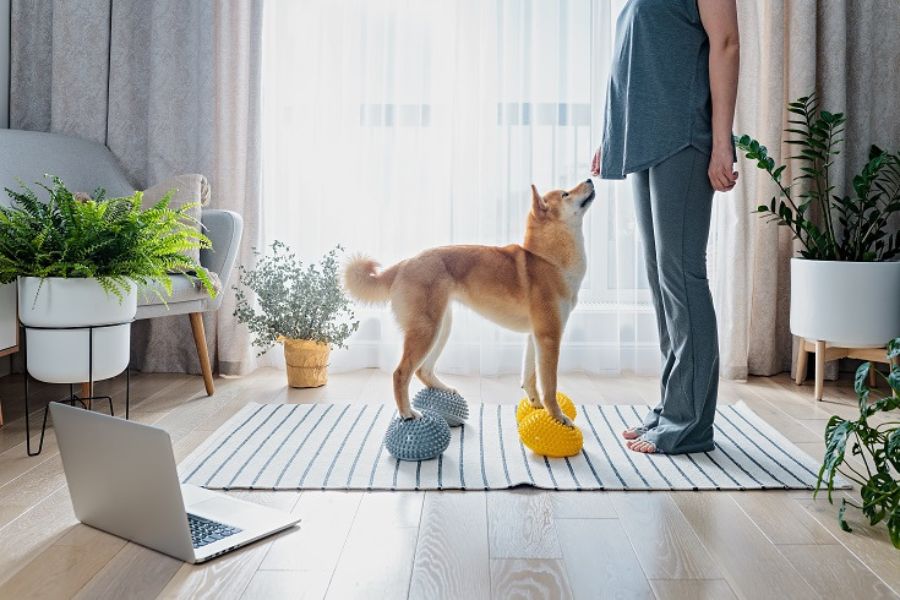
Simple balance drills, such as standing on a slightly unstable surface or stepping over low obstacles, help maintain muscle tone and coordination. As always, these activities must be supervised carefully to prevent falls.
Low-Impact Workouts for Older Cats
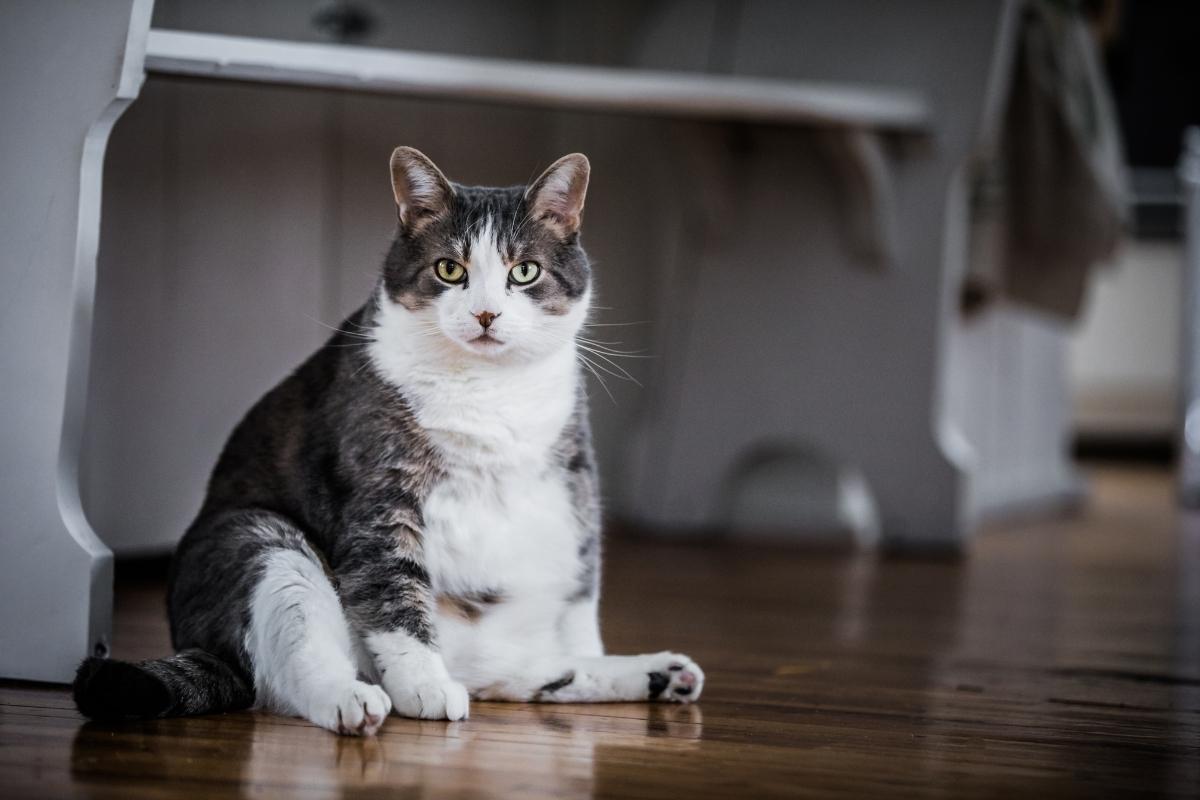
Even though cats may appear more independent, their activity levels naturally decrease with age. Still, gentle play is crucial for preventing muscle loss and keeping their minds sharp. The following activities can be introduced safely:
1. Interactive Play Sessions
Feather wands, slow-moving toys, or soft rolling balls can encourage mild chasing or swatting. Since cats often dictate the pace, sessions can be kept short and engaging. Additionally, toys that move unpredictably stimulate mental alertness.
2. Climbing Support
Although high jumps should be discouraged, safe climbing options such as low cat trees or ramp-access shelves can be provided. These encourage movement while removing the risk of injury from sudden leaps.
3. Puzzle Feeders
Puzzle feeders promote movement as cats work to release their food. This activity engages both the body and mind and may help prevent boredom, which is common among older indoor cats.
4. Slow Laser Play
A laser pointer can be used, but it should be moved slowly and kept low. Rapid or erratic movements may cause strain. Ending the session with a treat helps prevent frustration.
How to Prevent Injury During Senior Pet Workouts
While exercise is beneficial, older pets must be protected from accidental injuries. Therefore, several precautions should be followed:
1. Choose the Right Environment
A safe, non-slippery surface should always be selected. Hardwood floors may cause difficulty, so rugs or carpeted spaces are preferable.
2. Keep Sessions Short
Because stamina naturally decreases with age, short bursts of activity are more comfortable. Overexertion must be avoided at all costs.
3. Provide Regular Hydration
Older pets should have access to water before and after exercise to prevent dehydration. Warm weather workouts should be avoided.
4. Watch for Warning Signs
If your pet shows changes in gait, hesitates to move, or pants excessively, the session should be stopped immediately. Subtle signs of pain should never be ignored.
Supporting Mobility Through Lifestyle Adjustments
In addition to exercise, several lifestyle habits may be encouraged to support aging pets. For example, a balanced diet tailored to seniors’ needs plays an important role in maintaining energy levels and ideal weight. Supplements such as omega-3 fatty acids or joint support formulas may also be recommended by veterinarians.
Furthermore, comfortable bedding, ramps for furniture access, and regular grooming help reduce physical strain. When combined with safe exercise, these small adjustments greatly enhance quality of life.
Creating a Consistent Routine
Consistency is essential for senior pets. A predictable routine allows their bodies to adjust, reduces anxiety, and improves motivation. Exercise should be introduced gradually, and the frequency should be maintained based on tolerance levels.
Moreover, each day may look slightly different depending on energy levels, so activities should be flexible. As long as gentle movement is incorporated, the goal of maintaining mobility will be supported.
Keeping senior pets active is one of the most loving actions an owner can take. Through slow, steady, and thoughtfully designed exercise routines, older pets can remain mobile, comfortable, and content. With low-impact activities, safe environments, and regular veterinary guidance, senior pets are able to enjoy their golden years with strength and vitality. By focusing on gentle movement and careful monitoring, pet owners can create meaningful moments of bonding while ensuring lifelong well-being.