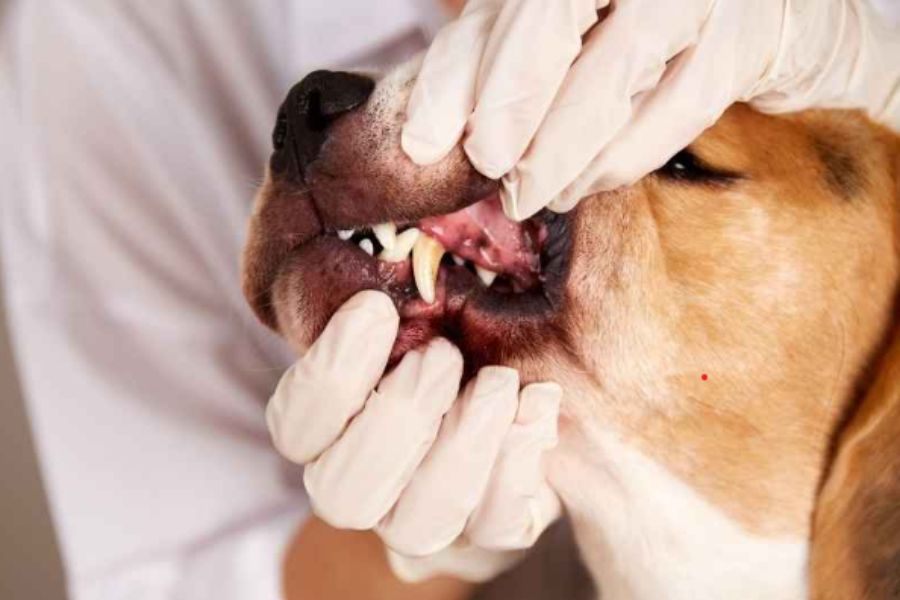
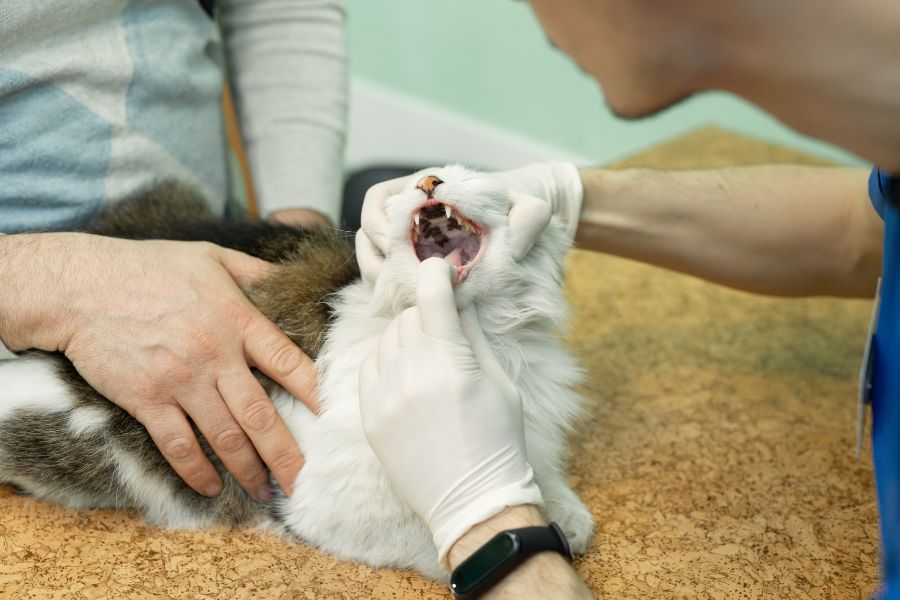
For many pet owners, the idea of their beloved companion undergoing a tooth extraction can be daunting. We often associate tooth loss with aging or neglect. Still, in reality, dental disease is prevalent in pets, and extractions are frequently a necessary procedure to alleviate pain, prevent further complications, and improve their overall quality of life.
Understanding why extractions are required and what to expect after the procedure can help ease your concerns.
Why Pet Tooth Extractions Become Necessary
Dental disease in pets often begins with plaque and tartar buildup and can quietly progress, leading to pain and serious health complications. That’s why Baltimore veterinarians may recommend tooth extractions when necessary. At a trusted Baltimore vet clinic, extractions are performed to relieve discomfort, prevent infection, and protect your pet’s overall well-being.
- Severe periodontal disease is the most common culprit. When plaque and tartar accumulate, they push gums away from the teeth, creating pockets where bacteria thrive. This infection can lead to bone loss around the tooth, making it unstable and painful. If the disease is too advanced to be managed with deep cleaning alone, extraction is often the only way to eliminate the infection and pain.
- Fractured Teeth: Pets, especially those who chew on complex objects (like bones or antlers) or suffer trauma, can fracture their teeth. Depending on the severity of the fracture, especially if it exposes the pulp (the tooth’s inner nerve and blood supply), the tooth becomes extremely painful and prone to infection. Extraction is often necessary to prevent abscess formation and continued pain.
- Tooth Resorption: This is a surprisingly common and painful condition, particularly in cats, but also seen in dogs. The body’s cells begin to break down the tooth structure, often starting at the gum line. These lesions are excruciatingly painful and require the extraction of the affected tooth.
- Persistent Deciduous (Baby) Teeth: Sometimes, a puppy or kitten’s baby teeth don’t fall out when the adult teeth erupt. This can lead to overcrowding, misaligned adult teeth, and the trapping of food particles, predisposing them to periodontal disease. Removing these persistent baby teeth is crucial for proper dental development.
- Oral Tumors: While less common, certain oral tumors can involve teeth. In such cases, extraction of the affected tooth and surrounding tissue may be part of a broader treatment plan.
- Crowding and Malocclusion: In some cases, severe crowding or misalignment of teeth can lead to chronic irritation, trauma to other teeth or oral tissues, and increased susceptibility to periodontal disease. Extraction of specific teeth can alleviate these issues.
What Follows a Pet Tooth Extraction?
Once the decision for extraction is made, understanding the post-procedure care is vital for your pet’s comfortable recovery.
- Anesthesia: Dental extractions always require general anesthesia. Your vet will conduct a thorough pre-anesthetic exam and blood work to ensure your pet is a good candidate. During the procedure, your pet will be closely monitored.
- Pain Management: Your pet will receive pain medication before, during, and after the extraction. Your veterinarian will send you home with appropriate pain relievers to administer for several days, ensuring your pet remains comfortable during the recovery period.
- Antibiotics: Depending on the severity of infection present before the extraction, your pet may be prescribed antibiotics to prevent post-operative infection.
- Dietary Modifications: For the first few days to a week after extractions, your pet will likely need to eat a soft food diet. This prevents trauma to the extraction sites as they heal. Your vet will advise you on the specific duration.
- Activity Restriction: Rest is crucial for healing. Your vet may recommend limiting strenuous activity, jumping, and rough play for a few days to a week.
- Oral Care at Home: While the extraction sites heal, avoid brushing that area. However, once cleared by your veterinarian, resuming regular home dental care (such as brushing, dental chews, or dental diets) for the remaining teeth is more important than ever to prevent future problems.
- Follow-up: A follow-up appointment may be scheduled to check the healing of the extraction sites and ensure your pet is recovering well.
While the idea of tooth extraction may seem worrisome, it’s often the most compassionate and effective solution to alleviate your pet’s discomfort and enhance their overall well-being. Understanding the reasons behind the procedure and what to expect afterward can help you feel more at ease in supporting your furry companion. Regular veterinary visits and consistent pet dentistry in Baltimore are essential for catching issues early and ensuring optimal dental health.