Cats grow and change fast, and their mouths tell an important story. From tiny needle-like kitten teeth to strong adult molars, each stage brings new patterns, normal shifts, and warning signs. This guide explains how many teeth cats have at every age, what healthy development looks like, common dental concerns, and when a checkup makes sense.
You will learn timelines, care tips, and practical ways to spot trouble early, with a clear look at daily habits that protect your cat’s smile. If you live near Baltimore, MD, these basics help you ask smarter questions at your local clinic.
Baby Teeth: The Kitten Phase
Kittens arrive toothless. Their first teeth appear around two to three weeks of age. These baby teeth, also called deciduous teeth, include incisors, small pointed canines, and premolars. By six to eight weeks, most kittens have a full set of 26 baby teeth. They look sharp, feel fragile, and fall out on their own.
Teething starts at around three months. You might find tiny teeth on the floor or see mild gum redness. Chewing increases. Appetite may dip for a day. Gentle play, soft food, and safe chew toys ease the process. Avoid hard treats that can crack delicate enamel. Never pull loose teeth.
Adult Teeth: The Permanent Set
Adult teeth replace baby teeth between three and six months. The final count reaches 30 teeth: 12 incisors, 4 canines, 10 premolars, and 4 molars. Molars handle grinding. Canines hold prey and toys. Incisors tidy fur and pick up crumbs. Knowing how many teeth cats have at maturity helps owners notice missing teeth or uneven wear.
By seven months, most cats carry their permanent set. Gums should look pale pink. Breath should smell neutral. A small amount of tartar near the gumline can appear with time, yet heavy buildup signals a need for care.
What’s Normal at Each Age
Healthy kittens show pink gums, white teeth, and playful chewing. Adult cats show stable appetite, balanced chewing on both sides, and minimal drooling. A little plaque appears with age. Light staining on the back teeth happens.
Weight loss, pawing at the mouth, foul breath, blood on toys, or dropping food point to discomfort. Retained baby teeth sometimes sit beside adult teeth, crowding the mouth and trapping food. Early attention prevents larger issues.
Common Dental Concerns
Plaque hardens into tartar. Gums swell. Teeth loosen. Cats hide pain well, so subtle signs matter. Gingivitis brings red margins and tenderness. Tooth resorption creates holes that hurt yet stay hidden. Cracked teeth follow falls or hard chews. Retained baby teeth raise the risk for crowding.
Daily brushing with cat-safe paste reduces plaque. Dental diets and approved treats help scrape surfaces. Home checks once a week catch changes early.
Feeding and Habits That Shape Oral Health
Wet food supports hydration. Dry kibble adds light abrasion. Mixing textures benefits many cats. Avoid bones and very hard chews. Keep string, hair ties, and needles out of reach.
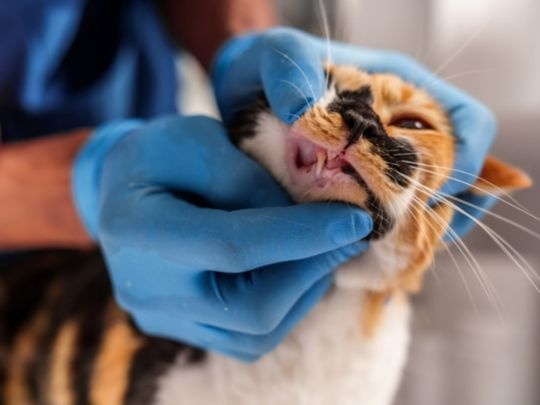
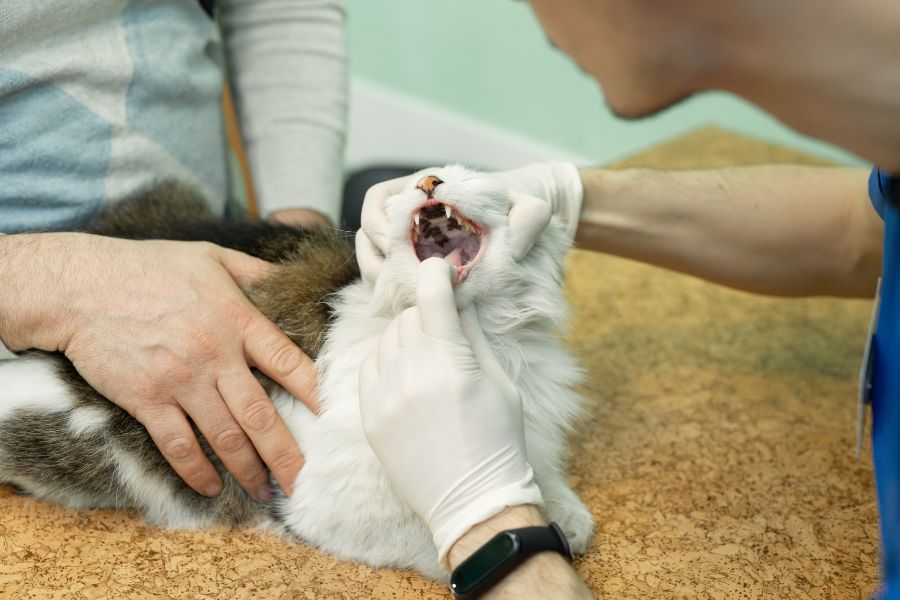
Start handling mouths in kittenhood. Lift lips, praise calm behavior, and keep sessions brief. Consistency builds tolerance. Schedule professional cleanings when advised, based on your cat’s mouth and age.
When to Worry
Call for advice if breath smells rotten, gums bleed, a tooth looks loose, or your cat stops eating. Sudden drooling, facial swelling, or visible fractures need prompt care. Kittens with double canines need evaluation. Senior cats benefit from regular oral exams since pain hides behind quiet habits.
Understanding how many teeth cats have also helps owners track changes after extractions. Fewer teeth often improve comfort, and cats adapt well to softer diets.
Quick Timeline
• Birth to two weeks: no teeth
• Two to eight weeks: baby teeth emerge, a total of 26
• Three to six months: baby teeth fall, adult teeth grow
• Seven months onward: permanent set of 30
Caring Today for a Healthier Tomorrow
Healthy teeth support appetite, play, and grooming. Small routines protect big outcomes. Check lips weekly right now. Brush when possible. Choose textures that help scrape plaque. Act on early signs.
Cats thrive when pain stays low, and mouths stay clean. With attentive care, most dental problems stay manageable. If you are in Baltimore, MD, and looking for vet dental care, book an appointment with Stevenson Village Veterinary Hospital.
Frequently Asked Questions(FAQs):
1. How many teeth do kittens have, and when do they appear?
A: Most kittens have 26 baby teeth. Incisors appear first near two to three weeks, followed by canines and premolars. By eight weeks, the set feels complete, though teething continues as adult teeth begin replacing them.
2. At what age should my cat have all adult teeth?
A: Many cats finish teething by six to seven months. Adult teeth replace baby teeth gradually. A lingering baby tooth beside an adult one deserves attention because crowding traps food and raises infection risk.
3. Is bad breath normal in cats?
A: Mild odor happens after meals. Strong, persistent smell points to plaque, gum irritation, or infection. Pair home brushing with routine checks to catch issues early and keep breath neutral.
4. Do indoor cats need dental care, too?
A: Yes. Indoor living does not prevent plaque or gum disease. Diet, genetics, and grooming habits influence buildup. Regular brushing, dental treats, and periodic exams support long-term comfort.
5. What signs suggest tooth pain?
A: Watch for drooling, pawing at the mouth, eating on one side, dropping kibble, hiding, or behavior changes. Cats mask pain. Subtle shifts often mean teeth or gums need help.
6. Can I brush my cat’s teeth at home?
A: Yes, with patience. Use cat-safe paste and a soft brush or finger wrap. Start slow, reward calm behavior, and aim for several short sessions weekly. Consistency beats perfection.