Many pet owners focus on food, exercise, and regular checkups, yet the mouth often receives little attention. Pet dental health influences comfort, appetite, breath, and even energy levels. Plaque and bacteria build quietly along the gumline, turning into painful infections when ignored.
Dogs and cats rarely show obvious signs at first, which makes routine care essential at home and during clinic visits. This guide explains why dental care matters, how problems develop, and what practical steps owners can take to protect their companions.
You will also learn warning signs, daily habits that help, and simple ways families can build healthier routines for their animals. These tips are especially helpful for households caring for pets in busy urban neighborhoods where diet changes, indoor lifestyles, and limited outdoor chewing opportunities affect oral care. Pet owners across the Baltimore, MD community often face these same challenges.
Why Dental Care Deserves Attention
Dogs and cats use their mouths constantly. They chew toys, carry objects, groom themselves, and explore new scents. Bacteria collect on tooth surfaces every day. Without cleaning, the soft film thickens and irritates gums. Pets may still eat normally, which hides the discomfort. Owners sometimes notice bad breath or a change in chewing habits.
Small problems slowly grow into loose teeth, swelling, and deeper infections. Routine brushing, dental chews, and professional cleanings reduce buildup and protect the mouth. Healthy teeth support easier eating, playful behavior, and better daily comfort.
Long-term infections may allow bacteria to travel through the bloodstream and stress the heart, liver, and kidneys. Many owners feel surprised when a dental issue connects with overall wellness. Early care keeps treatment simpler and less stressful for both pets and families.
Signs Your Pet’s Mouth Needs Attention
Changes in behavior often reveal mouth discomfort. Pets may drop food, chew on one side, paw at their face, or avoid crunchy treats. Breath may smell stronger than usual. Red gums, yellow buildup, or extra drooling deserve attention.
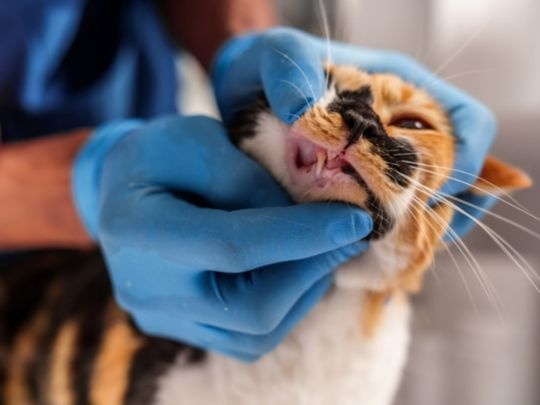
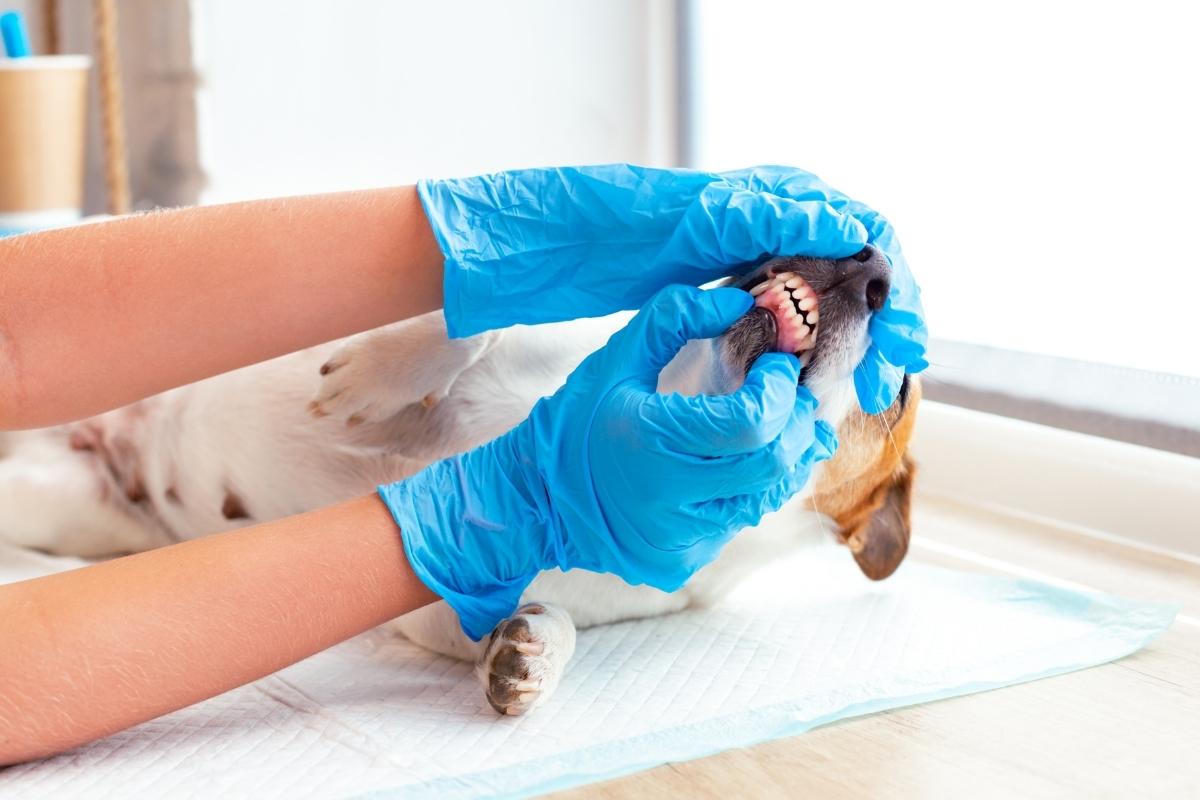
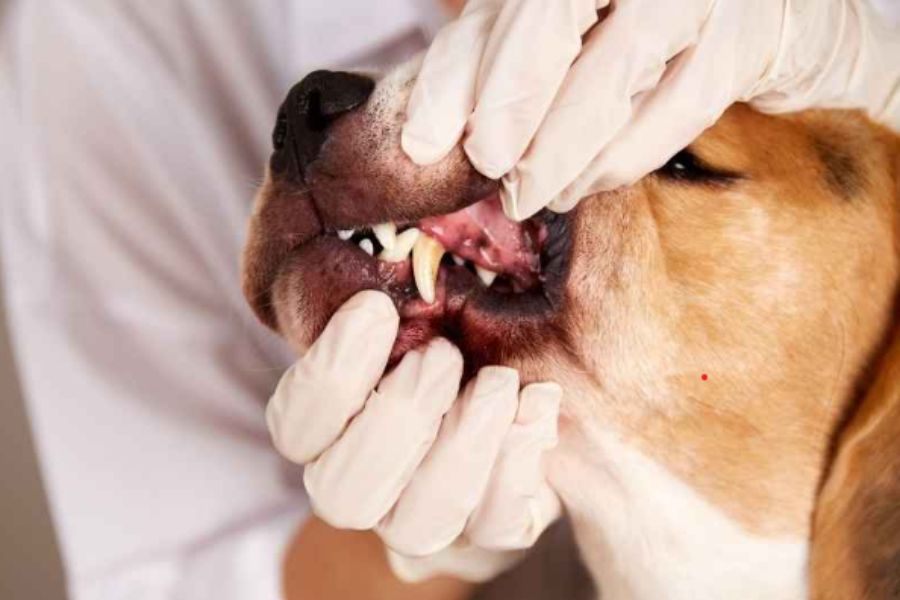
Some animals become quieter during play because chewing hurts. Cats might hide or groom less often. Owners who check the mouth weekly can spot these clues early. Lift the lip gently and look along the gumline. Notice color changes, swelling, or dark deposits.
Young pets also benefit from observation. Baby teeth sometimes remain longer than expected. Crowded teeth trap food and bacteria. Senior pets face a higher risk of gum disease. Regular checks at home support earlier care decisions and calmer clinic visits.
Daily Habits That Protect Teeth
Daily habits shape long-term comfort for dogs and cats. Brushing a few times each week removes sticky buildup before it hardens. Pet-safe toothpaste and soft brushes make the routine easier. Many families start slowly, letting pets taste the paste, then touching the teeth for short moments. Consistent care supports strong gums and lasting pet dental health at home.
Dental chews, textured toys, and balanced diets also help reduce residue left after meals. Fresh water supports saliva flow, which naturally rinses the mouth. Owners living in busy city homes often keep pets indoors longer. Indoor animals chew less on natural materials, which makes routine care even more helpful.
Scheduling periodic professional cleanings allows deeper plaque removal and a closer look at hidden areas. Clinics can also guide owners on brushing tools, diet ideas, and safe chew options.
When Professional Dental Care Is Needed
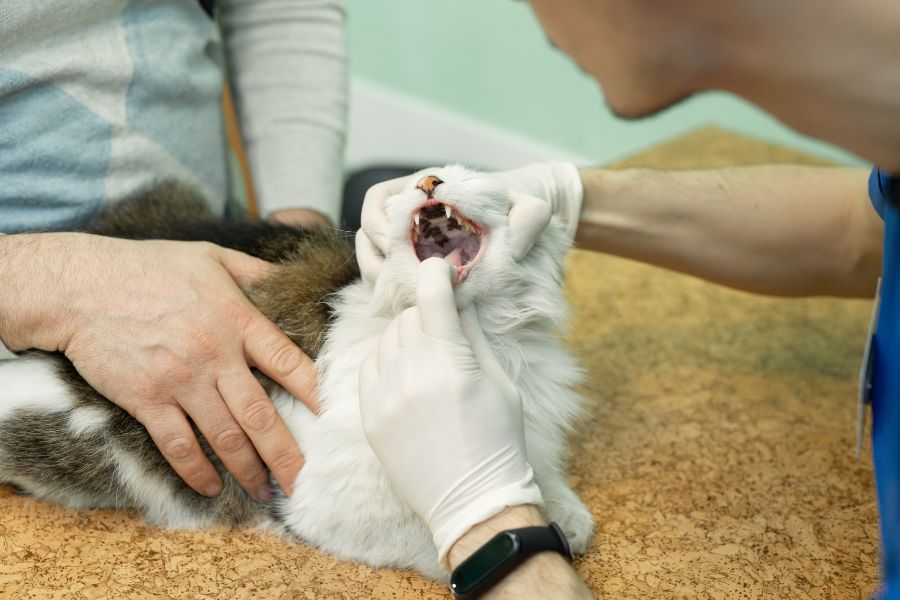
Some dental issues need clinic treatment. Thick tartar below the gumline, cracked teeth, deep infections, or severe redness require trained care. Cleanings under careful monitoring allow thorough plaque removal and detailed inspection.
X-rays may reveal hidden problems. Owners sometimes wait because pets still eat normally. Discomfort often remains unseen until damage spreads. Early appointments reduce pain and protect surrounding teeth.
A caring team can explain findings clearly and discuss treatment options. Owners who want to understand all available services can explore the hospital website to learn about wellness care, diagnostics, surgery, grooming, and other support offered for family pets.
Community pet owners often juggle work, travel, and family schedules. Quick routines like evening tooth checks, brushing after dinner, and offering textured chew toys fit easily into busy households. Small habits practiced daily protect smiles and reduce unexpected dental visits.
Conclusion
Caring for your pet’s teeth protects comfort, appetite, and playfulness. Simple brushing habits, smart treat choices, and timely cleanings keep small problems from growing.
We are conveniently located in Baltimore, MD, and welcome you to our facility at 46 E Sudbrook Ln, Baltimore, MD 21208—where compassionate care and community come together for your pet’s well-being. Book an appointment with Stevenson Village Veterinary Hospital.
Frequently Asked Questions(FAQs):
1. What is the easiest way to start brushing my pet’s teeth at home?
A: Start slowly with pet-safe toothpaste. Let your pet taste it first. Use a soft brush and clean a few teeth at a time. Gradually increase the brushing as comfort grows, and the routine becomes familiar.
2. How often should my pet receive a professional dental cleaning?
A: Most pets benefit from periodic dental evaluations during annual exams. The schedule depends on age, diet, and buildup risk. Your veterinarian may suggest earlier cleanings when plaque forms quickly or gums show irritation.
3. Are dental chews safe for dogs and cats?
A: Quality dental chews designed for pets help scrape soft plaque. Choose products sized for your pet and supervise chewing. Avoid very hard items that may crack teeth during strong bites.
4. What foods affect dental health the most?
A: Sticky treats, sugary leftovers, and soft table foods cling to teeth longer. Crunchy kibble, dental treats, and chew toys create mild friction that helps reduce residue after meals during daily eating.
5. Can bad breath mean a dental problem?
A: Yes. Persistent strong breath often signals bacteria buildup along the gums. It may appear before visible swelling or loose teeth. A dental exam identifies the cause and guides proper care.
6. Do kittens and puppies need dental care?
A: Early care builds lifelong habits. Gentle brushing, safe chew toys, and regular mouth checks help young pets accept handling. Clinics also monitor baby teeth and guide owners on healthy routines.