Aging is a natural part of every pet’s life, and with it comes new health and lifestyle challenges. Whether you have a senior dog or cat, understanding how aging affects your pet and how to support them with daily care can make a huge difference in their quality of life.
Let’s explore the common signs of aging and what you can do every day to help your pet age gracefully.
Recognizing Signs of Aging in Pets
Pets usually enter their senior stage around the age of 7, although the exact age can differ depending on the species and breed. By noticing the signs of aging early, you can adapt your care routine to better support their changing needs. For guidance on managing senior pet health, the team at an animal hospital in Baltimore can provide valuable insights and recommendations.
1. Mobility Changes
Older pets often experience joint stiffness, arthritis, or reduced activity. You might notice them hesitating to jump, climb stairs, or go for long walks.
2. Weight Fluctuations
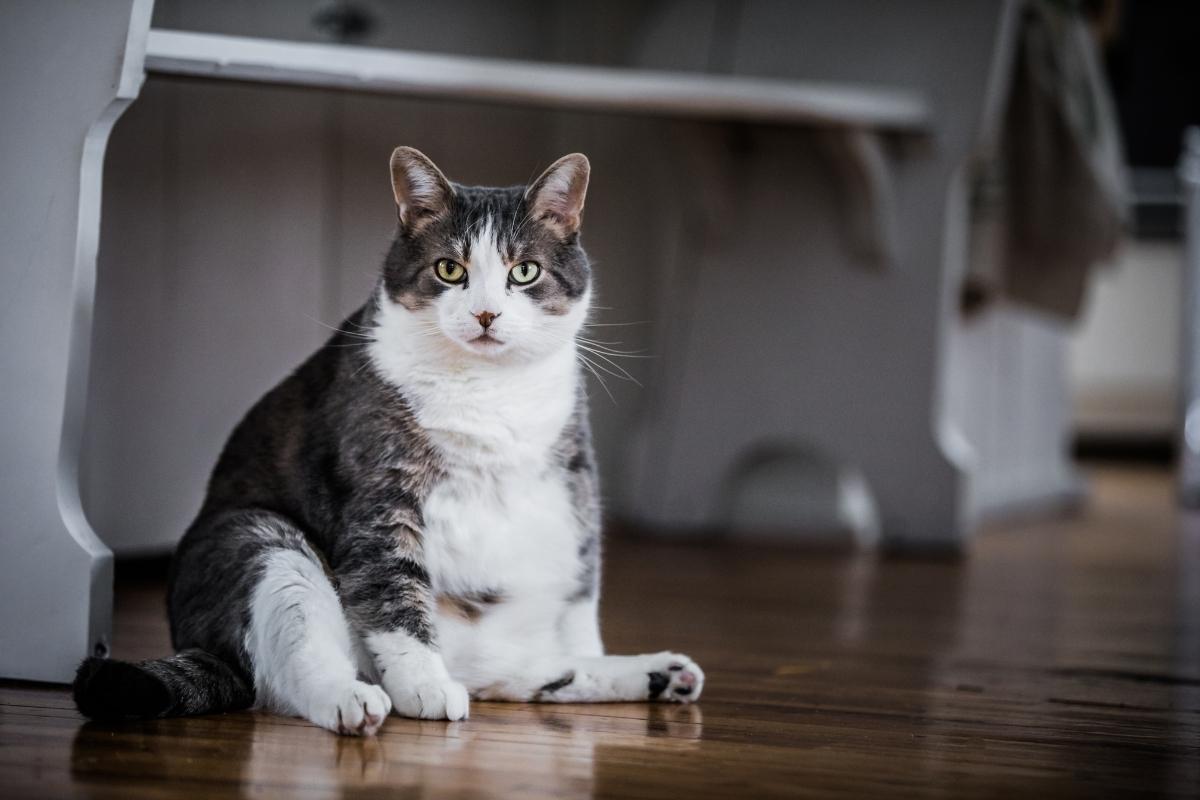
Metabolism slows with age, which can lead to either weight gain or weight loss. Weight changes may also signal underlying medical conditions.
3. Dental Issues
Dental disease is common in senior pets. Keep an eye out for signs like bad breath, a drop in appetite, excessive drooling, or trouble chewing.
4. Behavioral Changes
Cognitive decline can affect memory and behavior. Disorientation, altered sleep patterns, or house soiling may be early indicators of cognitive dysfunction.
5. Sensory Decline
Vision and hearing often decline with age. Pets might occasionally bump into things or appear to ignore familiar commands or sounds.
6. Increased Thirst or Urination
These symptoms can point to issues such as kidney disease, diabetes, or hormonal imbalances, which are more common in older pets.
Daily Care Tips for Senior Pet Wellness
Supporting an aging pet means adjusting routines and care to meet their changing physical and mental needs. Here are some effective ways to promote their well-being:
1. Schedule Regular Vet Checkups
Senior pets benefit from veterinary visits at least twice a year. Regular bloodwork and physical exams help detect conditions like arthritis, organ disease, or tumors early.
2. Provide a Balanced Senior Diet
Older pets need diets tailored to their stage of life. Senior pet foods are formulated to support joint health, cognitive function, and a healthy weight. Your vet can recommend the best diet based on your pet’s needs.
3. Maintain Dental Hygiene
Brush your pet’s teeth regularly and consider dental cleanings to prevent periodontal disease. Dental chews or water additives may also help.
4. Encourage Low-Impact Exercise
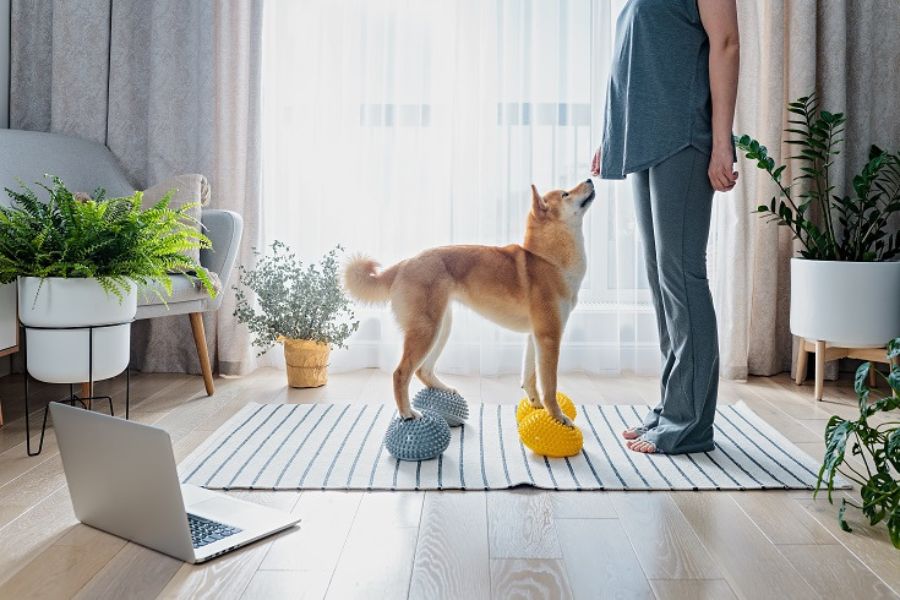
Even with reduced energy, pets still need movement. Short walks, indoor play sessions, or gentle stretching can keep their joints flexible and prevent obesity.
5. Create a Comfortable Living Space
Make your home senior-friendly by providing soft bedding, accessible food and water dishes, and non-slip rugs to help with mobility.
6. Monitor Behavior and Body Condition
Make sure to keep an eye on your pet’s eating habits, bathroom routines, energy levels, and overall mood. Sudden changes often signal the need for veterinary attention.
7. Offer Mental Stimulation
Keep your pet’s mind active with food puzzles, training exercises, or new toys. Mental engagement helps slow cognitive decline.
8. Support Joint and Bone Health
Talk to your vet about supplements such as glucosamine, chondroitin, or omega-3 fatty acids, which can support joint health and reduce inflammation.
When to Seek Veterinary Advice
Some signs may appear subtle but indicate serious problems. Contact your veterinarian if your senior pet:
- Stop eating or drinking
- Experiences difficulty breathing
- Has persistent vomiting or diarrhea
- Look for signs that your pet might be in pain, like limping or whining
- Displays dramatic behavioral changes
Prompt attention can lead to early treatment and better outcomes.
Caring for a senior pet requires patience, close observation, and personalized attention. By recognizing the physical and behavioral changes that come with age and adjusting their daily routine, you can ensure your furry friend stays healthy and comfortable. With the right senior pet care in Baltimore, aging pets can continue to lead joyful, active lives while staying closely bonded with the family they cherish.