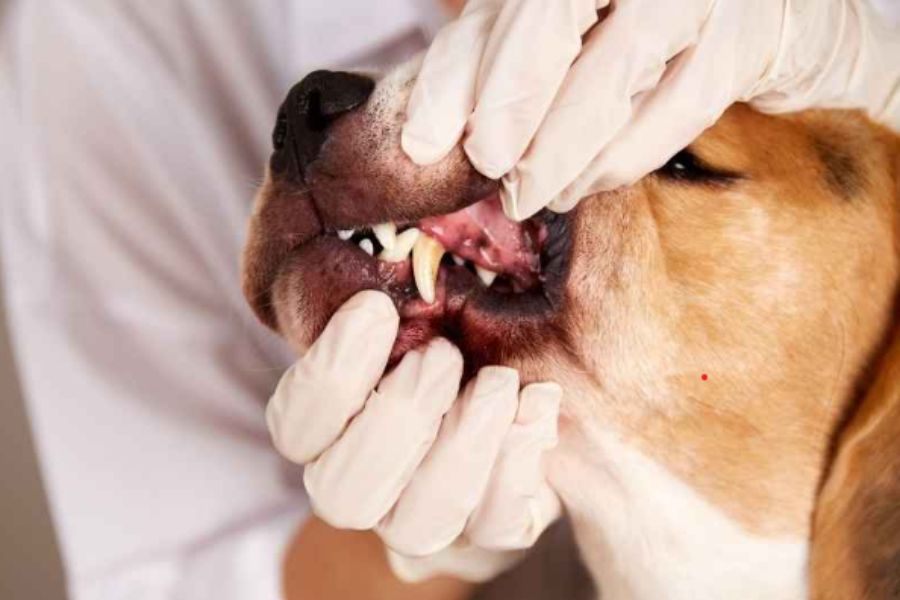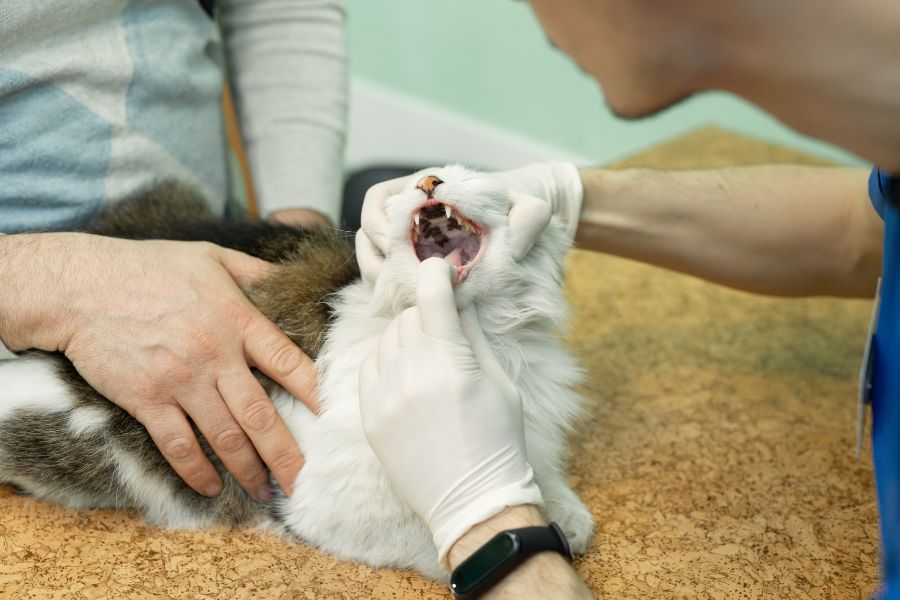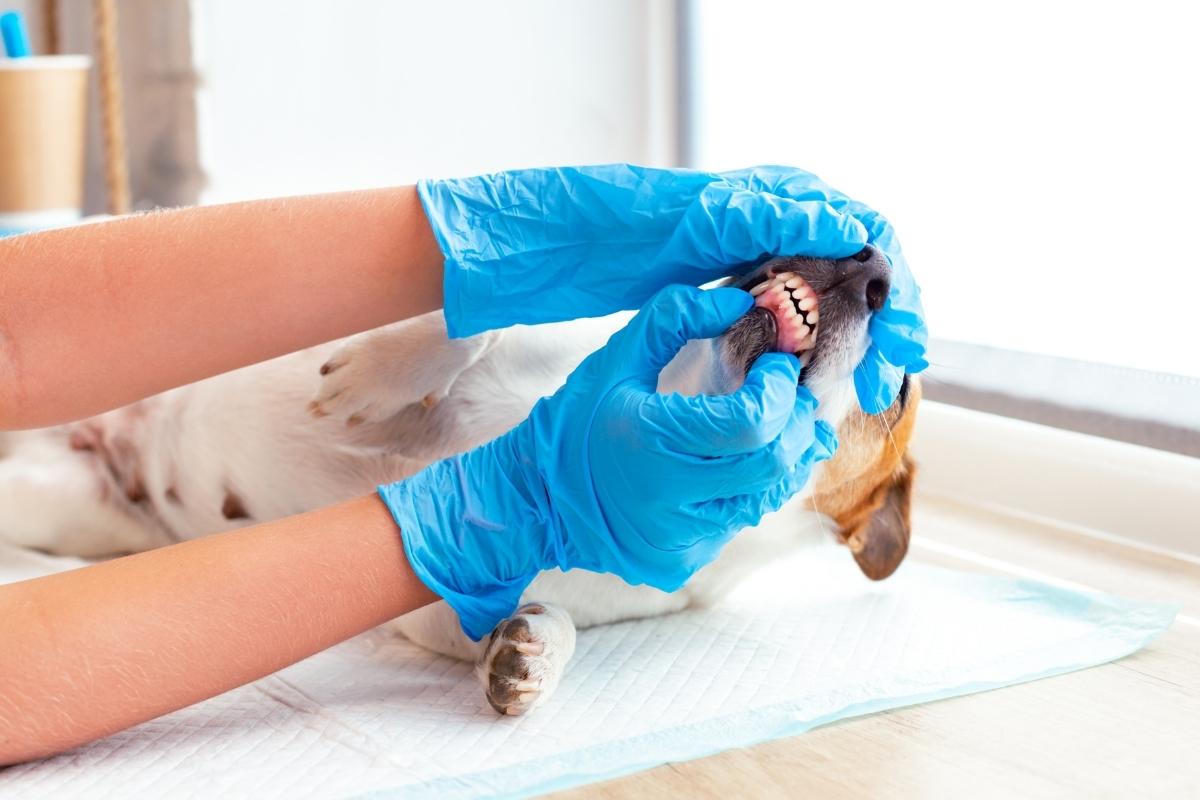
Dental disease is one of the most common health problems seen in pets, yet many signs often go unnoticed until the condition becomes painful or severe. Just like humans, dogs and cats can develop plaque buildup, gum disease, tooth decay, and painful dental infections that affect their overall health and quality of life.
A dental infection is more than just bad breath. Left untreated, oral bacteria can spread throughout the body and contribute to serious health issues involving the heart, kidneys, and liver. Recognizing the early warning signs can help your pet receive treatment before the condition worsens.
At Stevenson Village Veterinary Hospital, we provide compassionate and advanced pet dentistry in Baltimore to help pets maintain healthy teeth and gums for life. Here are seven important signs your pet may have a dental infection and why prompt veterinary care matters.
1. Persistent Bad Breath
Many pet owners assume bad breath is normal in dogs and cats, but strong or foul-smelling breath is often one of the earliest indicators of dental disease or infection.
If your pet’s breath suddenly becomes unusually unpleasant, it may be caused by:
- Bacteria buildup in the mouth
- Infected gums
- Tooth decay
- Abscessed teeth
- Advanced periodontal disease
A professional oral examination can identify the underlying issue before it becomes more painful and costly to treat.
2. Red, Swollen, or Bleeding Gums
Healthy gums should appear pink and firm. Inflamed, swollen, or bleeding gums are signs that bacteria and plaque are irritating the gum tissue.
You may notice:
- Redness around the teeth
- Bleeding while chewing toys or food
- Sensitivity when touching the mouth
- Gum recession
These symptoms often indicate gingivitis or periodontal disease, which can progress into painful dental infections if left untreated.
Routine dental evaluations and cleanings are essential for maintaining good oral health and preventing severe infections.
3. Difficulty Eating or Loss of Appetite
Pets with dental pain may struggle to chew their food comfortably. Some pets continue eating despite pain, while others avoid food entirely.
Watch for behaviors such as:
- Dropping food while eating
- Chewing on only one side of the mouth
- Avoiding hard kibble or treats
- Reduced appetite
- Weight loss
Painful teeth or infected gums can make eating extremely uncomfortable. If your pet suddenly changes eating habits, dental disease may be the cause.
4. Excessive Drooling
While some breeds naturally drool more than others, sudden or excessive drooling can be a warning sign of oral discomfort or infection.
You may also notice:
- Thick saliva
- Blood-tinged drool
- Pawing at the mouth
- Wet fur around the face
Dental abscesses, gum inflammation, or broken teeth can all trigger increased drooling. A veterinary dental examination can determine the source of discomfort and help relieve your pet’s pain.
5. Loose, Broken, or Discolored Teeth
Damaged teeth are not only painful but also highly susceptible to infection. Adult pets should not have loose teeth, so if you notice tooth movement or missing teeth, immediate veterinary attention is recommended.
Signs to look for include:
- Yellow or brown tartar buildup
- Cracked teeth
- Loose teeth
- Darkened or discolored teeth
- Missing teeth
Broken teeth expose sensitive inner structures that allow bacteria to enter and cause infections beneath the gumline.
At Stevenson Village Veterinary Hospital, our team provides thorough dental assessments and treatment plans tailored to your pet’s needs.
6. Facial Swelling or Pawing at the Face
A dental abscess can cause swelling around the face, jaw, or beneath the eyes. This occurs when infection spreads deep into the tooth root and surrounding tissues.
Pets experiencing dental pain may also:
- Rub their face on furniture
- Paw at their mouth repeatedly
- Avoid being touched around the head
- Whine or become irritable
Facial swelling should never be ignored, as untreated infections can spread quickly and become serious.
7. Behavioral Changes
Dental infections can significantly impact your pet’s comfort and mood. Pets in pain often display subtle behavioral changes that owners may not immediately connect to oral health problems.
Common changes include:
- Increased irritability
- Hiding more frequently
- Reduced activity levels
- Reluctance to play
- Difficulty sleeping comfortably
Because pets cannot verbally express pain, these behavioral clues are often important indicators that something is wrong.
Why Dental Health Matters for Overall Pet Wellness
Dental infections affect more than just the mouth. Oral bacteria can enter the bloodstream and potentially impact vital organs, including:
- Heart
- Kidneys
- Liver
Chronic dental disease can also cause long-term pain and reduce your pet’s quality of life. Preventive dental care helps protect both oral and overall health.
Professional dental cleanings remove plaque and tartar buildup that brushing alone cannot eliminate. Regular exams also allow veterinarians to detect issues early before they become severe.
Why Baltimore Pet Owners Choose Stevenson Village Veterinary Hospital for Pet Dentistry
When it comes to pet dentistry in Baltimore, pet owners want experienced, compassionate care they can trust. Stevenson Village Veterinary Hospital is committed to helping pets maintain healthy smiles through personalized dental services and preventive care.
Our hospital offers:
- Comprehensive oral examinations
- Professional dental cleanings
- Digital dental radiographs
- Tooth extractions when necessary
- Pain management and anesthesia monitoring
- Customized dental care recommendations
We understand that every pet has unique dental needs, and our team works closely with pet owners to create treatment plans focused on long-term health and comfort.
Baltimore pet owners choose Stevenson Village Veterinary Hospital because we prioritize:
- Compassionate veterinary care
- Advanced dental technology
- Patient safety
- Clear communication with pet families
- Preventive wellness education
Whether your pet needs a routine cleaning or treatment for advanced dental disease, our veterinary team is here to help.
How to Prevent Dental Infections in Pets
Preventive care plays a major role in reducing the risk of dental disease and infection.
Helpful dental care tips include:
- Brushing your pet’s teeth regularly
- Scheduling routine veterinary dental exams
- Providing veterinarian-approved dental chews
- Feeding dental-support diets if recommended
- Monitoring for early signs of oral discomfort
Even pets with good home care still benefit from professional dental cleanings and examinations.
When to Schedule a Veterinary Dental Exam
If your pet is showing any signs of dental discomfort, it’s important not to wait. Early treatment can prevent more serious complications and help your pet feel comfortable again.
Signs that require prompt veterinary attention include:
- Bad breath
- Swollen or bleeding gums
- Difficulty eating
- Facial swelling
- Loose or broken teeth
- Excessive drooling
Dental disease is progressive, meaning it will continue to worsen without treatment.
Protect Your Pet’s Smile with Expert Dental Care
Your pet’s oral health is an important part of their overall well-being. Recognizing the warning signs of dental infection early can help prevent pain, tooth loss, and serious health complications.
If your pet is experiencing symptoms of dental disease, now is the time to seek professional care. Stevenson Village Veterinary Hospital proudly provides trusted pet dentistry in Baltimore to help dogs and cats enjoy healthier, happier lives.
Book an appointment with our animal hospital today to schedule a dental examination and give your pet the quality dental care they deserve.
FAQs
1. How common are dental infections in pets?
Ans: Dental disease is extremely common in both dogs and cats, especially as they age. Many pets develop some form of periodontal disease by the age of three.
2. Can bad breath alone indicate a dental infection?
Ans: Yes. Persistent foul-smelling breath is often an early sign of dental disease, infection, or gum inflammation.
3. How often should pets receive professional dental cleanings?
Ans: The frequency varies depending on your pet’s age, breed, and oral health condition. Many pets benefit from annual dental cleanings, but your veterinarian may recommend more frequent care.
4. Are dental infections painful for pets?
Ans: Yes. Dental infections can cause significant pain and discomfort, even if pets try to hide their symptoms.
5. What happens during a professional pet dental cleaning?
Ans: Professional cleanings typically include a full oral examination, tartar removal, polishing, dental X-rays, and treatment for any identified dental issues.
6. Can dental disease affect my pet’s overall health?
Ans: Absolutely. Oral bacteria from untreated dental infections can spread to major organs and contribute to serious health complications over time.