Cats are remarkably good at hiding discomfort. A cat with a painful tooth may continue eating, sleeping, and interacting normally for quite some time. This can make dental problems difficult for pet owners to recognize. Small changes in behavior, eating habits, grooming, or mouth sensitivity may be the first clues that something is wrong.
Good cat dental care starts with knowing what to watch for. Dental disease can affect the teeth, gums, and structures beneath the gumline, and some problems may not be obvious during a casual look at your cat’s mouth.
If you notice a change in your cat’s normal routine, paying attention early can help you identify potential oral health concerns before they become more complicated.
1. Your Cat Has Persistent Bad Breath
Occasional changes in breath after eating are not necessarily concerning. However, consistently strong or unpleasant breath can be a sign of plaque buildup, gum inflammation, periodontal disease, or another oral health problem.
Cats cannot tell you that their mouth hurts, so changes in breath can provide an important clue. A sudden or persistent odor should not simply be considered normal “cat breath.”
During regular pet dentistry visits, a veterinarian can examine your cat’s teeth and gums to determine whether the odor is related to dental disease or another health concern.
2. Eating Habits Suddenly Change
One of the most noticeable signs of dental discomfort can be a change in the way your cat eats. Your cat may still approach the food bowl but behave differently once they begin eating.
Watch for signs such as:
- Eating more slowly than usual
- Dropping pieces of food
- Chewing primarily on one side
- Hesitating before eating
- Choosing softer food over dry food
- Walking away from food after approaching the bowl
- Taking longer than usual to finish a meal
Cats may adjust how they eat to avoid putting pressure on a painful tooth or irritated gum. These changes can be subtle, so knowing your cat’s normal eating routine is important.
3. Excessive Drooling or Pawing at the Mouth
Cats do not typically drool heavily on a regular basis. If your cat suddenly develops excessive drooling, wet fur around the mouth, or unusual saliva, oral discomfort may be involved.
You may also notice your cat repeatedly pawing at their mouth or rubbing their face against objects. These behaviors can indicate that something inside the mouth is uncomfortable.
Do not repeatedly force your cat’s mouth open to investigate. A painful cat may become frightened or defensive when the affected area is touched. Instead, make note of the change and have the mouth evaluated by a veterinarian.
4. Your Cat’s Gums Look Red or Inflamed
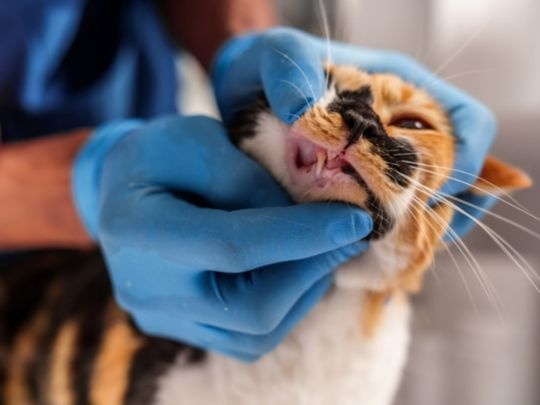
Healthy gums generally appear pink and firm. Redness, swelling, bleeding, or irritation around the gumline can indicate an oral health problem.
You may also notice yellow or brown tartar deposits on the teeth. Tartar is hardened buildup that cannot simply be brushed away once it has accumulated. It can provide a surface where bacteria continue to collect and may contribute to gum disease.
Regular oral examinations are an important part of cat dental care because some dental problems develop below the gumline and cannot be identified by simply looking at the visible portion of a tooth.
5. Your Cat Becomes Withdrawn or Stops Grooming
Behavioral changes can be easy to overlook. A cat experiencing dental discomfort may become less social, hide more often, avoid being touched around the face, or lose interest in activities they normally enjoy.
You may also notice changes in grooming. Cats rely heavily on their mouths and teeth during grooming, so oral discomfort can make normal grooming less comfortable. Over time, the coat may appear less neat or become matted.
A normally affectionate cat that suddenly prefers to stay alone deserves closer attention. Behavioral changes do not always mean dental pain, but they are worth discussing with a veterinarian when they occur alongside eating or mouth-related changes.
Why Cats Can Hide Dental Problems
Cats have a natural tendency to conceal signs of discomfort. As a result, a cat may have significant dental disease without crying or showing an obvious reaction.
Dental problems can involve the gums, tooth surfaces, tooth roots, or tissues underneath the gumline. A visual inspection at home may therefore provide only limited information. Professional dental evaluation can help identify problems that are difficult to see.
This is why pet owners should pay attention to gradual changes rather than waiting for dramatic symptoms. Changes in appetite, breath, grooming, behavior, or saliva can all provide useful information.
How Pet Dentistry Can Help
A veterinary dental examination typically begins with an assessment of the mouth, teeth, gums, and surrounding tissues. Depending on what is found, your veterinarian may recommend professional cleaning, dental imaging, or other appropriate treatment.
Professional pet dentistry can address problems that cannot be managed through brushing alone. Dental care may also include recommendations for an at-home oral hygiene routine tailored to your cat.
At home, you can support your cat’s oral health by following your veterinarian’s recommendations, using only cat-safe dental products, and observing the mouth regularly when your cat is relaxed.
If you notice persistent bad breath, changes in eating, excessive drooling, mouth sensitivity, or behavioral changes, do not ignore them. A timely dental evaluation can help determine whether dental disease is contributing to your cat’s discomfort.
When Should You Contact a Veterinarian?
Not every change in your cat’s behavior is caused by dental disease. However, multiple symptoms occurring together deserve professional attention.
Consider contacting a veterinarian near you if your cat develops persistent bad breath, difficulty eating, unusual drooling, red or swollen gums, loose teeth, or noticeable changes in behavior. Facial swelling, significant bleeding, or an inability to eat or drink should also be evaluated promptly.
For pet owners in Baltimore, recognizing these signs can help you make informed decisions about your cat’s oral health and overall well-being.
Protect Your Cat’s Oral Health
Dental pain is not always obvious in cats. Small changes in eating, grooming, breath, behavior, or mouth-related habits may be the first indication of an underlying problem. Recognizing these signs early can help your cat receive appropriate care and maintain better oral health.
If you have noticed changes in your cat’s mouth or daily routine, schedule an appointment with our veterinary hospital for an evaluation. For trusted cat dental care and veterinary guidance in Baltimore, Stevenson Village Veterinary Hospital can help you understand your cat’s dental needs and determine appropriate next steps.
Frequently Asked Questions
1. How can I tell if my cat’s teeth hurt?
Ans: Look for changes such as slower eating, dropping food, chewing differently, excessive drooling, pawing at the mouth, bad breath, reduced grooming, hiding, or sensitivity around the face.
2. Is bad breath normal in cats?
Ans: Persistent strong breath is not something to ignore. It can be associated with plaque, tartar, gum disease, or other oral health concerns. A veterinary examination can help identify the underlying cause.
3. Can dental pain cause a cat to stop eating?
Ans: Yes. Pain can make chewing uncomfortable, causing some cats to eat less, choose softer foods, drop food, or avoid meals. A noticeable change in eating habits should be discussed with a veterinarian.
4. How often should my cat have a dental examination?
Ans: The appropriate frequency depends on your cat’s age, dental history, oral health, and individual risk factors. Your veterinarian can recommend a schedule based on your cat’s needs.
5. Can I check my cat’s teeth at home?
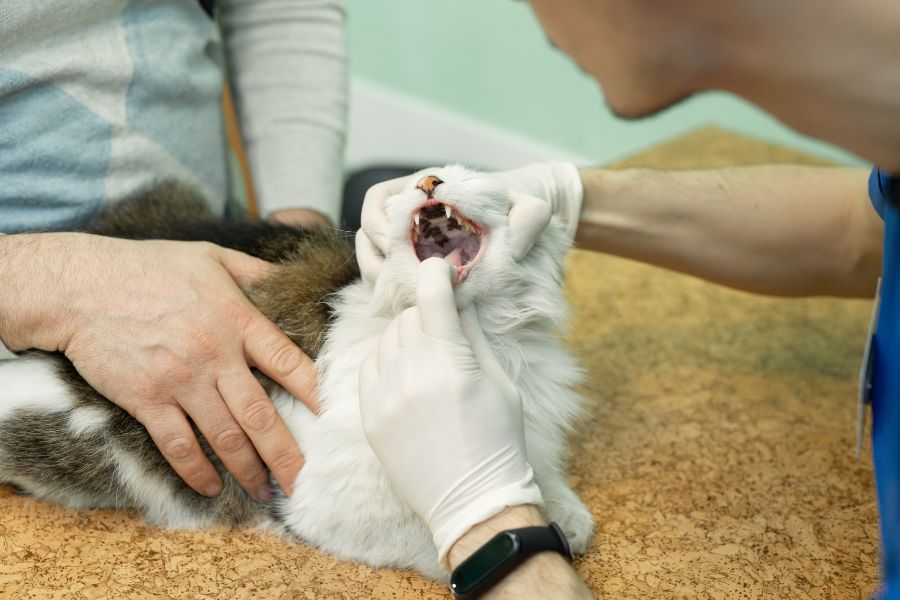
Ans: You can gently observe your cat’s teeth and gums when your cat is calm, but do not force the mouth open or repeatedly touch a painful area. Look for tartar, redness, swelling, broken teeth, or unusual odor.
6. Does professional dental care replace home dental care?
Ans: No. Professional care and appropriate home care work together. Your veterinarian can recommend safe brushing techniques and dental products to help maintain your cat’s oral health between examinations.