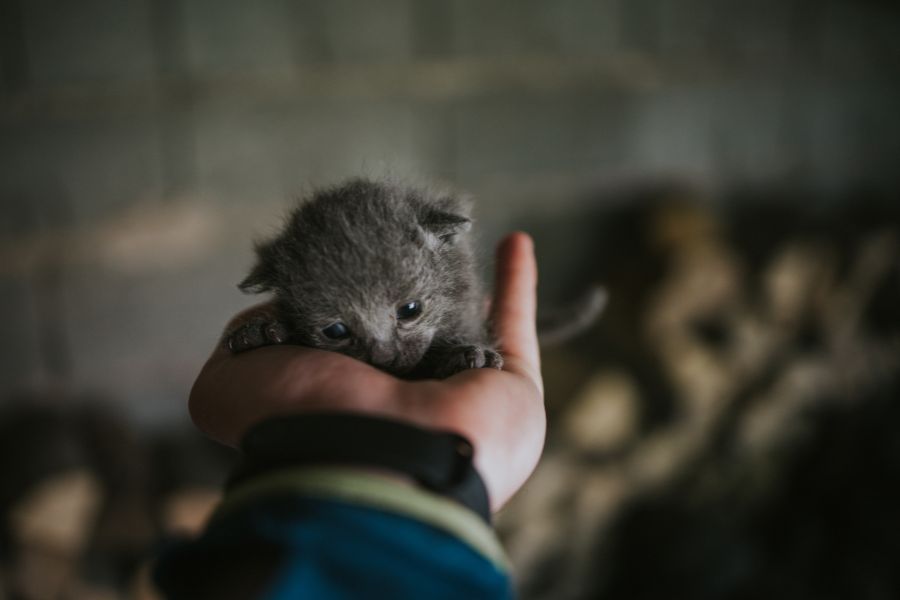
Many new cat owners wonder how quickly their pets will mature and when cats stop growing. While every feline is unique, there are predictable growth phases that most cats follow. By understanding these stages, pet parents can ensure proper nutrition, care, and support throughout their cat’s early development.
Although growth varies by breed, environment, and genetics, a general timeline has been widely recognized and can help guide expectations.
The Newborn Phase (0–2 Weeks): A Period of Rapid Early Change
During the first two weeks, kittens undergo some of the most dramatic physical changes of their lives. Their eyes and ears remain closed, and movement is limited. However, growth happens rapidly beneath the surface, as weight nearly doubles by the end of the second week.
During this stage, kittens are completely dependent on their mother for warmth and nourishment. Because growth happens quietly yet quickly, this period plays a crucial role in future development. Even though the question of when cats stop growing is often asked by new owners, the journey truly begins right here.
The Transitional Phase (2–4 Weeks): Opening Up to the World
By the second to fourth week, a kitten’s senses begin to awaken. Eyes open, hearing sharpens, and attempts at wobbling steps become more common. Social skills start forming during this stage, as kittens begin to explore their surroundings and interact with littermates.
Although their bodies remain quite fragile, the rate of development stays steady. Coordination slowly improves, and curiosity increases. Owners who observe this stage closely often marvel at how quickly growth occurs, leading many to wonder again when cats stop growing, as the changes seem endless.
The Socialization Phase (4–12 Weeks): Learning Through Play
Between four and twelve weeks, kittens begin to look more like miniature versions of adult cats. Their personalities emerge, playful instincts increase, and coordination becomes sharper.
During this time:
- Teeth erupt.
- Solid food is introduced.
- Boundaries and behaviors are learned through play.
This phase is crucial for shaping a kitten’s lifelong social confidence. Positive interactions with people, other animals, and new environments are beneficial. As muscle strength and agility quickly develop, owners notice just how rapidly kittens gain size and independence. This stage is often when the question of when cats stop growing becomes more relevant, as the visible transformation is significant.
The Juvenile Phase (3–6 Months): A Time of Exploration
From three to six months, kittens enter what can be compared to a toddler stage. Growth happens at a slightly slower pace, yet the body continues to lengthen and strengthen. Play becomes more energetic, curiosity peaks, and a mischievous streak may be observed.
Nutrition plays a large role in healthy growth during this period. High-quality kitten food ensures that bones, muscles, and organs develop properly. Even though physical maturity begins to approach, the answer to when do cats stop growing is not reached yet, as several months of development remain.
If any concerns arise during these stages, a Baltimore veterinarian may be consulted for individualized guidance.
The Adolescent Phase (6–12 Months): Approaching Adult Size
As kittens near six months of age, they begin transitioning into adolescence. Many cats reach close to their adult height during this period. Body proportions start to settle, and behaviors shift gradually toward adulthood.
However, growth does not completely stop. Most cats continue adding muscle, coordination, and weight. This stage also includes sexual maturity for many felines, which means spaying or neutering is often recommended.
Even as they look nearly full-sized, the question of when cats stop growing still applies, since internal development continues well into their first year.
Young Adult Phase (12–18 Months): Finalizing Physical Maturity
Most standard domestic cats reach their full size between 12 and 18 months. The answer to when do cats stop growing for many breeds falls within this window. Muscle tone shapes up, and energy levels become more predictable. Growth plates in the bones also close, marking the end of major physical development.
However, certain breeds—including Maine Coons, Ragdolls, and Norwegian Forest Cats—may continue growing for up to three or four years. Thus, breed-specific variations play a significant role in overall growth patterns.
Factors That Influence Cat Growth
Although growth phases are relatively consistent, several factors impact how quickly a cat matures:
1. Genetics
Some breeds naturally grow more slowly and reach larger adult sizes.
2. Nutrition
High-quality kitten food supports balanced development. Poor nutrition may delay growth or cause health concerns.
3. Health Conditions
Parasites, infections, and congenital issues can slow growth if not addressed promptly.
4. Spaying and Neutering
Cats altered early may grow slightly taller due to delayed closure of growth plates, though the difference is typically mild.
5. Environment
Stress-free surroundings and proper stimulation promote healthy development.
Understanding these influences can help owners make informed decisions throughout the first year of life.
When Do Cats Reach Emotional Maturity?
While physical growth ends earlier, emotional development takes longer. Many cats continue maturing behaviorally until two to four years of age. Independent tendencies, social behaviors, and temperament become more stable over time.
How Owners Can Support Healthy Growth
Because growth phases differ from one kitten to another, supportive care is essential:
- Provide proper kitten-formulated food until at least 12 months.
- Schedule timely veterinary visits.
- Encourage play that builds strength and coordination.
- Offer social experiences in safe environments.
- Maintain consistent routines to reduce stress.
By ensuring these basics, a strong foundation for lifelong health and behavior is created.
Frequently Asked Questions
1. When do kittens typically reach their full adult size?
A: Most cats reach full size between 12 and 18 months, though larger breeds may grow for several years.
2. Does diet affect how fast a cat grows?
A: Yes. A balanced, nutrient-dense diet is essential for healthy bone, muscle, and organ development.
3. When do cats stop growing mentally and emotionally?
A: Emotional maturity may take up to 2–4 years, depending on the cat’s personality and environment.
4. Can early spaying or neutering affect growth?
A: Growth plates may close slightly later, leading to a slightly taller adult cat, though the overall impact is minimal.
5. Do all breeds grow at the same rate?
A: No. Breeds like Maine Coons or Ragdolls grow more slowly and reach full size much later than average domestic cats.