Cancer is a word no pet owner wants to hear, yet early awareness saves lives.
Neoplasia in Dogs refers to abnormal cell growth that can form tumors, some harmless and others life-threatening. Dogs often hide pain and discomfort, so visible changes may appear late in the disease process.
This guide explains the most common warning signs pet owners notice at home, why these signs matter, and when to seek veterinary care. Understanding these clues helps owners act with confidence, avoid delays, and support better outcomes for their dogs.
Understanding Neoplasia in Dogs
Neoplasia describes uncontrolled cell growth. These cells may form benign masses that grow slowly or malignant tumors that spread to other tissues. Cancer can affect the skin, organs, bones, blood, or glands. Age increases risk, yet young dogs also develop cancer.
Genetics, environment, and overall health all play a role. Early detection allows more treatment options and often improves quality of life.
Why Early Detection Matters
Cancer treatment depends on stage and location. Smaller tumors are easier to remove. Early therapy reduces pain and limits the spread. Dogs diagnosed early often live longer and feel better during treatment. Pet owners serve as the first line of defense because they see daily changes that exams may miss.
Common Physical Signs Pet Owners Notice
1. Unusual Lumps or Swellings
A new lump under the skin deserves attention. Some lumps feel soft and move easily, others feel firm or fixed. Size changes over weeks raise concern. Not every lump means cancer, yet every new mass needs a veterinary check.
2. Sores That Do Not Heal
Wounds that linger for weeks signal trouble. Persistent sores may bleed, ooze, or scab without healing. Oral sores often cause drooling or bad breath. These signs call for prompt evaluation.
3. Weight Loss Without Diet Changes
Sudden weight loss without reduced food intake suggests an internal disease. Cancer alters metabolism and appetite. Muscle loss may appear along the spine or hips.
4. Loss of Appetite or Trouble Eating
Dogs may avoid food, eat slowly, or drop food from their mouth. Tumors in the mouth, throat, or stomach often cause these changes. Pain during chewing leads to selective eating.
5. Bleeding or Discharge
Unexplained bleeding from the nose, mouth, or urinary tract needs attention. Discharge with a strong odor or unusual color also raises concern.
Behavioral and Subtle Changes
1. Lethargy and Reduced Activity
A dog that once loved walks may rest more or avoid play. Fatigue often accompanies cancer due to pain, anemia, or organ strain.
2. Changes in Bathroom Habits
Straining to urinate or defecate suggests tumors affecting the bladder, prostate, or intestines. Blood in urine or stool is never normal.
3. Breathing Difficulties
Coughing, rapid breathing, or labored breathing may signal tumors in the chest or lungs. These signs often worsen with activity.
Internal Signs That Require Veterinary Attention
1. Persistent Pain or Lameness
Limping without injury may relate to bone tumors or nerve involvement. Pain may shift locations or fail to improve with rest.
2. Abdominal Swelling
A swollen belly may indicate fluid buildup or organ enlargement. This sign often appears with internal tumors and needs urgent care.
3. Seizures or Neurologic Changes
Tumors affecting the brain cause seizures, disorientation, or behavior changes. Sudden-onset seizures in adult dogs deserve immediate evaluation.
When to Seek Veterinary Care
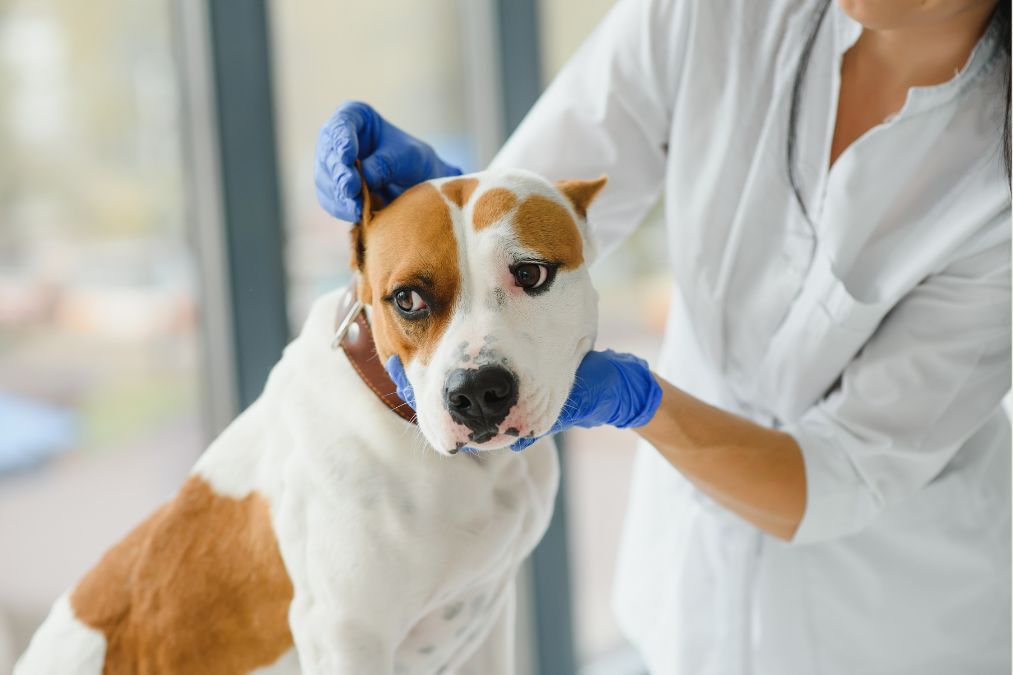
Any new or worsening sign lasting more than a few days requires attention. Rapid changes demand urgent care. Early exams include physical checks, imaging, blood tests, and biopsies when needed. Diagnosis allows informed decisions and planning.
Supporting Your Dog After Diagnosis
A cancer diagnosis brings many emotions. Veterinary teams guide owners through options such as surgery, chemotherapy, radiation, or comfort care. Pain control, nutrition, and monitoring improve daily comfort. Open communication helps align care with family goals.
Your dog depends on you to notice changes and act. If you see any signs discussed here or have concerns about neoplasia in dogs, schedule an appointment with us. Early evaluation protects your dog’s comfort, health, and time with your family.
Frequently Asked Questions(FAQs):
1. What causes cancer in dogs?
A: Genetics, age, environmental exposure, and chronic inflammation all contribute. Many cases have no single cause.
2. Are all tumors cancerous?
A: No. Benign tumors grow slowly and do not spread. Only testing confirms the type.
3. How common is cancer in dogs?
A: Cancer affects many dogs, especially seniors. Early checks increase detection rates.
4. Can diet prevent cancer?
A: No diet prevents cancer, yet balanced nutrition supports immune health and recovery.
5. How fast do tumors grow?
A: Growth rate varies. Some grow over years, others over weeks. Any change needs review.