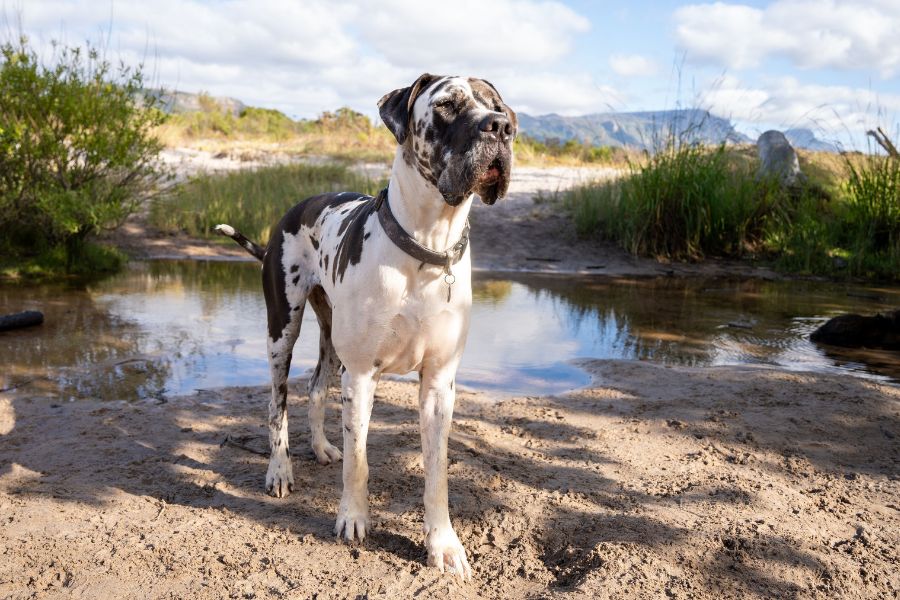
Owning a Great Dane means sharing your life with one of the most gentle and loyal dog breeds in the world. Their size, personality, and presence make them unforgettable companions. But one concern many owners face is the life expectancy of Great Dane dogs, which is shorter than that of smaller breeds.
The good news is that while genetics play a role, daily care choices have a strong impact on how long and how well your dog lives. This guide walks you through practical, natural ways to support your Great Dane’s health, extend their lifespan, and improve their quality of life.
Understanding the Life Expectancy of Great Dane Dogs
The average life expectancy of Great Dane dogs ranges from 7 to 10 years. Some may live longer with excellent care, while others may face health challenges earlier.
Why Is Their Lifespan Shorter?
Great Danes are a giant breed, and larger dogs tend to age faster. Their rapid growth puts extra strain on the body, especially the heart and joints. Common health concerns include:
- Heart disease (such as dilated cardiomyopathy)
- Joint issues like hip dysplasia
- Bloat (gastric dilatation-volvulus)
- Arthritis in later years
While these risks sound serious, many can be managed or reduced with the right approach.
Build a Strong Foundation with Proper Nutrition
Nutrition is one of the most powerful tools to improve the life expectancy of Great Dane dogs.
1. Choose High-Quality, Balanced Food
Feed your Great Dane a diet that includes:
- High-quality protein for muscle maintenance
- Healthy fats for energy and coat health
- Controlled calcium and phosphorus levels for bone support
Avoid overfeeding. Excess weight puts pressure on joints and increases the risk of heart problems.
2. Feed Smaller, Frequent Meals
Great Danes are prone to bloat, which can be life-threatening. Reduce risk by:
- Feeding 2–3 smaller meals per day
- Avoiding exercise right after eating
- Using slow-feeder bowls if your dog eats quickly
Maintain a Healthy Weight
Keeping your dog at an ideal weight directly supports a longer lifespan.
Signs Your Great Dane Is at a Healthy Weight:
- You can feel the ribs without pressing hard
- The waist is visible from above
- The belly tucks up from the side
Extra weight may seem minor, but it can shorten the life expectancy of Great Dane dogs by increasing stress on the heart and joints.
Provide Regular, Low-Impact Exercise
Exercise helps maintain muscle strength, joint flexibility, and heart health.
Best Exercise Types for Great Danes
- Daily walks (30–60 minutes)
- Gentle play sessions
- Swimming (excellent for joint support)
Avoid intense running or jumping, especially during puppy growth stages. Overexertion can damage developing joints.
Support Joint Health Early
Joint care should start when your Great Dane is young.
Natural Joint Support Strategies
- Provide orthopedic bedding
- Use joint supplements (like glucosamine and chondroitin, if recommended by your vet)
- Keep nails trimmed to improve posture and movement
Joint problems can reduce mobility and affect the life expectancy of Great Dane dogs, so prevention is key.
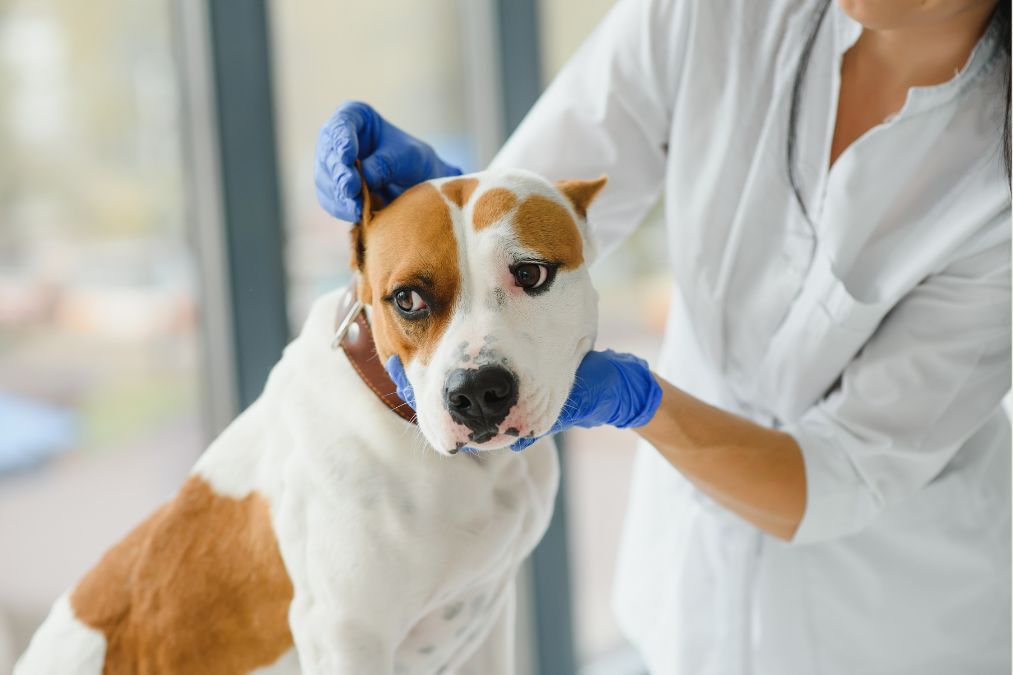
Schedule Routine Veterinary Care
Even with natural care methods, veterinary guidance is essential.
Regular check-ups help:
- Detect health issues early
- Monitor heart health
- Update vaccinations and preventive care
If you notice changes in appetite, energy, or behavior, it’s best to visit our website to learn more about available veterinary services and when to seek care.
Prevent Bloat with Smart Habits
Bloat is one of the leading causes of sudden death in Great Danes.
How to Reduce the Risk
- Avoid raised food bowls unless advised by your vet
- Prevent rapid eating
- Keep your dog calm before and after meals
- Know the signs: restlessness, swollen abdomen, unproductive vomiting
Quick action can save your dog’s life.
Prioritize Heart Health
Heart disease is common in large breeds and can affect the life expectancy of Great Dane dogs.
Natural Ways to Support Heart Function
- Feed a balanced diet rich in nutrients
- Maintain a healthy weight
- Keep up with routine vet screenings
Some dogs may benefit from specific supplements, but always consult your veterinarian first.
Create a Low-Stress Environment
Stress impacts both physical and emotional health.
Ways to Reduce Stress
- Keep a consistent daily routine
- Provide mental stimulation with toys and training
- Offer a quiet, comfortable resting space
A calm environment supports immune health and overall longevity.
Focus on Preventive Care at Every Life Stage
Each stage of your dog’s life requires different care.
Puppy Stage:
- Controlled growth with proper nutrition
- Basic training and socialization
Adult Stage:
- Regular exercise and weight management
- Routine health screenings
Senior Stage:
- More frequent vet visits
- Adjusted diet and lower-impact activity
Tailoring care helps extend the life expectancy of Great Dane dogs while keeping them comfortable.
Dental Health Matters More Than You Think
Dental disease can lead to infections that affect major organs.
Simple Dental Care Tips
- Brush your dog’s teeth regularly
- Use dental chews approved by your vet
- Schedule professional cleanings when needed
Good oral health supports overall wellness and longevity.
Build a Strong Bond Through Daily Care
Your attention and care make a difference. Spend time observing your dog’s habits, behavior, and energy levels. Small changes often signal early health issues. Acting early can improve outcomes and extend your dog’s life.
Conclusion: Helping Your Great Dane Live a Longer, Healthier Life
The life expectancy of Great Dane dogs may be shorter than that of some other breeds, but it is not fixed. With proper nutrition, regular exercise, preventive care, and a stress-free environment, you can make a meaningful impact on your dog’s lifespan and quality of life.
Every choice you make—from feeding habits to routine vet visits—adds up over time. Stay proactive, stay informed, and focus on consistency.
If you’re ready to take the next step in supporting your dog’s health, book an appointment with your veterinarian to create a personalized care plan that fits your Great Dane’s needs.
Frequently Asked Questions (FAQs)
1. What is the average life expectancy of Great Dane dogs?
A: The average lifespan is 7 to 10 years, though some may live longer with proper care and early disease prevention.
2. Can diet improve the life expectancy of Great Dane dogs?
A: Yes, a balanced diet helps maintain a healthy weight, supports organ function, and reduces the risk of chronic diseases.
3. How can I prevent bloat in my Great Dane?
A: Feed smaller meals, avoid exercise after eating, and monitor your dog’s eating habits to reduce risk.
4. Do Great Danes need daily exercise?
A: Yes, but it should be low-impact. Regular walks and light play help maintain overall health without stressing joints.
5. When should I take my Great Dane to the vet?
A: Routine check-ups are recommended at least once a year, or more often for senior dogs or those with health concerns.
6. What are the most common health issues in Great Danes?
A: Heart disease, joint problems, bloat, and arthritis are among the most common concerns.