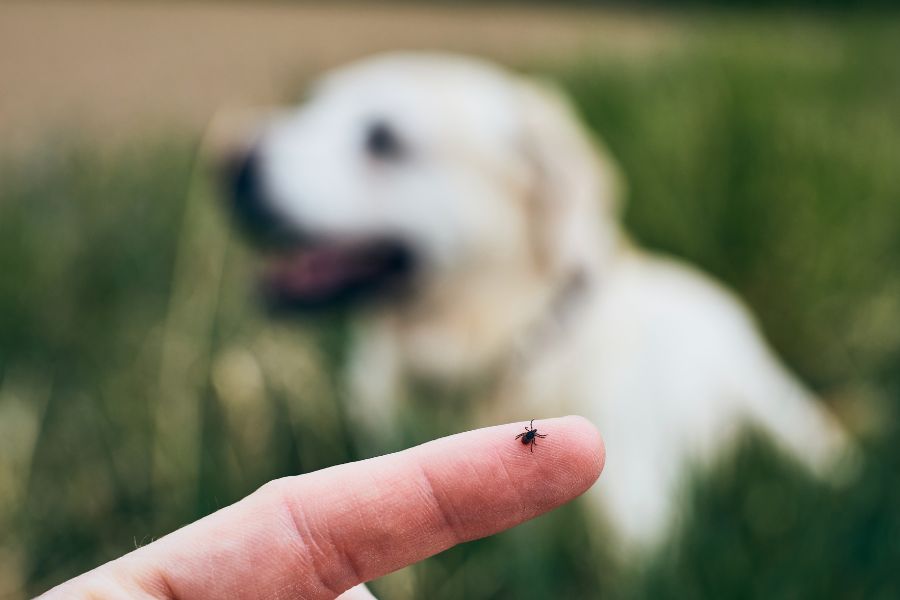
Lyme disease is more than just a seasonal concern—it’s a serious threat that can impact your dog’s long-term health. Caused by the bite of an infected black-legged tick, this illness is often silent until symptoms become severe. Fortunately, you can take proactive steps to protect your dog from this harmful disease.
As a responsible pet parent, understanding the risks and taking preventive action can make all the difference. Let’s explore how you can keep your furry friend safe and healthy.
What Is Lyme Disease in Dogs?
Lyme disease is caused by the bacterium Borrelia burgdorferi, which ticks carry and transmit when they bite your dog. Ticks are most active during warmer months, especially in grassy, wooded, or brush-covered areas.
Once infected, dogs may show signs such as:
- Fever
- Swollen joints
- Lethargy
- Loss of appetite
- Lameness (often shifting between legs)
Early detection is key, as untreated Lyme disease can lead to kidney damage, neurological issues, and chronic joint pain.
Know the Enemy: Where Ticks Thrive
Ticks thrive in tall grasses, forests, marshy areas, and even suburban parks. While no place is completely tick-free, certain environments pose a higher risk.
To protect your dog:
- Avoid walking through tall grass or dense brush.
- Stay on clear, paved paths during hikes.
- Keep your backyard well-maintained and clear of leaf litter.
Bonus Tip: Use tick control products even during colder months if you live in a warmer climate where ticks are active year-round.
Tick Prevention Starts at Home
You don’t have to wait for a tick bite to act. Prevention begins with smart habits and reliable products. Here’s how to protect your dog effectively:
- Monthly Tick Preventatives: When it comes to monthly tick preventatives, you have a few options to consider: oral medications, spot-on treatments, or tick collars.These act as a protective barrier.
- Tick Checks After Outdoor Time: Check your dog’s ears, neck, paws, armpits, and belly.
- Tick-Repellent Shampoos and Sprays: These offer extra protection, especially during hiking or travel.
If you’re living in Baltimore, then ask your Baltimore veterinarian to recommend the best tick prevention routine based on your dog’s age, weight, and health.
Lyme Disease Vaccines: Should Your Dog Get One?
Yes, Lyme disease vaccines exist, and they can be a valuable tool in your prevention strategy. Not all dogs need it, but those in high-risk areas should be considered.
Consult your vet if:
- You live near forests or tick-dense regions.
- Your dog is outdoors frequently.
- Your area has reported cases of Lyme disease.
The vaccine is usually given annually, with a booster required in the first year. It’s not a substitute for other tick control methods, but it adds an extra layer of defense.
Symptoms to Watch For
Dogs can carry Lyme disease without obvious symptoms for weeks or even months. Be vigilant and watch for subtle changes in behavior or energy levels.
Here are common signs:
- Stiffness or limping that shifts from one leg to another
- Decreased appetite
- Swollen lymph nodes
- Sensitivity to touch
- Lethargy or depression
If your dog shows any of these symptoms, consult your vet immediately for a Lyme disease test.
What Happens If Your Dog Tests Positive?
When caught early, Lyme disease is treatable with antibiotics, usually doxycycline. Treatment lasts 30 days or more, depending on the severity.
Dogs generally recover well, although some may experience lingering joint pain or flare-ups. Follow-up visits and lifestyle adjustments may be needed to support recovery.
Lyme disease can have a lasting impact on your dog’s health, but with awareness and proactive care, you can significantly reduce the risk. From using tick preventatives to checking for signs of illness, your commitment to your dog’s wellness is the strongest protection available.
Remember, prevention isn’t a one-time action—it’s an ongoing practice. Keep your dog safe, healthy, and active all year long by staying one step ahead of Lyme disease.
FAQs About Lyme Disease in Dogs
1. Can my dog get Lyme disease more than once?
A: Yes. Even after treatment, your dog can be re-infected if bitten by another infected tick.
2. Is Lyme disease something that can spread to other pets or even humans?
A: No, it’s not contagious directly. However, infected ticks can bite other animals or humans.
3. When is tick season at its peak?
A: Spring and fall are peak seasons, though ticks can remain active in mild winters.
4. Should I remove a tick myself or go to the vet?
A: You can safely remove a tick with fine-tipped tweezers. If unsure, your vet can help and check for signs of infection.
5. So, how long does a tick have to be attached before it can transmit Lyme disease?
A: Typically, the tick must be attached for 24–48 hours. Regular tick checks reduce this risk.
6. If I discover a tick on my dog, what steps should I take?
A: Remove it immediately. Clean the area with antiseptic, monitor your dog, and consult your vet if symptoms appear.